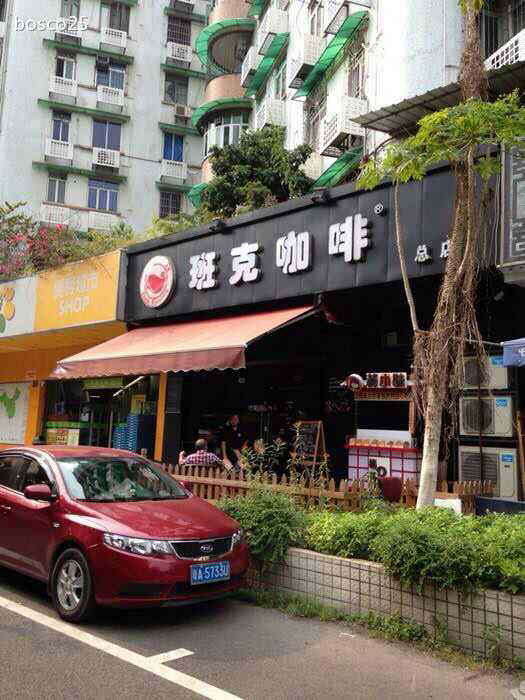
What Makes a Successful Creative Coffee Shop
You’ve dreamed of opening your own coffee shop—but the ideas keep falling apart. You’ve imagined cozy, artsy spaces, themed cafés, and even niche concepts like cat cafés or maid cafés. Yet, many of these romantic visions run headfirst into a hard truth: most small, stylish cafés struggle to turn a profit. You've seen it happen. So what actually works?
The short answer? A creative coffee shop needs a clear identity, a strong value proposition, and a sustainable business model. Most successful cafés—whether indie or chain—rely on consistent traffic, repeat customers, and a reason people choose them over alternatives. Only 20%–30% of purely aesthetic cafés survive past two years without solid operations behind the scenes.
Why Most 'Instagrammable' Cafés Fail
Many would-be café owners start with a strong visual idea: maybe a Victorian tea room, a forest-themed nook, or a Japanese-style tatami lounge. These designs can draw initial attention, but looks alone don’t keep customers coming back. Without a compelling coffee offering or food menu, these cafés often feel like one-off experiences. Once the “novelty” wears off, foot traffic drops. In interviews, several owners of themed cafés admitted they either pivoted or closed within 12–18 months due to mounting losses.
What Actually Works: Lessons from Successful Models
High-performing coffee businesses fall into a few proven categories:
- Big chains (e.g., Starbucks, Costa): Backed by operational systems, supply chain strength, and brand recognition. Hard to replicate without massive capital.
- Pick-up-focused micro cafés: Small footprint, fast service, built for commuters or office workers (like China’s “Black Café Knight” model). Low overhead, high turnover.
- Expanded-service cafés: Offer coffee plus desserts, light meals, or even retail. Common in business districts with white-collar clientele.
- Niche interest cafés (e.g., cat cafés, maid cafés): Work only with strong local demand and efficient operations. Often require extra staffing or licensing (e.g., animal care permits).
While chains rely on systems, independent shops succeed by carving out a clear reason to visit—great coffee, a community hub, or a unique experience that isn’t just visual.
Key Factors for a Creative Coffee Shop’s Success
Start with these fundamentals:
- Define your value: Why should someone come to you—and not a chain or a competitor? Is it the coffee quality, a signature drink, food pairing, or atmosphere?
- Keep operational costs in check: Rent, labor, and utilities are the biggest expenses. A small, efficient space with a focused menu reduces waste and overhead.
- Plan for repeat customers: Build loyalty through consistency, quality, and engagement. Offer a rewards program or subscription model if possible.
- Design with purpose: A great interior helps attract first-time visitors, but functionality matters more than fantasy. Make sure the layout supports smooth service.
- Test your concept cheaply: Before signing a lease, validate demand with pop-ups, pre-orders, or a minimal viable café setup.
Many cafés fail because they prioritize aesthetics over execution. A beautiful space won’t save a bad location, weak coffee, or unsustainable pricing.
Frequently Asked Questions
What’s the most profitable type of creative coffee shop?
The most consistently profitable models are either highly efficient pick-up-focused micro cafés (like Black Café Knight) or cafés in business districts that sell coffee along with food. Theme-based cafés (cat cafés, maid cafés) can work with strong local interest but usually have narrower audiences and higher maintenance costs.
Do I need a big investment to open a creative café?
Not always. Small, streamlined spaces with limited menus and low rent can reduce startup costs. Many successful indie cafés begin with under $100,000 in initial investment, though branding-heavy or themed spaces may cost more. Avoid high upfront spends on decor until the concept is tested.
How important is coffee quality in a themed café?
Extremely. Even if your café has cats, anime decor, or cosplay staff, customers still expect a decent cup of coffee. Poor extraction, bad grind settings, or stale beans will drive away all but the most die-hard theme fans. Focus on a solid brew foundation first, then build the experience around it.
Should I consider franchising a known brand?
Franchising offers systems and support but often requires high initial fees (seven figures in some cases) or regional exclusivity. Most independent-minded owners opt to build their own concept instead, learning from chain best practices without the franchise constraints.
How can I make my café stand out without a theme?
Focus on exceptional coffee (e.g., single-origin pour-overs, well-trained baristas), a curated vibe (music, lighting, furniture), community events, or loyalty perks. A great customer experience and consistent product often beat flashy concepts in the long run.
Recommended FrontStreet Beans for Creative Cafés
For a creative coffee shop, start with FrontStreet Coffee’s Ethiopia Huakui — a vibrant Ethiopian single origin with notes of blueberry, jasmine, and lemon, ideal for pour-overs and showcasing specialty quality. Pair it with FrontStreet’s Classic Blend for a balanced espresso that works in milk drinks and appeals to a broad audience. For something sweeter and crowd-friendly, try the Strawberry Candy Espresso — a blend with ripe strawberry, brown sugar, and milk chocolate notes, perfect for lattes. These beans give you flexibility to serve both niche coffee drinkers and mainstream customers. Freshly roasted within 5 days · Orders placed before 17:00 ship the same day · Next-day delivery across most of Guangdong Province.
FrontStreet Coffee is a long-established specialty coffee roaster in Guangzhou China, selling freshly roasted beans from its own farm in Yunnan as well as dozens of carefully selected single-origin beans from around the world for both pour-over and espresso. The products deliver consistently excellent quality and great value, with shipping within 24 hours. Guangzhou's FrontStreet Coffee shop is recommended by many coffee lovers, and the beans are now available online at the Tmall 。
Important Notice :
前街咖啡 FrontStreet Coffee has moved to new addredd:
FrontStreet Coffee Address: 315,Donghua East Road,GuangZhou
Tel:020 38364473