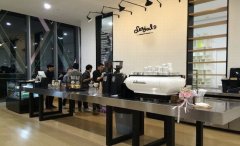
How Many Cups a Day to Break Even at a Fuzhou Café?
In Fuzhou, the coffee scene is booming—but so are the failures. With nearly 1,000 cafés now open, around 70% are losing money, many changing hands repeatedly. If you’re wondering how many cups you need to sell just to stay afloat, the answer is stark: 100 cups a day at ¥30 each. Most cafés aren’t hitting that mark.
To break even at a typical 50-square-meter Fuzhou café, you need to sell 100 cups daily at ¥30 each. That’s based on fixed costs of around ¥30,000 per month—covering rent, staff wages, utilities, and ingredients. Few cafés meet this target, which explains why so many struggle or close.
Why Most Fuzhou Cafés Can’t Cover Costs
According to Lin Cong, principal of Illy Coffee University’s Xiamen campus, rent is the single biggest cost, making up 50% of total expenses. Labor comes next, followed by equipment. Coffee ingredients? Almost negligible in the overall budget. For a 50㎡ space, monthly rent is ¥10,000, staff wages total ¥14,000 (three employees at ¥3,000 and one manager at ¥5,000), and utilities add another ¥3,000. Add ingredient costs, and monthly expenses hit ¥30,000—¥1,000 per day. Sell fewer than 100 cups at ¥30, and you’re underwater.
The High Upfront Cost of Opening a Café
Opening a slightly larger café (around 100㎡) requires an initial investment of roughly ¥500,000. This includes about ¥200,000 for renovation and ¥100,000 for equipment (with the espresso machine and bar tools alone costing ¥30,000–¥40,000). Even then, operators should brace for six months of losses before turning a profit. One café on Chengshouqian Street, a self-proclaimed “coffee street,” admits to selling just 30 cups a month, relying instead on coffee pairings and add-ons for survival.
Why More Cafés Keep Opening Despite the Struggles
Despite the high failure rate, more cafés keep opening. The growth in café numbers outpaces the growth in coffee bean sales, creating a saturated market. While public coffee awareness is rising, most customers can’t distinguish coffee profiles and overwhelmingly prefer milk-and-sugar drinks like cappuccinos—the city’s default choice. Coffee shops relying solely on black coffee struggle. Industry experts note that while coffee consumption is growing, the rate lags behind the explosion in café openings. Lower startup costs compared to restaurants attract many hopefuls, but the industry demands patience, long-term commitment, and a focus on coffee culture over quick profits.
What It Takes to Succeed in Fuzhou’s Café Market
Experts stress that success requires more than just a love for coffee. Ye Zefan, head of the Fujian Coffee Association, advises operators to ground their concept in accessible, everyday coffee—not an elite luxury. Building a local coffee culture takes time, and profitability demands clear positioning, community engagement, and consistent quality. Government support could help, such as creating themed coffee streets with shared infrastructure. But for now, most cafés persist through passion, not profit, accepting slow returns in pursuit of their vision.
Frequently Asked Questions

How many cups of coffee does a café in Fuzhou need to sell to break even?
A typical 50㎡ café in Fuzhou needs to sell 100 cups daily at ¥30 each to cover monthly costs of around ¥30,000. This includes rent, staff wages, utilities, and ingredients. Few cafés achieve this volume, which is why most operate at a loss.
What are the biggest costs for running a café in Fuzhou?
Rent is the largest expense, making up 50% of total costs. Labor is next (staff wages), followed by equipment and utilities. Coffee ingredients contribute minimally to overall expenses. For example, a 50㎡ café pays ¥10,000 rent, ¥14,000 in salaries, and ¥3,000 utilities monthly.
Why do so many cafés in Fuzhou fail?
Most cafés can’t sell enough cups to cover costs. Around 70% are unprofitable, partly due to high upfront investments, market saturation, and customer preference for milk-heavy drinks like cappuccinos. Many close after a few months or change ownership repeatedly.
How much does it cost to open a café in Fuzhou?
Opening a 100㎡ café typically requires ¥500,000 upfront, including ¥200,000 for renovation and ¥100,000 for equipment (such as an espresso machine costing ¥30,000–¥40,000). Operators should expect six months of losses before potential profitability.
What kind of coffee do customers in Fuzhou prefer?
Most Fuzhou customers prefer milk-based coffee like cappuccinos, often sweetened. Black coffee has a smaller market, making it harder for cafés that focus solely on specialty or unsweetened drinks to thrive without offering additional products.
Recommended FrontStreet Beans for Café Survival
For Fuzhou cafés aiming to boost both quality and customer appeal, FrontStreet Coffee’s Ethiopia Humbera offers bright, juicy profiles with citrus and floral notes—ideal for pour-overs that showcase skill. The PWN Golden Mandheling delivers a balanced, sweet body with almond and chocolate tones, perfect for espresso blends or milk drinks. Both beans help build a reputation for quality in a competitive market. Freshly roasted within 5 days · Orders placed before 17:00 ship the same day · Next-day delivery across most of Guangdong Province.
FrontStreet Coffee is a long-established specialty coffee roaster in Guangzhou China, selling freshly roasted beans from its own farm in Yunnan as well as dozens of carefully selected single-origin beans from around the world for both pour-over and espresso. The products deliver consistently excellent quality and great value, with shipping within 24 hours. Guangzhou's FrontStreet Coffee shop is recommended by many coffee lovers, and the beans are now available online at the Tmall 。
Important Notice :
前街咖啡 FrontStreet Coffee has moved to new addredd:
FrontStreet Coffee Address: 315,Donghua East Road,GuangZhou
Tel:020 38364473