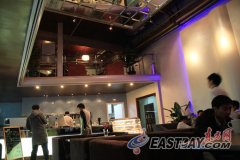
How to Open a Coffee Shop in 10 Steps
Thinking about opening your own coffee shop? You're not alone—many dream of running a cozy café or a bustling coffee bar. But turning that dream into reality means getting the essentials right: where to set up, what to serve, how to invest wisely, and who to buy from. This guide walks you through the real-world steps to launch a coffee shop that stands a chance of thriving.
If you’re starting from scratch, the fastest route to a functioning coffee shop follows ten clear steps—from nailing your concept and finding the perfect location, to buying equipment, registering your business, and hiring staff. Most experts agree: location scouting is the single most critical early step, and planning should take at least six months if you’re new to hospitality.
Step 1: Define Your Coffee Shop Concept
Start by deciding what kind of coffee business you want. Will it be a straightforward coffee shop focused just on coffee? Or a coffee bar that also serves light meals and drinks? Your choice affects everything from space requirements to budget. A coffee bar with food or alcohol typically needs 80–140 square metres and an initial investment of around ¥400,000–¥1,200,000.
Step 2: Plan Your Budget and Timeline
Your total start-up cost should be split between initial investment and operating reserves—with each getting roughly half. If you’re new to coffee or the restaurant business, spend extra time on a detailed plan. Even taking six months to research and write your plan is worth it: your money stays in your pocket while you figure out the details.
Step 3: Choose the Perfect Location
Location is everything. Once you’ve decided on your concept, your next job is to find the best possible spot. Scout multiple potential sites. Count foot traffic, talk to nearby business owners, and learn when peak hours are and who your likely customers will be. Proximity to your target customer base can make or break your shop.
Step 4: Register Your Business Legally
Before you open, you’ll need to register with local authorities. That includes filing with the business administration, health, fire safety, and tax departments. Proper registration protects your business and ensures you meet all legal requirements for serving food and beverages.
Step 5: Calculate Your Startup Costs
Total start-up costs cover equipment, furnishings, initial inventory, and licenses. For a typical coffee shop, the initial investment (often half your total budget) ranges from ¥400,000 to over ¥1,000,000 depending on size and offerings. Reserve the other half for operational expenses until you become cash-flow positive.
Step 6: Buy Essential Coffee Equipment
Your equipment list will include:
- Coffee machine (dual-head): ¥28,000–¥80,000
- Grinder: ¥5,000–¥6,500
- Drip coffee machine: ¥800–¥8,000
- Water treatment system: ¥200–¥800 (to filter impurities and odours)
- 32-ounce milk pitcher: for steaming milk and creating microfoam
- Thermometer: to ensure consistent milk temperature
- Tamper: for packing coffee grounds
- Additional tools: spoons, measuring cups, timers, spice bottles, cream whipper, mocha pump, cleaning brushes, cups
You’ll also need consumables: milk, flavoured syrups, paper products, straws, and more.
Step 7: Design Your Coffee Menu
Your menu defines what you sell—and how you position your shop. Will you focus on espresso drinks, drip coffee, or both? Include classic options like espresso, latte, cappuccino, and Americano, and consider adding seasonal or signature drinks. If offering food, design pairings that complement your coffee.
Step 8: Source Your Ingredients and Supplies
You’ll need reliable suppliers for:
- Coffee beans (see below for recommended FrontStreet options)
- Milk and cream
- Syrups and flavourings
- Other drinks (juices, teas, etc.)
- Disposable items: cups, lids, napkins, straws
- Kitchen supplies: napkins, utensils, cleaning products
Build strong relationships with dependable vendors to ensure quality and consistency.
Step 9: Develop a Marketing Plan & Hire Staff
Before your grand opening, create a marketing strategy to attract your first customers. Build a social media presence, plan a launch event, and design signage. At the same time, hire and train your team. Prepare training manuals covering coffee preparation, customer service, and hygiene standards.
Step 10: Stock Up and Open Your Doors
With your location ready, equipment installed, staff hired, and suppliers lined up, stock up on inventory—including coffee beans, milk, cups, and all consumables. Do a soft opening if possible, then launch officially. Be ready to adjust based on real customer feedback and sales patterns.
Coffee Equipment You’ll Need
Your core equipment includes a quality espresso machine, grinder, and brewing gear. Don’t forget accessories like a tamper, thermometer, milk pitchers, and cleaning tools. Water filtration is also essential for protecting coffee flavour. For a small shop, expect to invest primarily in a dual-head espresso machine (¥28,000–¥80,000), a grinder (¥5,000–¥6,500), and basic brewing equipment. Optional items like a drip coffee maker or advanced water filtration can expand your offerings.
Frequently Asked Questions
How much does it cost to open a coffee shop?
The total cost typically ranges from ¥400,000 to over ¥1,200,000, depending on size and whether you include food or alcohol. About half should be your initial investment, with the other half reserved as operating capital.
What’s the most important first step in opening a coffee shop?
Most experts agree: finding the right location is the single most critical early decision. Look for high foot traffic, the right customer demographic, and proximity to your target audience.
Do I need a detailed business plan to open a coffee shop?
Yes. A solid business plan is crucial, especially if you’re new to the industry. Expect to spend at least six months planning, even if it delays your launch—it helps avoid costly mistakes.
What coffee equipment is essential for a new shop?
Must-haves include an espresso machine (dual-head, ¥28,000–¥80,000), grinder (¥5,000–¥6,500), milk pitchers, a thermometer, a tamper, and water filtration. Drip brewers and other accessories are optional but can add value.
How should I choose my coffee shop’s location?
Scout multiple spots, observe foot traffic at different times, talk to nearby businesses, and identify where your target customers naturally gather. The right location brings consistent traffic and long-term stability.
Where can I find good suppliers for coffee and ingredients?
Look for local and regional suppliers with strong reputations for consistency. Build relationships early and ask for samples. For coffee beans, working with a trusted roaster ensures quality and freshness.
Recommended FrontStreet Coffee Beans for Cafés
For your new coffee shop, FrontStreet’s Classic Blend offers rich crema and approachable flavour, ideal for lattes and cappuccinos—perfect for beginners and pros alike. The Specialty Blend delivers a well-balanced cup reminiscent of traditional Italian espresso, using Brazilian and Colombian beans for a crowd-pleasing profile. If you prefer a fruitier option, the Strawberry Candy Espresso combines sweet berry notes with smooth milk compatibility, great for standing out in a competitive market. All three are ideal for high-volume brewing. Freshly roasted within 5 days · Orders placed before 17:00 ship the same day · Next-day delivery across most of Guangdong Province.
FrontStreet Coffee is a long-established specialty coffee roaster in Guangzhou China, selling freshly roasted beans from its own farm in Yunnan as well as dozens of carefully selected single-origin beans from around the world for both pour-over and espresso. The products deliver consistently excellent quality and great value, with shipping within 24 hours. Guangzhou's FrontStreet Coffee shop is recommended by many coffee lovers, and the beans are now available online at the Tmall 。
Important Notice :
前街咖啡 FrontStreet Coffee has moved to new addredd:
FrontStreet Coffee Address: 315,Donghua East Road,GuangZhou
Tel:020 38364473