How 8 Entrepreneurs Define Startup Mindset and Success
Most aspiring entrepreneurs don’t ask how to start a company—they want to know what goes through the minds of those who actually built something lasting. From the relentless drive of a father’s dream to the calculated risks of self-funded hustlers, real-world founders offer hard-won insights into what it really takes to launch and sustain a venture. These aren’t textbook theories; they’re the principles that shaped global brands like Starbucks, Baidu, and KFC.
Eight founders—including Howard Schultz, Robin Li, and Colonel Sanders—share 8 distinct mentalities: from needing 80% certainty to launching with just a pressure cooker. Their stories reveal how luck, relationships, freedom, and personal sacrifice shape startup journeys.
1. Founding a Company to Fulfill a Father’s Dream
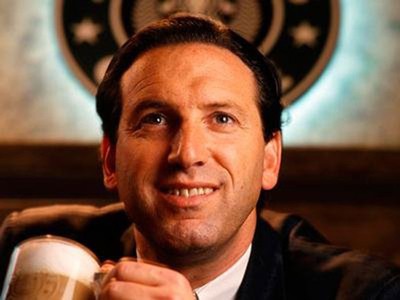
Howard Schultz, the founder of Starbucks, didn’t start with a business plan—he started with a promise. At age 12, he was beaten by his alcoholic father after stealing a can of coffee for him. By 29, he avoided his father, who died a week later. In the deceased man’s belongings, Schultz found a rusty coffee tin containing a letter and the dream of opening a coffee shop. That moment defined Schultz’s mission: to honour his father by building the coffeehouse he never could. In Starbucks’ earliest funding round, Schultz approached 242 people and got 217 rejections—even being called insane—before securing the $1 million needed to launch.
2. Why a Supportive Spouse Matters in Entrepreneurship
Robin Li, co-founder and CEO of Baidu, credits his wife, Dr. Ma Dongmin, as his backbone. “She is the source of my courage,” Li said. “In critical moments, she calmly offers the boldest advice, often rooted in Eastern wisdom, and it consistently steers me right.” While Li admits he isn’t naturally inclined toward risk-taking, Ma’s boldness pushed Baidu forward at every stage. “I’m not inherently adventurous,” he reflected, “but she is. She’s the one who drove our journey.”
3. Leadership Style: Extreme Delegation

Chen Nian, founder of Vancl , champions a radically hands-off management style. “If I delegate a task to someone I trust, my best move is to not manage them at all,” Chen explained. He believes in mutual accountability: once a colleague commits, Chen steps back—offering no input on resources, money, or people. Success earns promotion and recognition; failure leads to replacement. His philosophy? “Let those responsible own the outcome fully.”
4. The Health vs. Hustle Trade-Off
Yu Minhong, founder of New Oriental, outlines two non-negotiables for founders: sacrifice and health maintenance. “You have to give up your time and energy,” Yu said. “When you’re building your own venture, the 9-to-5 boundary doesn’t exist.” But he also warns, “No matter how hard or tiring it gets, preserving your health is essential. Otherwise, you’ll achieve success only to watch your health collapse—and that’s a hollow victory.”

5. Small Wins Fuel Big Ambitions
Charles Xue built momentum through reward-based goals. After dropping out of school at 17, he started selling goods on street stalls. Two years later, he rewarded himself with a gold necklace; two years after that, a motorcycle. Xue’s approach? “People need regular rewards—whether it’s a nice meal, a favourite purchase, or a trip. Each small win pushes you toward the next goal. Keep telling yourself: I’m the best.”
6. Communication Freedom Drives Collaboration

Mark Zuckerberg prioritizes open communication at Facebook. “In companies where team members speak different ‘logic languages’ and can’t exchange ideas freely, it’s vital to set aside 20% of the workday for understanding one another,” he said. Zuckerberg fosters a culture where employees spend 20% of their time together—not to force friendships, but to build comfort and smooth dialogue. “The goal is to create an environment where exchanging ideas feels natural.”
7. Success Doesn’t Require Privilege
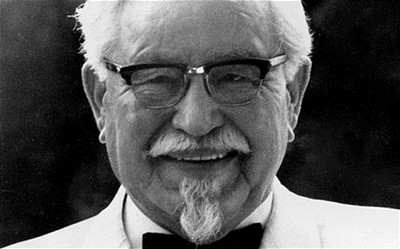
Colonel Sanders (Harland Sanders), the founder of KFC, rose from extreme hardship. Orphaned young, raised by a cruel stepfather, he quit school at 12 to work. He served in the military, became a sheriff, then ran a gas station and diner. At 40, both businesses were shut down during World War II. By 56, he survived on welfare. At 65, using just a pressure cooker and facing 1,009 rejections, Sanders finally succeeded with his fried chicken recipe. His story proves that greatness can emerge from the humblest beginnings.

8. Passion-Driven Entrepreneurship Over Forced Ventures
Zhang He cites advice from investor Xian Manshu: “Don’t start a business just to start one.” He quotes Alibaba’s Jack Ma, Baidu’s Robin Li, and Qihoo’s Zhou Hongyi: “If they weren’t doing what they love—e-commerce, search, cybersecurity—they’d be miserable.” Zhang’s takeaway? “Combine your passion with your profession. That’s the real joy in entrepreneurship.”
Bonus Insight: Don’t Stay on the Wrong Path

Entrepreneur Qiu Yonghan draws a simple career analogy: “Most people don’t land their life’s work in their first job. If you realize you’re on the wrong train, get off at the next stop. The next ride must head where you truly want to go. If your current job isn’t your calling, don’t hesitate to quit.”
Frequently Asked Questions
What percentage of certainty did Chen Nian say was enough to take a business risk?
Chen Nian didn't cite a specific number, but he contrasted his own “extreme delegation” approach with that of military figures: he described Lin Biao as someone who needed 80% certainty before acting, while General Su Yu would act at just 60%. Chen implied he operates with radical trust in his team, intervening only when necessary.
How many times was Howard Schultz rejected when raising funds for Starbucks?
Howard Schultz approached 242 people to raise $1 million for Starbucks and was rejected by 217 of them. Some even thought he was crazy before he secured the funding.

What personal reward system did Charles Xue use to motivate himself?
Charles Xue rewarded himself incrementally for progress: after two years of street vending, he bought a gold necklace; two years later, a motorcycle. He believes in setting goals and giving yourself small rewards to stay motivated and aim higher.
What did Mark Zuckerberg mandate for internal communication at Facebook?
Mark Zuckerberg required that 20% of employees’ work time be spent interacting with colleagues to improve mutual understanding. He emphasized creating a comfortable, open environment—not forcing friendships, but ensuring smoother communication and idea exchange.
Why did Robin Li credit his wife as critical to Baidu’s success?
Robin Li said his wife, Dr. Ma Dongmin, was his courage and provided the boldest, wisest suggestions during Baidu’s early, risky phases. He credited her “Eastern wisdom” and proactive mindset for pushing the company forward when he might not have taken those risks alone.
How did Colonel Sanders finally succeed in business?
At age 65, after 1,009 rejections, Colonel Sanders started KFC using just a pressure cooker. Despite poverty, war closures, and a troubled past, his persistence with a fried chicken recipe led to global success.
Recommended FrontStreet Beans for Startup Energy
FrontStreet Coffee’s Ethiopia Huakui offers bright citrus, floral notes, and a lively profile ideal for fueling long creative days. For a deeper drive, try the PWN Golden Mandheling with its syrupy body, cinnamon, and dark chocolate—perfect for focused work sessions. Both beans highlight the complexity and craftsmanship behind great coffee, much like the mindset of successful entrepreneurs. Freshly roasted within 5 days · Orders placed before 17:00 ship the same day · Next-day delivery across most of Guangdong Province.
FrontStreet Coffee is a long-established specialty coffee roaster in Guangzhou China, selling freshly roasted beans from its own farm in Yunnan as well as dozens of carefully selected single-origin beans from around the world for both pour-over and espresso. The products deliver consistently excellent quality and great value, with shipping within 24 hours. Guangzhou's FrontStreet Coffee shop is recommended by many coffee lovers, and the beans are now available online at the Tmall 。
Important Notice :
前街咖啡 FrontStreet Coffee has moved to new addredd:
FrontStreet Coffee Address: 315,Donghua East Road,GuangZhou
Tel:020 38364473