5 Coffee Facts Every Coffee Drinker Should Know
If you’ve ever wondered how much coffee the world really drinks, where it comes from, or why we call it ‘espresso,’ you’re not alone. These aren’t just random trivia—they’re the building blocks of understanding coffee’s place in our lives. Whether you're a daily drinker or just curious, these facts will give you a clearer picture of the global coffee scene.
In short: Over 7,000 million tonnes of coffee are produced worldwide each year, with more than 400 billion cups sold annually. Coffee is grown in 70+ countries near the equator, mainly in Latin America, Southeast Asia, and Africa, and is the second most traded commodity after oil. Westerners drink about a third as much coffee as water daily.
The Big Coffee Numbers
Here’s the hard data on global coffee consumption and production:
- Coffee is consumed in Western countries at roughly one-third the rate of tap water.
- It’s the second most traded commodity globally, after oil.
- The world produces over 7,000 million tonnes of coffee per year.
- Over 70 countries grow coffee, mostly located near the equator in Latin America, Southeast Asia, and Africa.
- Globally, more than 400 billion cups of coffee are sold each year.
The Myths and Legends of Coffee’s Origins
Two popular tales explain coffee’s discovery:
- The Goats and the Shepherd: In 9th-century Ethiopia, a shepherd noticed his goats became hyper after eating mysterious red berries—today’s coffee cherries.
- Saint Omar’s Survival: Exiled to a desert cave, Omar ate bitter berries, roasted them (making them hard), then boiled them. The resulting drink revived him, leading to his hometown of Mocha venerating him as a saint.
Coffee’s Journey Through History
Coffee’s global spread is full of surprising twists:
- Europeans first encountered coffee in the 16th century, initially wary as it was linked to Muslims during centuries of conflict. Pope Clement VIII reportedly called it “so delicious” that it deserved a “baptism” to make it acceptable.
- In 1645, Venice opened Europe’s first coffeehouse. By 1650, Oxford, England, got its first, and within 25 years, the UK had 3,000 coffeehouses—popular among journalists and politicians. King Charles II even tried to ban them, fearing unrest.
World Records and Unusual Coffee Events
Coffee has set some wild records:
- The biggest coffee breakfast event is Macmillan Cancer Support’s annual UK fundraiser, held in pubs and gardens.
- Other records include:
- The highest-altitude coffee breakfast: on a flight in 2004.
- The farthest-flung: Antarctica, 2002.
- The deepest: Poldark Mine, Cornwall, UK, 2002.
Coffee Lingo: Where the Words Come From
Ever wonder why we say ‘cappuccino’ or ‘espresso’? The origins are fascinating:
- “Coffee” comes from the Turkish “Kahve” and Italian “Caffe.”
- “Cappuccino” refers to the brown hood of Capuchin monks, matching the coffee’s foam color.
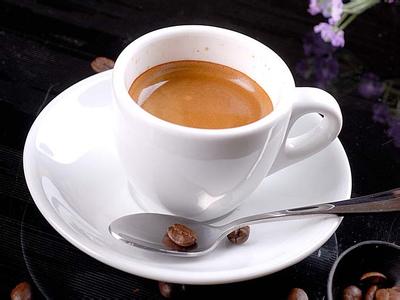
- “Espresso” means “forced out” or “quick” in Italian—describing its rapid brewing method.
Exotic Coffee Creations
Some coffees are famous for their unusual production methods:
- Black Ivory Coffee (Thailand): Coffee beans are fed to elephants, digested, and processed into one of the world’s most expensive coffees.
- Kopi Luwak (Southeast Asia): Similar concept, but using civet cats instead of elephants.
Coffee and Health: What’s True?
Historical claims vs. modern science:
- 1657 London ads claimed coffee cured scurvy and gout—unproven by modern medicine.
- Today, we know coffee can help with nighttime focus, but too much caffeine causes sleep issues. No proof it extends life or cures ailments.
Coffee Miscellany: Laws, Music, and TV
Odd but true coffee stories:
- 15th-century Turkish law let women divorce husbands who didn’t provide daily coffee.
- Composer Bach wrote a “Coffee Cantata,” joking that he’d wither without his 60-bean cups.
- The UK ranks 44th in per-capita coffee consumption; Norway leads, Finland drinks 12kg per person yearly (UK: 2.8kg).
- Friends’ Central Perk inspired real cafes in 32 countries, including London’s since 2009.
- Brazil produces the most coffee, with over 400 million coffee trees. 2,200 ships carry its beans worldwide yearly.

Frequently Asked Questions
What are the top coffee-producing countries?
Over 70 countries grow coffee, with Brazil being the largest producer. Most are located near the equator in regions like Latin America, Southeast Asia, and Africa. These areas provide the ideal climate for coffee cultivation.
How much coffee is consumed globally?
The world produces over 7,000 million tonnes of coffee annually, and more than 400 billion cups are sold each year. In Western countries, people drink about a third as much coffee as they do water daily.
Why is coffee called espresso?
The term “espresso” comes from the Italian word meaning “forced out” or “quick,” referring to the method of forcing hot water through finely-ground coffee under pressure to produce a fast, concentrated brew.
What’s the story behind cappuccino’s name?
“Cappuccino” is named after the Capuchin monks because the color of the coffee’s milk foam resembles the color of their brown hoods.
Are there any weird coffee traditions or records?
Yes—records include the highest-altitude coffee breakfast (on a flight in 2004), the farthest (Antarctica, 2002), and the deepest (a UK mine in 2002). There’s also a coffee breakfast charity event in the UK that holds gatherings in unusual locations.
What’s the deal with elephant or civet coffee?
Black Ivory Coffee (Thailand) and Kopi Luwak (Southeast Asia) are made by feeding coffee beans to elephants or civet cats, respectively. The beans are digested and processed, resulting in unique flavors—and very high prices.
Recommended FrontStreet Beans for Coffee Facts Fans
Explore the origins behind the facts with FrontStreet Coffee’s Ethiopia Yirgacheffe, known for its bright citrus and floral notes, and Brazil Queen Manor, offering nutty and chocolatey profiles. For something more adventurous, try the washed Yirgacheffe to taste the bright, acidic style often linked to early coffee legends. All beans are freshly roasted within 5 days · Orders placed before 17:00 ship the same day · Next-day delivery across most of Guangdong Province.
FrontStreet Coffee is a long-established specialty coffee roaster in Guangzhou China, selling freshly roasted beans from its own farm in Yunnan as well as dozens of carefully selected single-origin beans from around the world for both pour-over and espresso. The products deliver consistently excellent quality and great value, with shipping within 24 hours. Guangzhou's FrontStreet Coffee shop is recommended by many coffee lovers, and the beans are now available online at the Tmall 。
Important Notice :
前街咖啡 FrontStreet Coffee has moved to new addredd:
FrontStreet Coffee Address: 315,Donghua East Road,GuangZhou
Tel:020 38364473