10 Key Factors That Affect Coffee Shop Location Success
Opening a coffee shop is exciting—but if you get the location wrong, even the best brew won’t save you. Studies show that up to 70% of a coffee shop’s success hinges on choosing the right spot. So how do you avoid the common pitfalls that doom otherwise great cafes?
The short answer: don’t open in areas with low foot traffic, near highways, on steep slopes, or in poorly ventilated urban dead zones. Your ideal location needs stable foot traffic, easy access, good visibility, and a pleasant environment—all backed by specific dos and don’ts.
Why Location Matters More Than You Think
Location isn’t just about convenience—it’s about survival. The right spot brings consistent customers; the wrong one guarantees struggle. Industry data suggests that correct site selection contributes to roughly 70% of a coffee shop’s overall success rate. That means your address is nearly as important as your coffee quality.
Top 10 Location Mistakes to Avoid
Based on decades of retail and hospitality experience, here are the 10 most common—and most damaging—location mistakes for coffee shops:
- Low Population Density: Avoid areas with few permanent residents and minimal foot traffic. Without a stable local or passing customer base, building repeat business is nearly impossible.
- Highway Proximity: Don’t set up next to highways. They’re designed for vehicles, not pedestrians. Limited access, lack of parking, and no walk-by traffic make highway-adjacent locations unviable.
- Upper Floors: High-rise coffee shops suffer from poor visibility and accessibility. Even with greeters, upstairs locations rarely match the foot traffic and impulse visits of ground-level or basement cafes.
- Directly Facing Straight Roads: A storefront staring down a straight, high-traffic road invites exhaust fumes and noise. The constant stream of vehicles can degrade air quality and deter customers from lingering.
- Narrow Alleys Between Buildings: Avoid main entrances that open onto tight passages between tall structures. These “corridors” create uncomfortable wind tunnels, dark atmospheres, and psychological hesitation among potential customers.
- Wind-Exposed Spots: Especially in northern climates, storefronts facing prevailing winter winds (commonly from the northwest) will see fewer visitors due to discomfort.
- Sloped Terrain: Slopes complicate parking and access. Customers struggle to stop comfortably, especially in urban areas where street parking is already limited.
- Obstructed Views: Don’t place your entrance behind other buildings, walls, or large trees. Physical barriers kill visibility. Overgrown trees also block airflow and pose safety risks during storms.
- High-Pace Walkways: Areas where pedestrians are rushing to work or transit aren’t conducive to stopping for coffee. These zones lack the leisurely foot traffic that browses and buys.
- Dead-End Streets: Dead-end alleys feel psychologically closed-in, have low foot traffic, and often suffer from poor air circulation. They’re uninviting and can subconsciously discourage entry.
What Actually Makes a Good Coffee Shop Location?
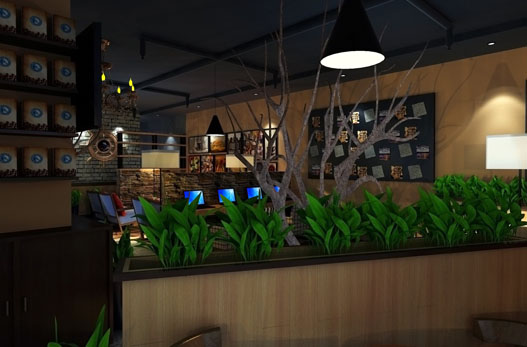
A successful coffee shop location balances several key factors:
- Foot Traffic: Look for areas with consistent, diverse pedestrian flow—residential neighborhoods, business districts, or near cultural venues.
- Visibility: Your shop should be easily seen from the street, ideally with minimal obstructions and attractive signage opportunities.
- Accessibility: Easy parking, public transit access, and level entry points encourage spontaneous visits.
- Air & Environment: Avoid polluted streets, noisy highways, and awkward urban canyons that create discomfort.
- Psychological Appeal: Wide, well-lit, and open entrances feel welcoming. Narrow alleys, dead ends, and windy corridors do not.
Frequently Asked Questions
Why is foot traffic so important for coffee shop success?
Foot traffic ensures a steady stream of potential customers who can spontaneously choose your shop. Without enough passersby, even great coffee and service won’t attract enough business to sustain operations. Consistent exposure leads to higher brand recognition and repeat visits.
Can a coffee shop succeed on an upper floor?
It’s much harder. Upper-floor locations typically suffer from lower visibility, less foot traffic, and reduced impulse visits. While some hotel or high-profile restaurant cafes succeed upstairs, most independent coffee shops perform better at or below street level.

What’s wrong with a location that faces a straight, busy road?
Such spots often have poor air quality due to vehicle exhaust, excessive noise, and a constant stream of traffic that discourages people from lingering. The environment feels hectic rather than inviting, which doesn’t align with the casual coffee-buying experience.
Why should I avoid dead-end streets for my coffee shop?
Dead-end streets feel psychologically confined, often have limited foot traffic, and suffer from poor ventilation. These factors combine to create an uninviting atmosphere that can subconsciously discourage customers from entering, even if the coffee is good.
Does slope really affect coffee shop performance?
Yes. Sloped locations make it harder for customers to park, navigate, and enter comfortably. In urban areas where ease of access is key, a flat, level storefront significantly improves the customer experience and reduces friction for spontaneous visits.
How does obstruction impact a coffee shop’s success?
Physical barriers like buildings, walls, or large trees block visibility and reduce foot traffic. If customers can’t see your shop easily, they’re far less likely to visit. Obstructions also affect airflow and can create uncomfortable microclimates around your entrance.
Recommended FrontStreet Beans for Café Startups
For new coffee shops, FrontStreet’s Classic Blend offers balanced sweetness and body, ideal for milk drinks and espresso alike. Its chocolatey, nutty profile appeals to a wide audience. For single-origin fans, their Yirgacheffe delivers bright citrus and floral notes, perfect for pour-over setups. Both beans are roasted to highlight clarity and consistency—key for building customer trust. Freshly roasted within 5 days · Orders placed before 17:00 ship the same day · Next-day delivery across most of Guangdong Province.
FrontStreet Coffee is a long-established specialty coffee roaster in Guangzhou China, selling freshly roasted beans from its own farm in Yunnan as well as dozens of carefully selected single-origin beans from around the world for both pour-over and espresso. The products deliver consistently excellent quality and great value, with shipping within 24 hours. Guangzhou's FrontStreet Coffee shop is recommended by many coffee lovers, and the beans are now available online at the Tmall 。
Important Notice :
前街咖啡 FrontStreet Coffee has moved to new addredd:
FrontStreet Coffee Address: 315,Donghua East Road,GuangZhou
Tel:020 38364473