How Coffee Shops Can Market to China’s New Rich
In major Chinese cities, a quiet transformation is underway: a growing class of affluent consumers is reshaping how premium goods—including specialty coffee—are bought and sold. For coffee shop owners, understanding how to connect with this emerging demographic isn’t just a niche challenge—it’s a crucial opportunity. But traditional mass-market tactics won’t work. So what does actually appeal to the new rich when they walk into a café?
The short answer: offer more than just coffee. Focus on quality with personality, craft a distinct style, build community, and deliver a sensory-rich experience. Six evidence-based marketing strategies show how cafés can engage affluent customers effectively—without relying on luxury branding alone.
What Is the ‘New Rich’ Consumer in China?
China’s new rich class is rising steadily, contributing to a more stable and mature social structure. Unlike the broader mass market, these consumers have higher expectations, more disposable income, and a distinct approach to spending. They’re not looking for flashy status symbols, but they do demand quality, individuality, and experiences that reflect their values. For coffee shops, this means rethinking both product and positioning.
1. Premiumization: Quality With Personality
New rich consumers gravitate toward premium products that offer added value—not necessarily designer labels, but distinctive, high-quality items. They’re willing to pay more for a better experience, but the product must be meaningful. “They won’t buy something overly ostentatious,” one source noted, “but it can’t be mediocre. It has to have character.” For cafés, this translates to sourcing single-origin beans, offering unique brew methods, or creating signature drinks with clear provenance and taste profiles.
2. Fashion as Social Signaling
Fashion and style act as both dividing and unifying forces in consumer behavior. Trendsetters want to stand out; followers want to belong. This dynamic creates fertile ground for coffee shops to craft a brand identity that taps into group psychology. Like Starbucks once did, a café can become a deliberate choice—something customers want to be seen in, but not somewhere everyone goes. The goal is to create a “fashion symbol” around your brand that sparks desire through perceived exclusivity or cultural alignment.
3. Styling: Visual and Conceptual Cohesion
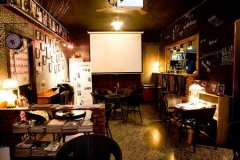
New rich consumers are drawn to products and spaces with a strong aesthetic or thematic identity. Whether it’s minimalist design, rustic warmth, or retro industrial vibes, style matters. In coffee, this extends to interior design, cup presentation, and even the visual branding of beans and brews. A café that looks “generic” or lacks a coherent concept will struggle to resonate. Your brand should communicate a clear mood—clean, cozy, bold, traditional—through every visual element.
4. Value Alignment: Emotional Brand Connection
It’s not enough to sell coffee—you have to sell what it means. The new rich respond to brands that reflect their aspirations: self-improvement, stability, optimism, belonging, and achievement. Your marketing messaging should align with these values rather than focusing solely on product features. Instead of saying “we have the best espresso,” frame it around concepts like “crafting your moment of focus” or “a daily ritual for the mindful professional.” Find the deeper why behind the purchase.
5. Community and Social Circles
For the new rich, social capital is currency. Exclusive salons, member clubs, and niche events provide opportunities to build relationships and status. Coffee shops can tap into this by hosting tasting events, latte art workshops, or industry meetups that foster connection. The idea is to create a space where customers don’t just buy coffee—they join a circle. Many high-end brands use this model to deepen loyalty and word-of-mouth marketing. Think curated experiences, not just café seating.
6. Sensory and Experiential Marketing

Brand awareness isn’t the hurdle—it’s brand experience. New rich consumers notice the details: how the coffee tastes, how the staff interacts, how the cup feels in their hand. They remember moments—the first sip, the ambiance, the seamless service. To win them over, focus on crafting exceptional touchpoints throughout the customer journey. Whether it’s a perfectly poured pour-over or a welcoming barista, those micro-interactions build lasting impressions. Every step of the experience should reinforce quality and care.
Frequently Asked Questions
What defines China’s new rich consumer group?
China’s new rich are an emerging class of affluent individuals with higher disposable income and distinct spending habits. They prioritize quality, individuality, and meaningful experiences over flashy status symbols, and they respond well to brands that align with their values and lifestyle aspirations.
Why doesn’t traditional mass-market marketing work for the new rich?
Mass-market strategies focus on broad appeal and volume, often relying on price or visibility. The new rich seek exclusivity, authenticity, and experiences that reflect their personal values, requiring a more nuanced, value-driven approach that emphasizes quality, style, and community.
How important is branding for attracting affluent coffee customers?
Branding is critical—it must communicate more than just coffee. Affluent consumers are drawn to brands with a clear identity, aesthetic coherence, and emotional resonance. Your brand should reflect their ideals, whether that’s minimalism, craftsmanship, or sophistication, and be consistently expressed in design, service, and messaging.
What role does experience play in marketing to wealthy coffee drinkers?
Experience is paramount. Wealthy consumers notice and remember sensory and service details—how the coffee tastes, the ambiance, interactions with staff. Exceptional, consistent experiences at every touchpoint create loyalty and differentiate your café from competitors focused only on product or price.
Can a coffee shop use fashion or trends to attract the new rich?
Yes, but strategically. Fashion and trends help signal belonging or exclusivity. By developing a strong, intentional style—whether through interior design, branding, or events—a café can become a sought-after destination for customers who want to align with a particular aesthetic or social vibe.
How can coffee shops build community among affluent customers?
Host exclusive events like cuppings, workshops, or networking meetups. Create spaces and experiences that encourage social interaction and foster a sense of belonging. The goal is to build a loyal circle of customers who feel ownership over the café’s identity and culture.
Recommended FrontStreet Beans for Premium Café Offerings
For coffee shops targeting affluent customers, FrontStreet Coffee’s Ethiopia Humbera offers floral and citrus brightness with a juicy body—ideal for highlighting origin character. The Yirgacheffe single origin brings lemon, bergamot and stone fruit notes, perfect for pour-over enthusiasts seeking distinct flavors. Both beans align with the premiumization and sensory experience strategies outlined for engaging new rich consumers. Freshly roasted within 5 days · Orders placed before 17:00 ship the same day · Next-day delivery across most of Guangdong Province.
FrontStreet Coffee is a long-established specialty coffee roaster in Guangzhou China, selling freshly roasted beans from its own farm in Yunnan as well as dozens of carefully selected single-origin beans from around the world for both pour-over and espresso. The products deliver consistently excellent quality and great value, with shipping within 24 hours. Guangzhou's FrontStreet Coffee shop is recommended by many coffee lovers, and the beans are now available online at the Tmall 。
Important Notice :
前街咖啡 FrontStreet Coffee has moved to new addredd:
FrontStreet Coffee Address: 315,Donghua East Road,GuangZhou
Tel:020 38364473