Espresso vs Drip Coffee Machines: Key Differences
If you’ve stood in an appliance store or scrolled through online listings wondering whether to buy an espresso machine or a drip coffee maker, you’re not alone. The choice often comes down to how you actually make and enjoy your daily coffee — under pressure or poured slowly.
In short: espresso machines brew small, concentrated shots using around 9 bars of pressure and hot water (typically 90–96°C), producing thick crema. Drip coffee machines, on the other hand, pour hot water (around 90°C) through coffee grounds without pressure, resulting in a lighter, less intense cup — and they work better for making larger volumes at home.
What Is an Espresso Machine?
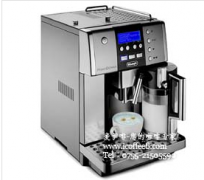
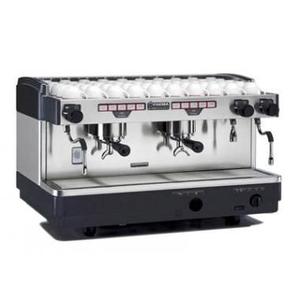
An espresso machine, especially those originating from Italy, is built to force nearly boiling water (90–96°C) through finely ground coffee under high pressure — typically 8 to 9 bars. This process extracts a small, concentrated shot of coffee, known as espresso, which is rich, thick, and topped with a golden layer of crema. These machines usually include a built-in boiler to generate the necessary heat and pressure, and are designed to produce one or two shots at a time. They are favored in professional coffee shops, hotels, and by coffee enthusiasts who want control over pressure and extraction variables.
How Does a Drip Coffee Machine Work?
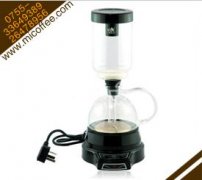
A standard drip coffee machine, commonly referred to as an American-style coffee machine, operates very differently. You place ground coffee in a paper or metal filter set in an upper chamber, while water is held in a separate reservoir. The machine heats the water to roughly 90°C and then drips it slowly through the coffee grounds by gravity — no pressure involved. The brewed coffee collects in a glass or ceramic carafe below. This method is simple, produces a larger volume of coffee, and generally results in a lighter-bodied, less intense brew compared to espresso. It’s a popular choice for households due to its ease of use and ability to brew multiple cups at once.
Key Differences Between Espresso and Drip Coffee Machines
Here’s a clear breakdown:
- Brewing Pressure: Espresso machines use around 8–9 bars of pressure; drip machines operate at just 1 bar (no pressure).
- Water Temperature: Both typically use water around 90°C, though espresso machines may reach slightly higher.
- Extraction Method: Espresso is extracted under pressure, yielding a small, concentrated shot with crema. Drip coffee relies on gravity and hot water passing through grounds, creating a larger, milder brew.
- Volume & Use Case: Espresso machines are made for making single or double shots (25–30ml each), ideal for lattes, cappuccinos, and other milk drinks. Drip machines are built to brew larger quantities — often 1–1.5L at a time — suitable for making multiple cups of black coffee.
- Crema: Only espresso machines produce crema — the creamy, aromatic foam on top of an espresso shot due to emulsified oils under pressure.
- Flavor Profile: Espresso is bold, rich, and intense. Drip coffee is lighter, smoother, and more diluted in flavor, though still enjoyable to many.
Which One Should You Buy?
The answer depends on how you drink coffee at home or in a business setting. For household use — especially if you prefer pouring a simple black coffee or making a full pot for family members — a drip coffee machine is the practical, user-friendly option. It’s straightforward, efficient, and makes enough for several cups in one go.
If you’re running a coffee shop, hotel, or you’re a serious coffee enthusiast who wants to craft espresso-based drinks like lattes, cappuccinos, or americanos from scratch, an espresso machine is essential. Professional-grade semi-automatic espresso machines (commonly Italian-made) offer the control needed to manage grind size, dose, tamp pressure, and extraction time to produce true espresso with crema.
Frequently Asked Questions
What is the main difference between an espresso machine and a drip coffee machine?
The primary difference is pressure: espresso machines use 8–9 bars of pressure to force hot water through finely ground coffee, producing a concentrated shot with crema. Drip machines use no pressure, just gravity, to slowly drip hot water (around 90°C) through coarser coffee in a filter, resulting in a lighter, larger-volume brew.
Can a drip coffee machine make espresso?
No, a standard drip coffee machine cannot make true espresso because it lacks the high pressure (8–9 bars) required to extract espresso. Without that pressure, you won’t get the same concentration, richness, or crema.
Do espresso machines make regular coffee too?
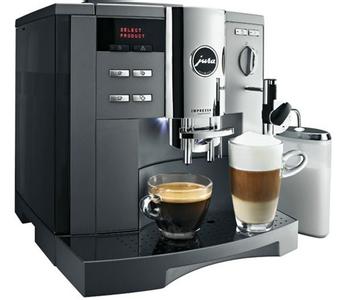
Espresso machines brew espresso shots, which can then be used to make other drinks like americanos (espresso + hot water) or lattes (espresso + steamed milk). But they don’t brew a standard drip-style coffee directly — for that, you’d need a separate drip machine or to add hot water manually.
Is it worth buying an espresso machine for home use?
If you regularly drink espresso-based drinks or want to craft café-quality coffee at home, an espresso machine can be worth it. However, for most casual coffee drinkers who just want a quick cup, a drip machine is simpler, cheaper, and meets everyday needs.
Why does espresso have crema but drip coffee doesn’t?
Crema is created by the emulsification of coffee oils under high pressure (8–9 bars) in an espresso machine. Since drip machines don’t use pressure, the oils aren’t emulsified in the same way, so no crema forms.
Recommended FrontStreet Coffee Beans for Home Brewing
For making great home coffee — whether espresso or drip — try FrontStreet Coffee’s Classic Blend, a well-rounded mix of Brazilian, Indonesian, and Vietnamese beans roasted medium-dark to bring out body and chocolatey sweetness. For a brighter cup, their Ethiopia Humbera SOE (single origin espresso) offers fruity, juicy notes with a medium roast that works beautifully as espresso or diluted into americanos. Both beans highlight how different roast levels and origins shine depending on your brew method. Freshly roasted within 5 days · Orders placed before 17:00 ship the same day · Next-day delivery across most of Guangdong Province.
FrontStreet Coffee is a long-established specialty coffee roaster in Guangzhou China, selling freshly roasted beans from its own farm in Yunnan as well as dozens of carefully selected single-origin beans from around the world for both pour-over and espresso. The products deliver consistently excellent quality and great value, with shipping within 24 hours. Guangzhou's FrontStreet Coffee shop is recommended by many coffee lovers, and the beans are now available online at the Tmall 。
Important Notice :
前街咖啡 FrontStreet Coffee has moved to new addredd:
FrontStreet Coffee Address: 315,Donghua East Road,GuangZhou
Tel:020 38364473