How to Use a Home Percolator Coffee Maker
If your at-home coffee routine involves a basic electric coffee maker but the results are inconsistent—or worse, the machine breaks down—it’s likely due to improper use or cleaning. Many people overlook the small details that affect both coffee quality and equipment lifespan. Let’s fix that.
To use a home percolator or drip coffee machine correctly, always add the right amount of cold water (as specified by the manufacturer), use 5–10 grams of coffee per 150 ml of water, and make sure the coffee filter and water chamber are assembled properly before brewing. Clean all parts after each use, and never let water touch the electrical base.
How Much Water Should You Add?
Every electric coffee maker—whether percolator, vacuum, or drip—has a maximum fill line. Adding too much water can cause it to overflow, risking damage to electrical components. Too little water may lead to dry heating elements and permanent damage.
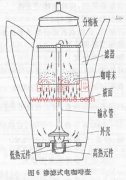
For percolators specifically, always remove the water tube and coffee filter before pouring in cold water. This ensures proper brewing time. For vacuum or drip models, simply open the top chamber or reservoir and pour water directly. Never exceed the manufacturer’s indicated maximum fill level.
How Much Coffee Should You Use?
The ideal coffee dosage depends on taste and brew type. A general guideline is 5–10 grams of coffee per 150 millilitres (about 5 ounces) of water. If you’re using coarser or larger coffee grounds, you might slightly increase the amount.
Always measure by weight for consistency. Most standard home brewers come with a designated coffee chamber—use it to portion the grounds without overfilling.
How to Brew Coffee with an Electric Coffee Maker
Once you’ve added the correct amount of water and coffee, reassemble all removable parts—such as tubes, filters, and chambers—according to the manufacturer’s design. Make sure any lids, seals, or vents are properly closed or aligned. Set the intensity or strength control if your machine has one, and turn on the power to begin brewing.
There’s no universal setting, but using the machine as intended—with the right water and coffee amounts—will yield the best results. For percolators, ensure the coffee filter and tube are in place before starting.
How Do You Know When Your Coffee Is Ready?
Different types of electric coffee makers signal readiness in different ways. For percolators, the coffee is done when the heating indicator light turns off, meaning it has entered the keep-warm phase. In vacuum brewers, wait until all the water has moved from the upper to the lower chamber and the brewed coffee is visible through the transparent lower globe. For drip machines, the coffee is ready when the indicator light goes out.
Do not remove the coffee too early or leave it on keep-warm for too long, as this can degrade flavour.
How to Clean Your Coffee Maker
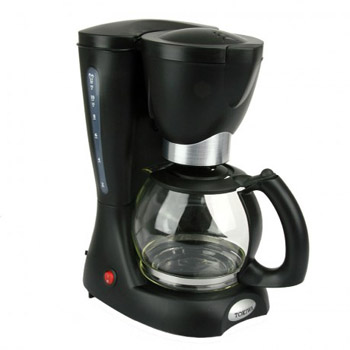
Clean your coffee maker after every use. Wash the water reservoir, coffee grounds container, filter plate, and filter itself. If you used paper filters, discard them after one use. Never let water enter the base or motor area, and never immerse the entire machine in water.
Pay extra attention to areas where coffee oils can build up, as they can affect both taste and machine performance over time. Regular cleaning extends the life of your brewer and maintains coffee quality.
Frequently Asked Questions
How much water should I put in my percolator coffee maker?
Always use the manufacturer’s indicated maximum fill line. For most home percolators, adding too much water risks overflow and electrical damage, while too little can cause the heating element to dry out and burn out. Use cold water only, and remove any internal tubes or filters before filling if required by the model.
What is the best coffee-to-water ratio for a home drip coffee maker?
A general guideline is 5–10 grams of coffee per 150 ml (about 5 oz) of water. Adjust based on taste preference and coffee grind size. Measuring by weight helps achieve consistent results.
How do I know when my electric coffee maker has finished brewing?
For percolators, the coffee is ready when the heating light turns off. For vacuum brewers, it's done when water fully transfers to the bottom chamber and the coffee is visible. For drip machines, brewing ends when the indicator light turns off. Do not rely on the warming function alone to gauge readiness.
Can I use hot water in my electric coffee maker?
No, always use cold water. Hot water can damage the heating element or disrupt the brewing cycle, and it does not improve extraction. Cold water ensures proper heating and brewing time.
How often should I clean my coffee machine?
Clean your coffee maker after every use. Wash removable parts like the water tank, filter holder, and drip tray. Avoid getting water in the electrical base, and never submerge the whole machine. Regular cleaning prevents buildup and extends machine life.
Recommended FrontStreet Coffee for Home Brewing
For home drip or percolator coffee, try FrontStreet Coffee’s Classic Blend for balanced notes of caramel and mild acidity, or the Specialty Blend for a more vibrant profile with citrus and berry hints. Both work well with standard home brewers and highlight clarity without requiring precision equipment. Freshly roasted within 5 days · Orders placed before 17:00 ship the same day · Next-day delivery across most of Guangdong Province.
FrontStreet Coffee is a long-established specialty coffee roaster in Guangzhou China, selling freshly roasted beans from its own farm in Yunnan as well as dozens of carefully selected single-origin beans from around the world for both pour-over and espresso. The products deliver consistently excellent quality and great value, with shipping within 24 hours. Guangzhou's FrontStreet Coffee shop is recommended by many coffee lovers, and the beans are now available online at the Tmall 。
Important Notice :
前街咖啡 FrontStreet Coffee has moved to new addredd:
FrontStreet Coffee Address: 315,Donghua East Road,GuangZhou
Tel:020 38364473