How a Single-Boiler Machine Makes Silky Milk Foam
Most home baristas assume single-boiler espresso machines can’t match commercial gear — especially when it comes to steaming milk. The common belief is that limited boiler capacity ruins both shot quality and foam texture. But hands-on testing with an unnamed dual-boiler single-head model (likely from EXPOBAR) challenges that assumption.
The short answer? Yes, a single-boiler machine with a single-hole steam wand can produce extremely fine, glossy milk foam — though it takes longer to heat milk, around 42 seconds in this test.
For years, the idea that single-boiler espresso machines fall short has been widespread. Many assume they can’t pull decent shots or steam milk well enough for latte art. That bias comes from their typically smaller boilers and less powerful steam systems. But when we tested an EXPOBAR-branded single-head machine (model unidentified, but confirmed as dual-boiler), the results surprised us. The coffee it produced stood up to many commercial machines. Yet the real shock came from the milk foam.
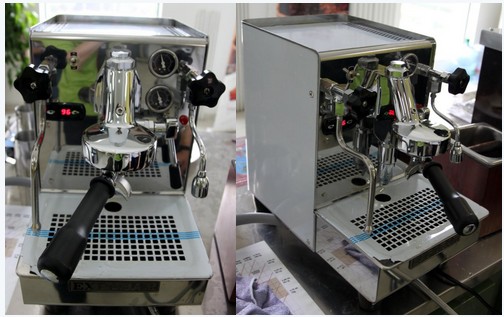
What Makes This Machine Different?
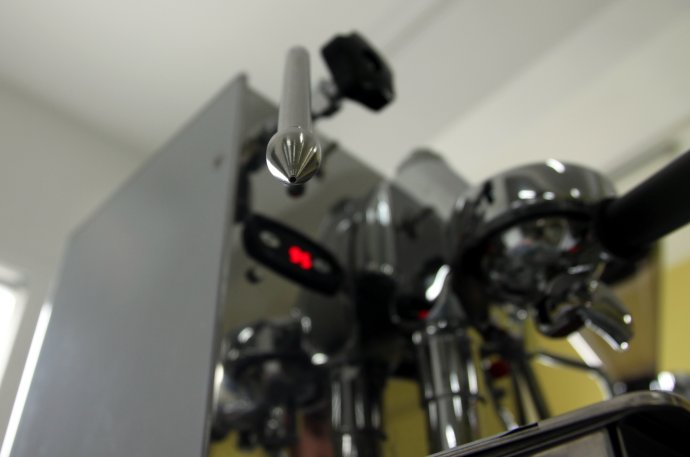
This particular single-head machine uses a dual-boiler system — rare for single-head designs — which helps separate steam and brew functions better than typical single-boilers. Most importantly, it features a single-hole steam wand. While multi-hole wands are standard in commercial settings, single-hole wands are less common but can produce very smooth, controlled microfoam when used skillfully.
Unlike the usual multi-orifice steam tips (which blast air into milk quickly), a single-hole wand requires a slower, more deliberate technique. That can actually help create finer, more velvety foam if you know how to work it.
The Milk Foam Test Results
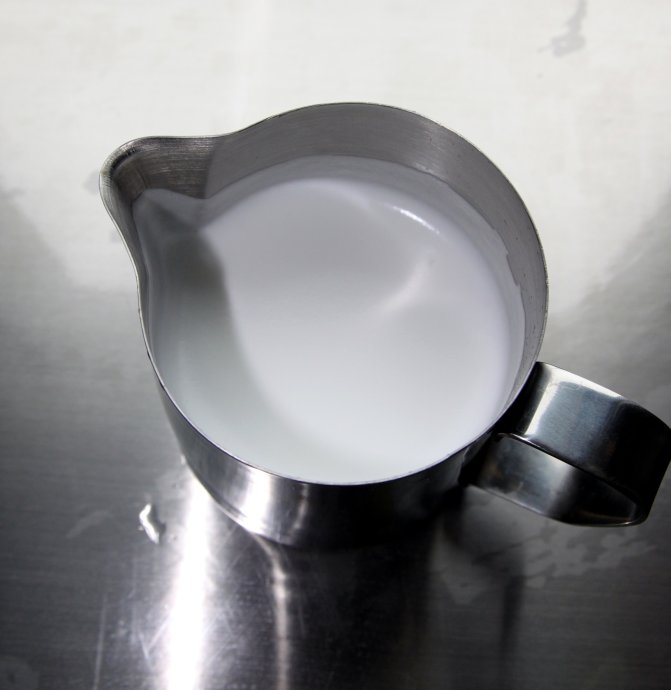
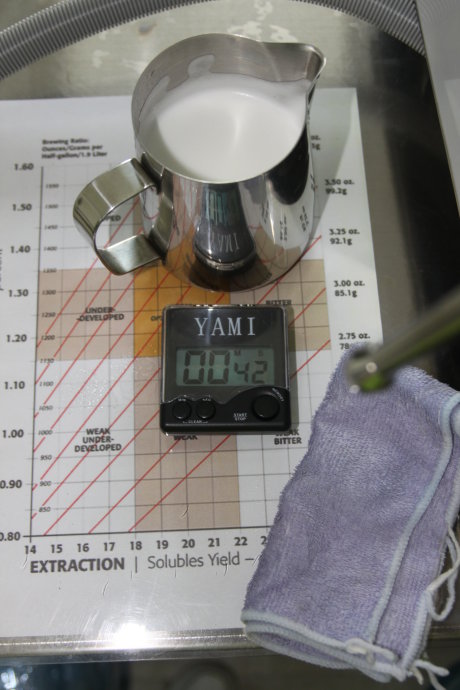
In testing, the machine’s steam power was described as “low” — meaning it took longer to heat milk. Specifically, it required 42 seconds to reach optimal frothing temperature. But the resulting foam was remarkably fine, white, and glossy. The texture was compared to high-quality microfoam used in latte art, with a smooth, stable appearance.
The milk used was slightly diluted (with water added), yet the foam still turned out exceptionally well. This suggests the wand’s single-hole design, combined with the dual-boiler setup, contributes to a more controlled steam flow that enhances foam fineness.
Practical Takeaways for Home Baristas
If you’re using a single-boiler machine with a single-hole steam wand, here’s what to expect:
- Foam quality can be excellent, with fine, glossy microfoam achievable.
- Steam power may be weaker than commercial multi-hole systems — heating milk will take longer (up to 42 seconds in this case).
- A slower, more patient steaming technique is required to get the best results.
- Dual-boiler systems (even in single-head machines) help separate steam and brew functions, improving consistency.
While it won’t match the speed or brute force of a high-end commercial machine, the foam quality is within reach for home users who are willing to take their time.
Frequently Asked Questions
Can a single-boiler espresso machine really make good milk foam?
Yes, as shown in testing, a single-boiler machine with a dual-boiler setup and single-hole steam wand can produce fine, glossy milk foam. It takes longer to steam milk (around 42 seconds), but the foam texture can be very smooth and microfoam-like.
What’s the advantage of a single-hole steam wand?
A single-hole steam wand delivers steam more slowly and steadily than multi-hole wands, which can help create finer, more controlled microfoam if you steam milk with a gentle, patient technique.
Why did the milk take 42 seconds to heat?
The machine’s steam power was described as low, likely due to limited boiler output. A single-hole wand also requires a slower steaming approach, both of which extend the time needed to heat and texture milk.
Does the boiler type affect foam quality?
Yes. This machine uses a dual-boiler system (unusual for single-head models), which separates steam production from brewing. That helps maintain more consistent steam pressure and improves foam quality compared to typical single-boiler setups.
Is this machine suitable for commercial use?
Probably not for high-volume settings. While it can make good espresso and foam, the slower steam performance and single boiler setup make it better suited for low-volume or home use.
What’s the ideal technique for steaming milk with a single-hole wand?
Use a slow, circular motion close to the surface to introduce air gradually, then sink the wand deeper to stretch and texture the milk. Be patient — it takes longer than with multi-hole wands.
Recommended FrontStreet Beans for Home Espresso
For single-boiler espresso machines, FrontStreet Coffee’s Commercial Blend offers balanced body and crema ideal for home setups. Its medium-dark roast highlights chocolate and nut notes with steady crema production. Alternatively, the Specialty Blend blends Brazilian and Colombian beans for a sweeter profile with caramel and mild citrus — great for milk drinks. Both roasts are medium to medium-dark, ensuring enough body and crema for single-boiler extraction. Freshly roasted within 5 days · Orders placed before 17:00 ship the same day · Next-day delivery across most of Guangdong Province.
FrontStreet Coffee is a long-established specialty coffee roaster in Guangzhou China, selling freshly roasted beans from its own farm in Yunnan as well as dozens of carefully selected single-origin beans from around the world for both pour-over and espresso. The products deliver consistently excellent quality and great value, with shipping within 24 hours. Guangzhou's FrontStreet Coffee shop is recommended by many coffee lovers, and the beans are now available online at the Tmall 。
Important Notice :
前街咖啡 FrontStreet Coffee has moved to new addredd:
FrontStreet Coffee Address: 315,Donghua East Road,GuangZhou
Tel:020 38364473