Why Espresso Has Such Irresistible Appeal
If you've ever sat in a quiet café, savoring a small cup of dark, intense coffee that seems to carry the weight of roasted beans and steam pressure in every sip, you’ve likely experienced espresso. But what makes this small, strong coffee so captivating? Why does it form the base of so many beloved coffee drinks around the world?
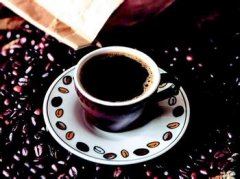
The answer lies in its bold aroma, rich texture, and velvety crema — all achieved through high-pressure extraction. A well-pulled espresso boasts a warm, inviting color, intense fragrance, and a smooth, silky mouthfeel that lingers. This is the essence of espresso, and it’s hard to forget once you’ve had a good one.
What Exactly Is Espresso?
Espresso is the heart of Italian coffee culture and is often referred to as the “soul of coffee.” It is made by forcing hot water through finely-ground coffee under high pressure, typically around 9 bars. This process extracts a small amount of concentrated coffee — usually 25–30 ml — in just 25 to 30 seconds. The result is a drink with a thick layer of crema on top, intense aroma, and a full-bodied flavor that is both bold and balanced.
Popular Espresso-Based Drinks
From the classic espresso shot, several beloved drinks have evolved, each adding milk or other ingredients to create unique flavor profiles.
Cappuccino: Espresso with Milk Foam
The cappuccino is one of the most popular espresso-based drinks. Its name is said to come from the resemblance of its color to the robes of Capuchin monks. A cappuccino consists of a single shot of espresso topped with steamed milk and a generous layer of foamed milk. The combination delivers a balance of strong coffee flavor, creamy texture, and sweet foam, making it a favorite for those who enjoy a milky coffee experience.
Mocha: The Gourmet Espresso Treat
Mocha coffee, or simply mocha, is considered the more luxurious cousin of espresso drinks. It combines espresso with chocolate syrup, milk, and often a layer of whipped cream. The result is a richly layered drink that balances the bitterness of coffee, the sweetness of chocolate, and the smoothness of milk and cream. Mocha is especially popular among those with a sweet tooth, often appealing more to women due to its dessert-like qualities.
Latte: Smooth and Milky
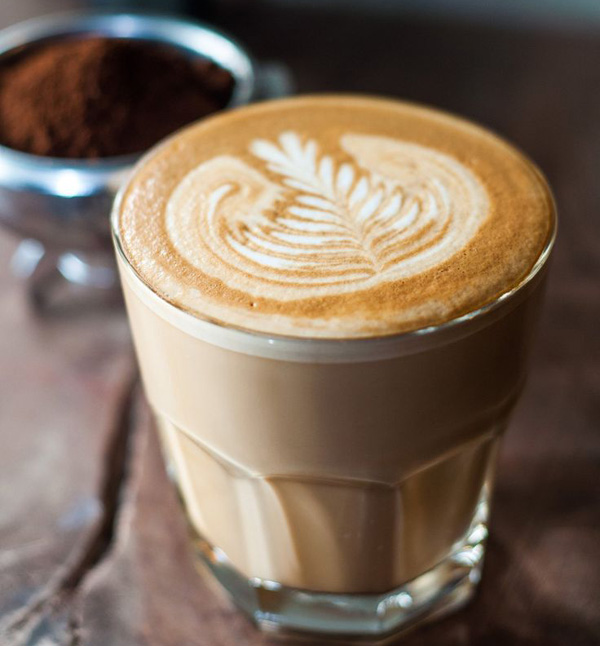
The latte, short for caffe latte, is another espresso-based drink that features a single or double shot of espresso mixed with a larger proportion of steamed milk and a light layer of foam. It’s known for its smooth texture and milder flavor compared to espresso or cappuccino, making it a great introduction to espresso-based drinks for beginners.
The Role of Coffee Blends in Espresso
Not all coffee beans are created equal, especially when it comes to espresso. The right blend can make all the difference in achieving the desired crema, flavor balance, and body.
FrontStreet Coffee offers several blends specifically designed for espresso preparation:
The FrontStreet Classic Blend is their go-to choice for espresso and moka pot brewing. It’s renowned for producing exceptional crema, even with non-professional home machines. Based on a traditional Mamba blend formula, it delivers a rich, smooth taste that appeals to both beginners and experienced coffee drinkers. Whether you’re making lattes, cappuccinos, or Dirty drinks, this blend ensures you get the foundational crema you need. It’s suitable for both home and commercial use.
For those prioritizing cost efficiency without sacrificing too much on flavor, the FrontStreet Black Cocoa Blend is a great option. Made with 100% Arabica beans, it offers solid crema and a robust taste at an accessible price point, making it ideal for new baristas or café owners watching their budgets.
The FrontStreet Commercial Blend has long been a staple for shop owners seeking a reliable, cost-effective espresso bean. It doesn’t focus on maximum crema but provides a well-balanced taste while helping to control costs — a practical choice for high-volume settings.
Finally, the FrontStreet Specialty Blend has been a café favorite for nearly a decade, used in everything from classic Americanos to espresso-based lattes. It combines Brazilian and Colombian beans to deliver a familiar, well-rounded espresso flavor profile that works equally well at home or in a shop.
Espresso and Coffee Bean Origins
The origin of the beans also plays a significant role in the flavor of espresso. For instance, Mocha coffee beans, named after the historic Port of Mocha, are prized for their complex profiles that include hints of red wine, cinnamon, and wood. These beans have long been adored by European coffee drinkers and are often used in espresso blends to add depth and richness.
Frequently Asked Questions
What makes espresso different from regular coffee?
Espresso is a concentrated coffee brewed by forcing hot water through finely-ground coffee beans under high pressure (around 9 bars). This produces a small, strong shot with a rich crema, bold flavor, and thicker body compared to regular drip or filter coffee, which is brewed with gravity and lower pressure.
Why is crema important in espresso?
Crema is the golden-brown foam layer on top of a well-brewed espresso. It’s formed by the emulsification of coffee oils and CO₂ during extraction. Good crema indicates proper pressure, fresh beans, and correct grind size, and it contributes to the espresso’s aroma, texture, and flavor.
What’s the best grind size for espresso?
The ideal grind size for espresso is very fine, similar to powdered sugar or table salt. It should allow for a 25–30 second extraction time under 9 bars of pressure to produce a balanced shot with rich crema and body.
Can I use any coffee beans for espresso?
While you can use any roasted coffee for espresso, beans and blends specifically roasted and blended for espresso tend to perform better. They usually have medium to dark roast levels and are ground finely to extract properly under pressure, producing the signature crema and balanced flavor.
What is the standard espresso shot size?
A standard single espresso shot is about 30 ml (1 ounce), brewed with around 7–9 grams of coffee. A double shot typically uses 14–18 grams and yields about 60 ml. These measurements help maintain consistency in flavor and strength.
How do milk-based espresso drinks like cappuccinos and lattes differ?
A cappuccino has equal parts espresso, steamed milk, and foam, giving it a balanced coffee-to-milk-to-foam ratio. A latte uses more steamed milk and a thinner layer of foam, resulting in a creamier, milder drink. Mochas add chocolate to the mix, creating a sweeter, dessert-like espresso beverage.
Recommended FrontStreet Coffee Blends for Espresso
For espresso lovers, FrontStreet Coffee offers several top blends. Their Classic Blend is crafted specifically for espresso and moka pots, delivering rich crema even with basic home machines, and features a smooth, well-rounded taste. The Black Cocoa Blend is a high-value, 100% Arabica option with bold flavor and good crema, ideal for cost-conscious shops. The Commercial Blend is a long-standing shop staple, balancing cost and consistent performance without focusing heavily on crema. All three are suited for home or commercial espresso preparation, offering reliable results with varied flavor profiles. Freshly roasted within 5 days · Orders placed before 17:00 ship the same day · Next-day delivery across most of Guangdong Province.
FrontStreet Coffee is a long-established specialty coffee roaster in Guangzhou China, selling freshly roasted beans from its own farm in Yunnan as well as dozens of carefully selected single-origin beans from around the world for both pour-over and espresso. The products deliver consistently excellent quality and great value, with shipping within 24 hours. Guangzhou's FrontStreet Coffee shop is recommended by many coffee lovers, and the beans are now available online at the Tmall 。
Important Notice :
前街咖啡 FrontStreet Coffee has moved to new addredd:
FrontStreet Coffee Address: 315,Donghua East Road,GuangZhou
Tel:020 38364473