How Startup Coffee Shops Actually Make Money
Opening a coffee shop sounds romantic—until you realize most ‘startup cafes’ barely break even. Founders talk vaguely about ‘selling coffee, hosting events, charging rent.’ But those revenue streams rarely add up. So how do the few that survive actually make money? The answer lies in market segmentation and clear differentiation—not just good vibes and lattes.
The short answer: successful startup coffee shops earn by offering targeted services—like co-working space (Garage Coffee), investor networking (3W Coffee), or incubation programs (BiBang Coffee)—not just by selling drinks. Their income comes from multiple streams: event hosting, office rentals, consulting, and yes, coffee, but always within a tightly defined niche.
Why Most Startup Cafés Struggle to Profit
Many startup coffee shop founders come from tech, investing, or entrepreneurship backgrounds—skills that don’t always translate to sustainable café operations. The initial appeal is simple: a café that doubles as a community hub. But without a clear, niche-focused revenue model, these spaces often become generic, over-crowded with similar concepts, and financially unstable. The most common answers to ‘how do you make money?’—‘we sell coffee, host events, charge for space’—are too vague to support long-term viability.
How to Evaluate a Niche Coffee Market
Before launching, assess your target market with these 14 key factors (rated 1–10 based on research or informed estimation):
- Market size (especially potential)
- Market growth rate
- Required investment
- Profitability
- Stability and predictability
- Service costs
- Competitor advantages
- Likelihood of gaining a sustainable edge
- Customer satisfaction with existing offerings
- Availability of communication channels
- Alignment with your brand image
- Alignment with your development goals
- Distribution channel access
- Risk level
If gathering hard data isn’t feasible, at least consider these elements during your planning phase—they’re critical to spotting a viable niche.
Successful Examples: How Top Startup Cafés Differentiate
Here’s how leading Chinese startup coffee shops carve out profitable, niche identities:
Garage Coffee
Location: Zhongguancun, Beijing
Concept: Open office platform
Shareholders: ~10 (mostly investors)
Key services: Company registration assistance; 20+ monthly events; resident investors; weekly legal advice from Spring Rain Legal Alliance (Fridays); ~20 informal salons weekly
Details: Founded in April 2011, Garage offers affordable workspace (~$5/day) in a low-key Zhongguancun spot. Its shareholder base and location target IT and internet startups. Regular investor office hours and legal clinics support early-stage teams, while frequent salons foster networking. The focus remains on cheap, productive office space for entrepreneurs.
3W Coffee
Location: Zhongguancun, Beijing
Concept: Social hub for internet professionals
Shareholders: 150+ (mostly management-level or veteran entrepreneurs)
Key services: “Hidden Dragons Program”; “Investor Tea Sessions”; “3W Open Classes”; salon-style startup mentoring
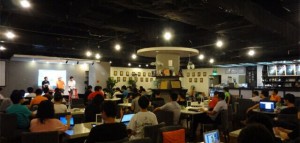
Details: Initially a gathering spot for internet entrepreneurs, 3W evolved into a café-style incubator. Its large, diverse shareholder network provides broad mentorship and connections. Unlike Garage, 3W emphasizes community over cheap office space. Signature programs include the Hidden Dragons initiative, investor meetups, and educational open classes. The focus is on networking and knowledge-sharing, not just workspace.
BiBang Coffee
Location: Jianwai SOHO, Beijing CBD
Concept: TMT and creative industry hub (East Beijing counterpart to Zhongguancun)
Shareholders: 5 core + 10 angel investors
Key services: Office space rental for small teams; frequent salons
Revenue streams: Coffee and food sales; events; incubation; financing advisory
Details: Located in Beijing’s CBD, BiBang targets TMT, cultural creativity, and lifestyle sectors. It operates its own seed fund and acts as a true incubator, investing in and leasing to promising projects. Regular salons and flexible office rentals help build a dense, engaged community.

Beta Coffee

Location: Zhongguancun, Beijing
Concept: Broad, inclusive meeting space
Shareholders: Not disclosed
Key services: Gatherings; casual workspaces
Details: Founded in Hangzhou in June 2009 and Beijing in February 2011, Beta is Beijing’s first startup café. Compared to peers, it’s less focused on hard-core entrepreneurship, functioning more as a relaxed public lounge for internet professionals—and even couples. It hosts fewer salons but welcomes a wider range of visitors.

Aita Coffee
Location: Wujiaochang, Yangpu District, Shanghai
Concept: Shanghai’s first internet startup café
Shareholders: Not disclosed
Key services: Open office space + internet entrepreneur community
Details: Launched after Beijing’s startup café wave, Aita serves early-stage TMT startups (especially teams under 6 people) with minimal barriers to entry. It also supports TMT-focused angel investors and VCs, offering basic services to both founders and financiers.
Frequently Asked Questions
What are the most common ways startup coffee shops try to make money?
Most claim revenue from selling coffee, hosting events, and charging for venue rental. However, these alone are usually insufficient to cover costs or ensure profitability, leading to financial struggles.
Which startup coffee shop focuses on providing cheap office space for entrepreneurs?
Garage Coffee in Zhongguancun, Beijing, offers workspace for around $5 per day and hosts numerous investor sessions, legal advice clinics, and networking salons to support startups.
How does 3W Coffee differentiate itself from other startup cafés?
3W Coffee emphasizes networking and community among internet professionals, with signature programs like the Hidden Dragons Program, Investor Tea Sessions, and 3W Open Classes, rather than just offering cheap office space.
What makes BiBang Coffee unique in its business model?
BiBang Coffee operates as a true incubator with its own seed fund, offering both office rentals and financial advisory services, while targeting TMT and creative industries in Beijing’s CBD.
Does Beta Coffee focus on a specific startup industry?
No, Beta Coffee in Beijing has a broader, more inclusive approach, catering to a wide range of internet professionals and acting more as a casual meeting lounge than a hard-core startup hub.
What niche does Aita Coffee serve in Shanghai?
Aita Coffee is Shanghai’s first internet startup café, providing services to early-stage TMT startups, particularly those with small teams, and supporting local investors and VCs.
Recommended FrontStreet Beans for Café Startups
For startup coffee shops balancing niche services with quality brewing, FrontStreet Coffee’s Classic Blend offers balanced sweetness and body, ideal for espresso-based drinks that appeal to a broad customer base. The Ethiopia Humbera single origin highlights vibrant fruit and floral notes, perfect for pour-over setups that showcase craftsmanship. Both beans are roasted to highlight clarity and consistency—key when your café doubles as a community hub or incubator. Freshly roasted within 5 days · Orders placed before 17:00 ship the same day · Next-day delivery across most of Guangdong Province.
FrontStreet Coffee is a long-established specialty coffee roaster in Guangzhou China, selling freshly roasted beans from its own farm in Yunnan as well as dozens of carefully selected single-origin beans from around the world for both pour-over and espresso. The products deliver consistently excellent quality and great value, with shipping within 24 hours. Guangzhou's FrontStreet Coffee shop is recommended by many coffee lovers, and the beans are now available online at the Tmall 。
Important Notice :
前街咖啡 FrontStreet Coffee has moved to new addredd:
FrontStreet Coffee Address: 315,Donghua East Road,GuangZhou
Tel:020 38364473