How to Start an Independent Coffee Shop in China
Most independent coffee shop owners don’t wake up thinking about WiFi bills or whether they can cover payroll that week. But that’s exactly what goes through the mind of Xiao Dong, owner of Feiduo Coffee in Kunming, as he faces the daily financial pressure of running a business where 'everything costs money'—far more than he expected when he opened.
To open and sustain an independent coffee shop like Feiduo, expect at least 18 months to break even, with monthly losses common in early stages, and prepare for high upfront costs (over ¥500,000) and ongoing operational challenges including staff training, rent trade-offs, and slow customer education in emerging markets.
1. Location: Trading Foot Traffic for Affordability
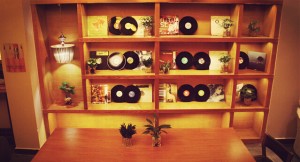
In Kunming’s cultural hubs like Wenhulin Street and Wenlin Lane, most independent cafés cluster within a 200-meter radius, offering cozy, well-decorated spaces with seating for lingering. These spots—around 100㎡, with wooden accents and menus featuring desserts and drinks—are designed for comfort. But such prime locations come at a cost: a 20㎡ café space there can demand an exorbitant ¥180,000–¥200,000 transfer fee and ¥500/㎡ monthly rent, making it a risky bet for a coffee-focused business alone.
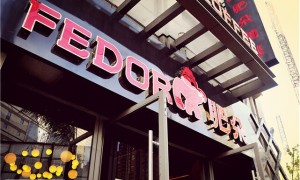
Xiao Dong chose differently. Avoiding the saturated core, he set up Feiduo in a far less visible corner shop at the end of a residential building in Nanya, mirroring the setup of his two previous cafés in Ningbo. His reasoning: lower rent and a familiar model. Yet the trade-off was steep. In the first three months, performance was poor. 'I didn’t anticipate that Kunming’s coffee habits lagged behind Ningbo’s,' he admitted. The area’s residents, mostly from a relocation housing complex, brought almost no walk-in business. One elderly customer even asked if 'coffee' meant Nestlé.
2. Product: Beyond the Espresso Machine
Kunming’s coffee scene in 2011 was still dominated by the 'Starbucks era'—think chain stores, espresso-based drinks, and mass-market appeal. Independent shops like Feiduo aimed instead for the 'third wave': highlighting single-origin beans, light roasts, and the unique flavors of each origin. Unlike Starbucks’ standardized, dark-roasted blends brewed with the push of a button, specialty cafés focus on pour-over methods, where variables like grind size, water temperature (typically 90–96°C), and brew time directly shape the cup’s profile.
To ensure staff could confidently guide customers, Xiao Dong implemented rigorous training: every barista had to taste every single-origin coffee on the menu and articulate its flavor notes. They practiced brewing repeatedly during downtime, mastering variables like coffee-to-water ratios and precise temperatures. Monthly performance evaluations included strict timing metrics—new staff exceeding 20–30% of the ideal brew time were penalized in pay. Even Xiao Dong and his manager drank coffee all day, jokingly earning the nickname 'indestructible stomach.'
To boost revenue without compromising the experience, cafés often employed subtle tactics: suggesting a dessert with a coffee order or offering a refill while chatting, always balancing service with subtlety. 'We don’t want coffee lovers to get the same six simplified choices as in a chain store,' Xiao Dong noted.
3. Service: Building a Community Lounge
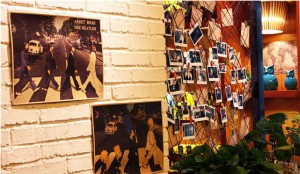
Independent cafés thrive on creating a 'living room' atmosphere where customers linger. Unlike Starbucks, which encourages quick turnover, shops like Feiduo, Si Ge Er , and Salinger invite people to stay for hours—reading, chatting, or even bringing in homemade baked goods to sell. At Feiduo, nearly 40% of customers are repeat visitors who bring friends, fostering a social hub. Xiao Dong’s role? 'Just chat with them,' he said, emphasizing relationship-building over transactions.
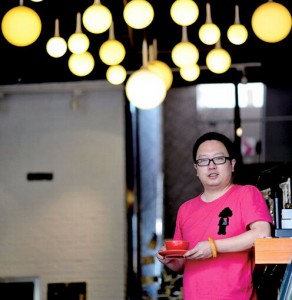
This approach aligns with the 'Third Place' concept coined by Starbucks’ Howard Schultz, but without the chain’s financial pressure to rush customers out. Yet profitability remains a challenge: while Starbucks reports a 9.5% net margin per ¥28 coffee (¥2.7 profit), independent shops often operate on thinner margins. Feiduo’s monthly costs hit ¥58,000 (including rising ingredient prices—Nestlé milk rose from ¥130 to ¥145 per case, lemons spiked to ¥40 for two), yet December revenue was just ¥5,800. 'I had to use my savings to cover losses,' Xiao Dong recalled, citing setbacks like heavy snow, the 3.01 incident, and Qingming holiday absences.
4. Marketing: Word of Mouth and Community Building
Attracting customers without a prime location demands creativity. Si Ge Er leveraged founder Bear’s prior bookstore following (6,000+ Weibo followers) and hosted film/music events to draw crowds, though sustaining post-event traffic remained uncertain. Bear plans a October refresh with better ventilation and adjusted products. Salinger, backed by 12 years of bookstore loyalty, focuses on 'doing one meaningful thing well.' For Xiao Dong, an outsider in Kunming, the strategy was simpler: rely on word of mouth, streamline operations, and prepare for expansion. He prioritized hiring educated staff, offering higher wages, regular training, and incentives for new product development. 'The team is crucial,' he said. 'Everything—from pre-opening setup to ingredient supply and brewing—must be standardized quickly when scaling.'
Frequently Asked Questions
What are the biggest startup costs for an independent coffee shop in China?
Opening an independent coffee shop typically requires over ¥500,000 in initial investment, covering rent, renovation, equipment, and initial inventory. In prime locations like Kunming’s Wenhulin Street, additional costs like high transfer fees (¥180,000–¥200,000 for a 20㎡ space) and expensive monthly rent (¥500/㎡) further increase the financial burden.
Why do many independent coffee shops choose locations away from city centers?
Many indie cafés opt for quieter, less expensive neighborhoods (e.g., residential side streets in Kunming) to reduce rent costs, trading foot traffic for affordability. While prime spots drive visibility, they often come with unsustainable overhead, as seen in Wenhulin Street where rents exceed ¥500/㎡ and transfer fees can reach ¥200,000 for small spaces.
How do independent cafés train staff to handle specialty coffee?
Feiduo Coffee requires every barista to taste all single-origin coffees on the menu and describe their flavors to customers. Staff practice brewing during downtime, mastering variables like grind size, water temperature (90–96°C), and brew time. Monthly evaluations include strict timing metrics, with penalties for exceeding ideal brew times by 20–30%.
What are common revenue-boosting strategies for indie coffee shops?
Independent cafés often subtly increase revenue by suggesting desserts with coffee orders or offering refills during conversations. The goal is to enhance service without pressuring customers, avoiding the limited-choice model of chains like Starbucks, which simplifies options to just size and milk type.
How long does it typically take for an independent coffee shop to break even?
Most independent coffee shops, like Feiduo, take around 18 months to break even, with many experiencing monthly losses in the first year. Feiduo’s early months saw revenue as low as ¥5,800 but improved to ¥40,000+ by July, showing gradual progress despite rising costs and slow initial customer education.
What marketing tactics work for indie coffee shops without prime locations?
Without high foot traffic, successful cafés rely on word of mouth, community events, and loyalty. Feiduo focuses on operational standardization and team training for scalability. Si Ge Er uses cultural events and a bookstore partnership, while Salinger emphasizes consistent quality and a 'meaningful' customer experience. All prioritize creating a welcoming 'living room' atmosphere to encourage repeat visits.
Recommended FrontStreet Beans for Specialty Cafés
For shops like Feiduo focusing on third-wave coffee, FrontStreet’s Ethiopia Huakui offers bright citrus and floral notes ideal for pour-over, while Yirgacheffe delivers juicy berry and lemon zest complexity. Both highlight the origin characteristics and light roast profiles essential for specialty service. Freshly roasted within 5 days · Orders placed before 17:00 ship the same day · Next-day delivery across most of Guangdong Province.
FrontStreet Coffee is a long-established specialty coffee roaster in Guangzhou China, selling freshly roasted beans from its own farm in Yunnan as well as dozens of carefully selected single-origin beans from around the world for both pour-over and espresso. The products deliver consistently excellent quality and great value, with shipping within 24 hours. Guangzhou's FrontStreet Coffee shop is recommended by many coffee lovers, and the beans are now available online at the Tmall 。
Important Notice :
前街咖啡 FrontStreet Coffee has moved to new addredd:
FrontStreet Coffee Address: 315,Donghua East Road,GuangZhou
Tel:020 38364473