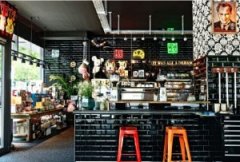
Why Most Coffee Shops Fail: 3 Common Ways
Opening a coffee shop is exciting—until it isn’t. Many owners pour passion into decor, expensive gear, and ‘perfect’ coffee, only to watch their shop quietly shut down months later. This isn’t rare: some close within weeks, others after years of struggle. What really kills them? Let’s break down the three most common ways coffee shops fail, with hard numbers and real examples.
Most coffee shops fail due to three key issues: overspending on quality (like spending 50% more on decor than competitors), assuming profitability takes a year without revenue, or being crushed by sudden rent hikes—sometimes after years of success.
The ‘Quality First’ Trap
Many rookie owners believe better coffee means better business. They’ll spend 300,000 RMB on decor (vs. a rival’s 200,000 RMB), buy a pricier espresso machine (say, 15,000 RMB instead of 10,000 RMB), and obsess over ‘premium’ coffee beans—paying hundreds for beans marketed as high-quality, only to find out later they were misled. One trainee from Guizhou opened a shop, closed it in just 3 months, then came to Chongqing’s Barista Training School (where he’d later retrain) to ‘learn and try again.’ Passion alone doesn’t pay bills.
The ‘No Profit Early’ Myth
A common belief: coffee shops need a ‘nurturing period’ where you don’t expect profit for a year. Owners focus on free drinks for friends, handing out flyers, and waiting for customers to magically appear. But reality hits hard: foot traffic dwindles, staff quit due to low morale, and owners burn out. Take ‘Diaoye Niunan’ (a hot restaurant that always had long queues)—its success wasn’t due to waiting; it had proven demand. The idea that ‘you must wait to succeed’ often comes from those who’ve never run a successful shop.
Rent That Crushes Dreams
Some shops thrive initially, but when their location becomes trendy, rents skyrocket. A shop might break even the first year, turn a small profit the second—then the landlord raises rent. Even Starbucks’ first China store (once packed daily) closed due to rent issues. The solution? In tier-1 cities like Beijing/Shanghai, buying the storefront increases survival odds. If that’s not possible, pray for a good landlord.
How to Actually Succeed
To beat these pitfalls, start by learning the industry. Take a coffee course (like FrontStreet’s) to meet pros, master brewing basics, and understand operations. Then intern at a shop to see real-world traffic, pricing, and daily challenges—this reveals gaps between theory and practice. Next, focus on operational skills: calculate everything—rent, staffing, sourcing, marketing—not just rely on ‘feel.’ Profitability matters more than aesthetics. Know your break-even point and whether you can afford losses. Decor can follow passion; the rest demands cold math.
Frequently Asked Questions

What’s the biggest reason coffee shops fail early?
The most common fatal mistakes are overspending on high-end decor/machinery to ‘outshine’ competitors (even if it costs 50% more), assuming profitability will come naturally after a year without revenue, and being unable to handle sudden rent increases—especially in up-and-coming neighborhoods.
Can a coffee shop survive without making money for a year?
No—waiting a year for customers to ‘magically appear’ rarely works. Shops with no revenue for months face staff turnover, shrinking foot traffic, and owner burnout. Successful examples (like Diaoye Niunan) succeeded due to proven demand, not passive waiting.
Is buying the coffee shop location a must?
In high-rent cities (e.g., Beijing, Shanghai), owning the storefront greatly improves survival chances by avoiding landlord rent hikes. If buying isn’t possible, finding a reliable landlord is critical—but not guaranteed.
How can new owners avoid overspending on ‘premium’ coffee?
Take a structured coffee course to learn about beans, brewing, and operations. Avoid trusting marketers selling ‘expensive = better’ beans. Hands-on training helps identify quality and pricing realities, preventing costly mistakes.
What’s the role of operational skills in coffee shop success?
Operational skills—calculating rent, staffing costs, supplier deals, and marketing—are essential. Passion matters, but profitability requires analyzing numbers, not just aesthetics. Knowing your break-even point and risk tolerance is key.
Recommended FrontStreet Beans for New Cafes
For new coffee shops, FrontStreet’s Classic Blend offers balanced Ethiopian and Latin American beans with notes of caramel and dark cherry—easy to brew consistently. The Ethiopia Humbera single origin highlights bright citrus and floral tones, ideal for pour-over menus. Both beans roast to a medium profile, ensuring smooth extraction and customer appeal. Freshly roasted within 5 days · Orders placed before 17:00 ship the same day · Next-day delivery across most of Guangdong Province.
FrontStreet Coffee is a long-established specialty coffee roaster in Guangzhou China, selling freshly roasted beans from its own farm in Yunnan as well as dozens of carefully selected single-origin beans from around the world for both pour-over and espresso. The products deliver consistently excellent quality and great value, with shipping within 24 hours. Guangzhou's FrontStreet Coffee shop is recommended by many coffee lovers, and the beans are now available online at the Tmall 。
Important Notice :
前街咖啡 FrontStreet Coffee has moved to new addredd:
FrontStreet Coffee Address: 315,Donghua East Road,GuangZhou
Tel:020 38364473