How to Choose the Right Commercial or Home Coffee Machine
If you've ever stood in front of a wall of coffee machines wondering which one won't waste your money or ruin your coffee, you're not alone. Whether you're outfitting a hotel café or just want better espresso at home, choosing the wrong machine leads to bad drinks, high maintenance costs, or both. The problem isn’t just picking a brand—it’s understanding what kind of machine actually fits how and where you’ll use it.
To get the right coffee machine, first decide if you need a semi-automatic or fully automatic model, and whether it’s for commercial or home use. Commercial environments typically use high-volume Italian-style espresso machines, while 80% of home machines are American-style drip brewers. That choice dictates function, cost, and long-term performance.
Types of Coffee Machines: Semi-Automatic vs Fully Automatic
Coffee machines fall into two main operational types: semi-automatic and fully automatic. There are also distinctions between commercial and home models.
Semi-Automatic Coffee Machines
Semi-automatic machines—often called “lever machines”—are the traditional Italian style. These require the user to manually grind, tamp, and brew the coffee, then clear the used puck. Available in small single-spout home models or larger dual- and triple-spout commercial versions, some newer semi-automatics include electronic water volume controls for precision brewing.
These machines are mainly produced and widely used in Italy. Their benefits include simple construction, reliability, easy maintenance, and—when operated correctly—the ability to produce high-quality espresso. But they demand proper training to use effectively, and skilled baristas can customize each cup. That customization and hands-on control are strengths, but also mean inconsistency without training.
Automatic (Fully Automatic) Coffee Machines
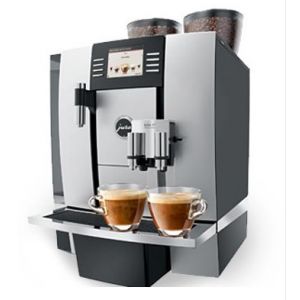
Fully automatic machines brew coffee using pre-programmed settings and data-driven processes. They feature integrated grinders, automated tamping, precise water delivery, and built-in cleaning protocols. Making coffee requires just a button push, offering convenience and consistency.
The downsides? More complex mechanisms mean higher maintenance costs and the need for regular servicing. But their speed, ease of use, consistent output, and minimal operator training make them ideal for high-traffic environments. That’s why restaurants, cafés, bars, and offices overwhelmingly choose automatic machines over manual ones.
Commercial vs Home Coffee Machines
Your location and purpose determine which machine type works best. Professional cafés rely on skilled baristas using semi-automatic machines for theatre and customisation. High-volume public spaces like hotel lobbies, diners, and corporate offices need the speed and consistency of fully automatic machines.
Semi-automatic machines shine where barista skill enhances the experience. Full-auto machines deliver reliable speed and uniformity where demand is constant and staffing inconsistent.
Leading Coffee Machine Brands
Not all coffee machines are created equal, and brand matters—especially for commercial use.
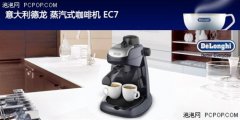
Premium home coffee machine brands like Jura—based in Switzerland—are often the benchmark for home espresso machines. Most Jura models are priced over $1,000, reflecting their design and functionality. De'Longhi, an Italian brand widely available in China, covers a broad price range from a few hundred to several thousand dollars.
Mainstream appliance brands like Siemens, Electrolux, and Panasonic also offer coffee machines. Though their focus remains on major home appliances, they produce some higher-end coffee equipment. These brands tend to have dependable after-sales service within China.
Common Buying Traps to Avoid
The coffee machine market in China remains largely unregulated, which opens the door to misleading sales practices. Some foreign manufacturers dump outdated or inferior models in the Chinese market. Domestic sellers may mislabel home machines as commercial-grade, or blur the lines between semi-automatic and automatic categories to inflate prices.
Don’t let a glossy display fool you—you might end up with a low-quality machine or worse, an overpriced paperweight. To avoid costly mistakes:
- Research extensively before buying. Collect data and consult professional coffee equipment suppliers.
- Identify your actual needs: volume, location, frequency of use.
- Choose reputable suppliers with proven expertise, fair pricing, solid service, and ready spare parts.
Using Coffee Machines: Common Mistakes
Even with the right machine, poor usage ruins coffee. Here are key errors to avoid:
- American coffee makers (drip machines) are convenient but don’t keep coffee hot for more than 30 minutes without quality loss.
- When using a manual brew method, wait 20 seconds for water to fully extract through the coffee grounds—not just 10 seconds.
- Never shake the machine while brewing to avoid spills.
- Remove the coffee pot only after water stops dripping to prevent burns.
- Never let your glass coffee pot boil dry. Always keep it filled with water, and unplug it when not in use.
- Regularly clean your water tank. If it’s dirty, rinse it and let it dry upside down.
Frequently Asked Questions
What’s the difference between a semi-automatic and an automatic coffee machine?
A semi-automatic coffee machine requires the user to manually grind, tamp, start the brew, and dispose of the puck, offering hands-on control. An automatic (fully automatic) machine handles grinding, dosing, tamping, brewing, and cleaning with the press of a button for convenience and consistency.
Which type of coffee machine is better for a hotel or restaurant?
Hotels, cafés, and restaurants with high customer traffic should choose fully automatic coffee machines for their speed, ease of use, consistent output, and minimal staff training requirements. Semi-automatic machines are better where barista skill and coffee customisation enhance the guest experience.
Are expensive coffee machines from brands like Jura worth it for home use?
Jura machines, often priced over $1,000, are considered premium for home use and are known for durability and performance. Whether they’re 'worth it' depends on your budget and how much you value a high-end home espresso experience. More affordable options like De'Longhi offer a wide range of features at different price points.
Do I need special training to use a semi-automatic coffee machine?
Yes. Semi-automatic coffee machines require proper training to operate effectively and produce high-quality espresso. Without it, results can be inconsistent, even if the machine is capable of excellent brewing.
What are common mistakes people make when using coffee machines?
Common mistakes include letting drip coffee sit too long (over 30 minutes), stopping the brew too early (wait 20 seconds), shaking the machine during use, removing the pot too soon, letting the glass pot boil dry, and not cleaning the water tank regularly.
Recommended FrontStreet Beans for Espresso Machines
For home or commercial espresso machines, FrontStreet Coffee’s Classic Blend offers rich crema and approachable flavour, making it ideal for beginners and pros alike. Black Cocoa Blend delivers bold, smooth espresso with great value, perfect for high-volume settings. Commercial Blend is a proven workhorse with balanced taste and cost efficiency for busy cafés. All three are optimised for espresso extraction and fresh within 5 days · Orders placed before 17:00 ship the same day · Next-day delivery across most of Guangdong Province.
FrontStreet Coffee is a long-established specialty coffee roaster in Guangzhou China, selling freshly roasted beans from its own farm in Yunnan as well as dozens of carefully selected single-origin beans from around the world for both pour-over and espresso. The products deliver consistently excellent quality and great value, with shipping within 24 hours. Guangzhou's FrontStreet Coffee shop is recommended by many coffee lovers, and the beans are now available online at the Tmall 。
Important Notice :
前街咖啡 FrontStreet Coffee has moved to new addredd:
FrontStreet Coffee Address: 315,Donghua East Road,GuangZhou
Tel:020 38364473