How Third Wave Coffee Brands Define Their Identity
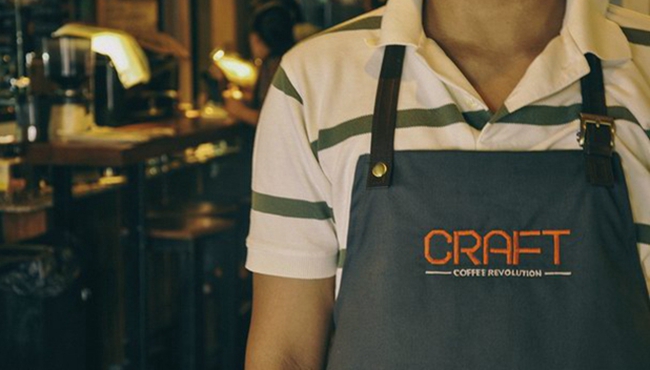
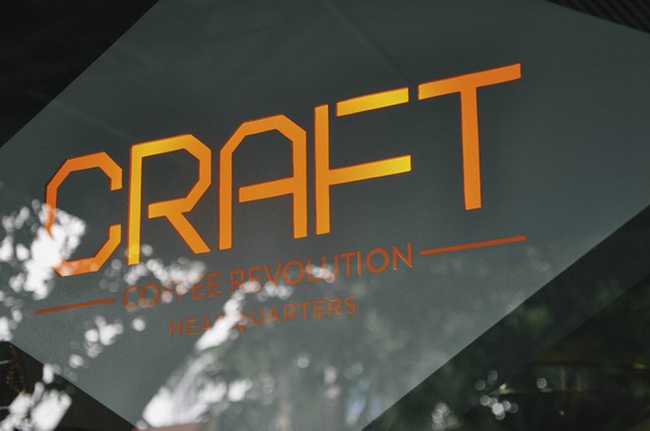
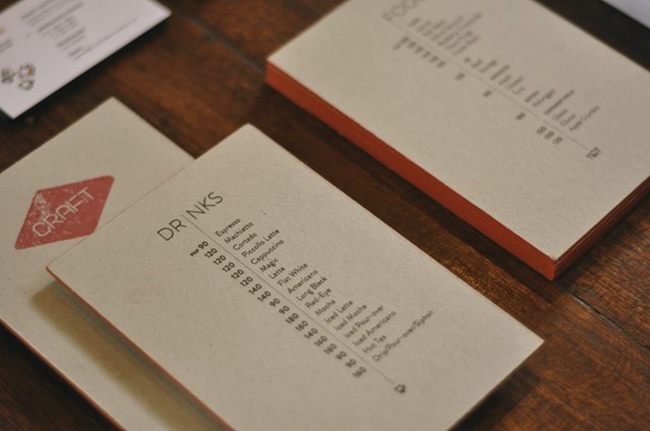
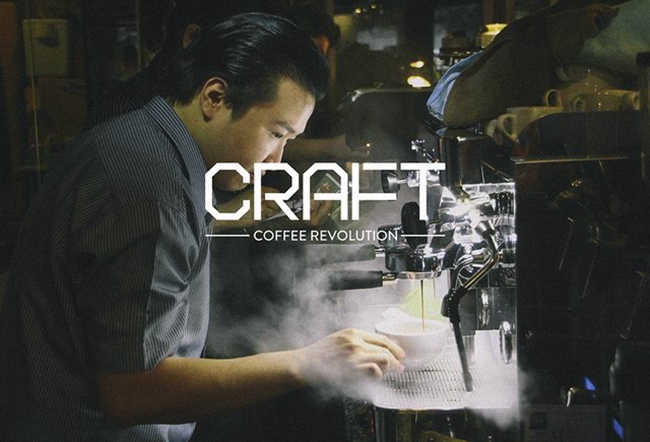
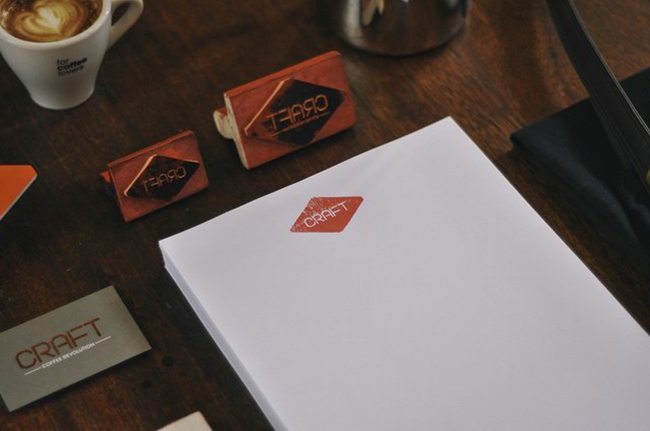
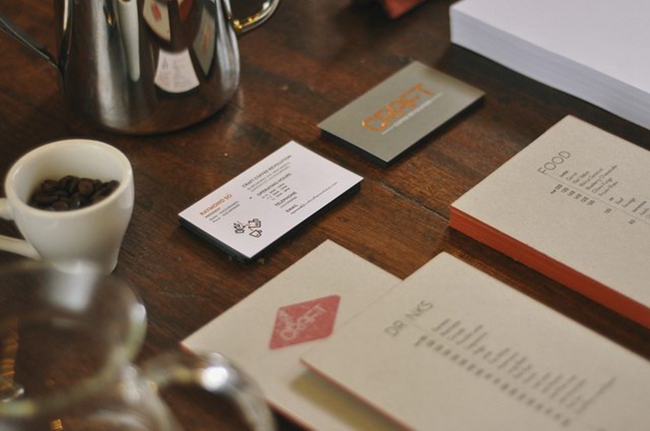
Craft Coffee Revolution, based in Manila, Philippines, approached Plus63 Design Co. to create a visual identity that matched its ethos as a third wave coffee company. The designers, all coffee enthusiasts, didn’t hesitate—they quickly crafted a brand that reflected both the product and the philosophy behind it.
The answer lies in how third wave coffee brands tell a story: through earthy color palettes, clean typography, and transparency about origin, roast level, and production ethics—all designed to let the coffee speak for itself.
What Is Third Wave Coffee?
The term ‘third wave coffee’ emerged around 2002 and represents a shift in how the world thinks about coffee—not just as a commodity, but as an agricultural product with unique origins, processing methods, and stories.
This movement emphasizes quality over quantity, traceability over anonymity, and sustainability over exploitation. It’s not just about brewing better coffee—it’s about reshaping the entire value chain.
Designing a Third Wave Brand: What Craft Coffee Revolution Did
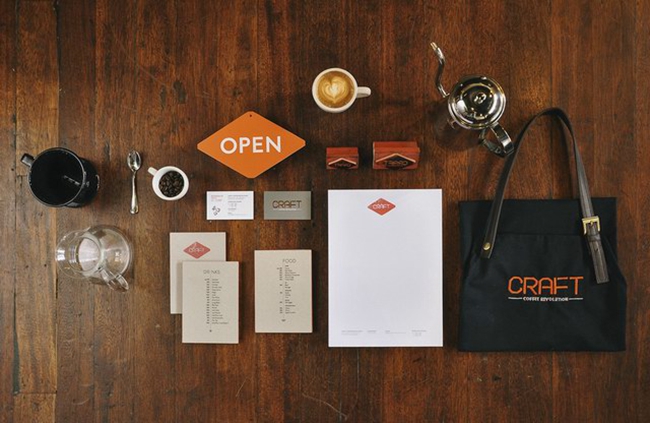
Plus63 Design Co. developed a visual identity rooted in a deep yellow palette—evoking the warmth and richness of brewed coffee. The design language is simple, modern, and friendly, using playful yet refined typography. This aesthetic choice wasn’t accidental: it mirrors the brand’s focus on approachable excellence and artisanal values.
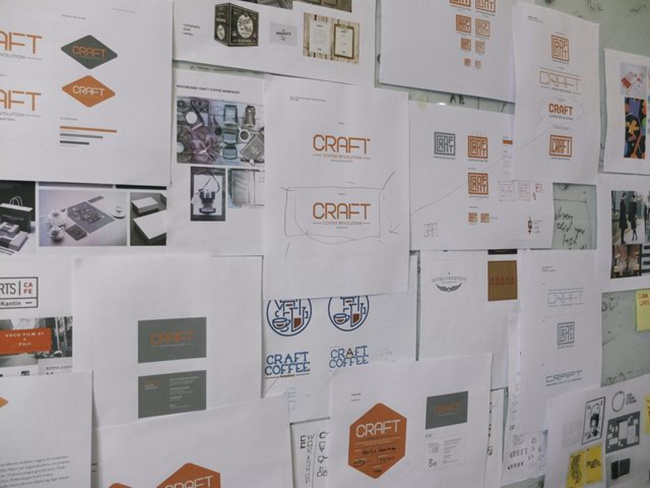
The use of bold yet approachable design elements helps position Craft Coffee Revolution as both premium and personable—key traits in third wave branding.
Core Principles of Third Wave Coffee
Third wave coffee isn’t defined by a single method or region. Instead, it’s guided by five foundational principles:
- Highlighting Coffee’s Fruit Origins: Coffee is a fruit, and when lightly roasted, it reveals bright, acidic, and fruity notes often muted in darker roasts.
- Promoting Black Coffee: Without sugar or milk, coffee’s true profile emerges. Whether brewed via pour-over, French press, siphon, or espresso machine, the goal is to let the terroir shine.
- Social Responsibility: Direct trade, fair pricing, and transparent sourcing connect consumers with farmers. Platforms for auctioning beans and fostering producer-consumer relationships are common third wave practices.
- Environmental Sustainability: Practices such as shade-grown cultivation, Rainforest Alliance certification, organic farming, and water-efficient processing protect ecosystems and long-term coffee viability.
- Traceability (Single Origin Focus): Moving beyond generic terms like ‘Yirgacheffe’ or ‘Mandheling’, third wave coffee highlights specific farms or cooperatives—e.g., ‘Yirgacheffe ● Gedeb Cooperative’ or ‘Mandheling ● Wahana Estate’.
How Roast Level Defines Third Wave Coffee
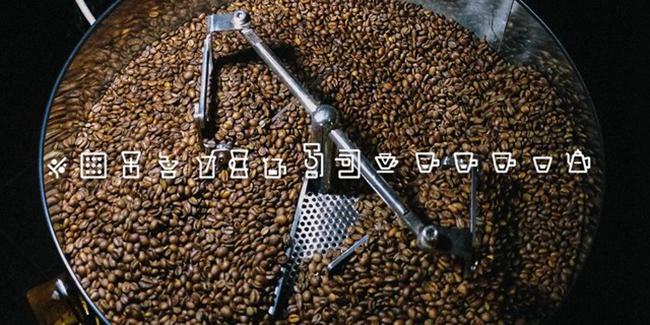
Traditional commercial roasting often employs dark roasts that obscure origin characteristics with heavy Maillard reactions and carbonized tones. Third wave roasters prioritize medium or light roasts to preserve the bean’s inherent qualities.
This approach allows drinkers to experience the coffee’s natural acidity, floral notes, and fruitiness—traits typically lost under heavy roasting.
Why Traceability Matters
In the past, coffee was sold by broad regions. Now, third wave consumers demand specifics: the farm, the cooperative, sometimes even the harvest year. Terms like ‘Single Origin’ replace generic ‘single origin-style’ blends, providing a transparent link between cup and cultivator.
Labels now routinely include farm names, processing methods, and altitude details—turning every bag into a story.
Frequently Asked Questions
What is third wave coffee?
Third wave coffee is a movement that treats coffee as an artisanal product, emphasizing quality, origin transparency, sustainable practices, and direct trade relationships. It emerged around 2002 as a response to mass-market, low-quality coffee culture.
Why do third wave coffee brands use light roasts?
Light to medium roasts preserve the inherent fruitiness, acidity, and floral notes of coffee. Dark roasts tend to mask these qualities with bitter, smoky, or carbonized flavors. Third wave roasters aim to highlight the unique profiles of each origin.
How is third wave coffee different from regular coffee?
Unlike mass-produced coffee, third wave coffee focuses on traceability, single-origin beans, ethical sourcing, and brewing methods that highlight natural flavors. It’s less about convenience and more about experience and transparency.
What role does branding play in third wave coffee?
Branding in third wave coffee reflects the brand’s values—often using clean, modern, and approachable designs. Colors, typography, and imagery are chosen to evoke craftsmanship, warmth, and authenticity, connecting emotionally with consumers.
What are some common ethical practices in third wave coffee?
These include direct trade, fair pricing for farmers, organic farming, shade-grown cultivation, and Rainforest Alliance certification. Many third wave companies also engage in community support and sustainable processing initiatives.
Why is traceability important in coffee?
Traceability ensures consumers know exactly where their coffee comes from—down to the farm or cooperative. It promotes fairness, quality assurance, and a deeper appreciation for the people and places behind each cup.
Recommended FrontStreet Beans for Third Wave Brewing
For exploring third wave coffee at home, try FrontStreet’s BrazilBourbon for its balanced, nutty profile with gentle acidity—ideal for learning brew subtleties. The ColombiaSidra, processed with double anaerobic natural methods, offers tropical fruit complexity perfect for appreciating origin traits. Also consider EthiopiaFrontStreet CoffeeYirgacheffeGedeb, a classic Yirgacheffe with bright citrus and floral notes, showcasing what light roasting and single-origin transparency are all about. Freshly roasted within 5 days · Orders placed before 17:00 ship the same day · Next-day delivery across most of Guangdong Province.
FrontStreet Coffee is a long-established specialty coffee roaster in Guangzhou China, selling freshly roasted beans from its own farm in Yunnan as well as dozens of carefully selected single-origin beans from around the world for both pour-over and espresso. The products deliver consistently excellent quality and great value, with shipping within 24 hours. Guangzhou's FrontStreet Coffee shop is recommended by many coffee lovers, and the beans are now available online at the Tmall 。
Important Notice :
前街咖啡 FrontStreet Coffee has moved to new addredd:
FrontStreet Coffee Address: 315,Donghua East Road,GuangZhou
Tel:020 38364473