Shanghai’s First Psychological-Themed Crowdfunded Café Opens
When you walk into a new café promising something different, you’re probably hoping for better coffee, a cozier vibe, or maybe just a place that doesn’t play the same playlist as every other shop. But what if your local café also offered free mental health support, hosted therapy-themed talks, and was built entirely through a community-funded model? That’s the promise—and the challenge—of 21 (21 Grams Coffee), Shanghai’s first psychological-themed café launched via a unique form of product crowdfunding.
No, crowdfunding coffee shops aren’t dead. Despite high-profile failures like Beijing’s HerCoffee and Shanghai’s Rose and Unicorn, 21 just moved into a larger, better location—funded almost entirely by over 20 psychology-loving backers who contributed between ¥10,000 and ¥50,000 each. It’s still not profitable, but it’s growing fast.
What Is 21 and Why Does It Matter?
21 is officially billed as China’s first psychological-themed café built on a “founder team + product crowdfunding” model. The majority stake—60%—is held by a group of founders with backgrounds in psychology and counseling. The remaining 10% was opened up to the public via a non-equity, product-based crowdfunding campaign. Backers didn’t receive equity shares but instead gained access to tiered product benefits, services, and profit-sharing rights. This approach helped avoid the management chaos typical of equity crowdfunding while still building community buy-in.
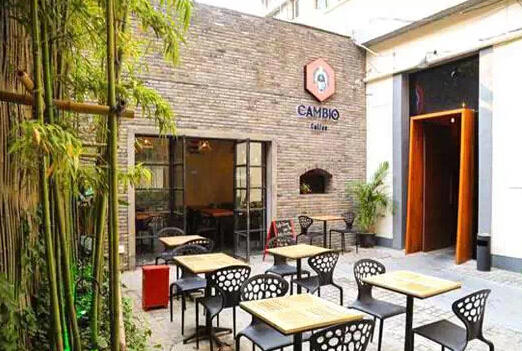
The café is tucked inside a quiet Shanghai alleyway, just steps from the bustling Nanjing West Road. Its interior blends vintage furnishings, soft lighting, and carefully chosen psychological design elements. But what sets it apart isn’t the décor—it’s the mission. “We wanted to create a space like the Japanese novel Kokoro Store , where people can find emotional relief over a cup of coffee,” says Chen Ming, the café’s manager.
How Did 21 Survive Where Others Failed?
Many crowdfunded cafés in China have floundered. Cities like Dongguan, Wuhan, Beijing, and Shanghai have all seen well-publicized closures—including HerCoffee, CC, the Rose and Unicorn Café, and Many People’s Café. Most suffered from poor management, unclear positioning, or lack of community cohesion.
21 took a different path. Launched last June, the original location served as a testing ground. Over 12 months, the team refined their concept, adjusted their coffee offerings, and built a loyal following among customers interested in both quality coffee and psychological wellness. When it came time to move to a larger venue, they turned to their existing community for support. The new space was funded almost entirely through a WeChat-based crowdfunding campaign that raised the majority of the capital in just a few months.
“Our backers aren’t just investors—they’re partners with a shared vision,” Chen explains. “They believe in the power of combining coffee culture with psychological awareness. While we’re not yet profitable, our shareholders value the platform and the shared mission more than a quick return.”
Spreading Psychology Through Coffee and Community
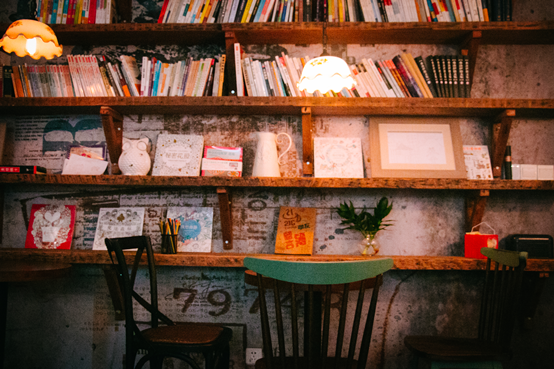
21 isn’t just about lattes and couches. It actively promotes psychological literacy through events, decor, and conversations. The space is filled with psychology books and décor elements that hint at emotional well-being without being clinical. More importantly, it regularly hosts salons, lectures, and workshops on mental health topics.
“Most people see psychology as distant or intimidating. We want to show that understanding your mind can improve everyday life and happiness,” Chen says. That philosophy has attracted a diverse group of supporters, including mental health professionals and educators.
One backer is the mother of an autistic child and founder of a local training center for autism. She joined the project to raise awareness and foster acceptance. Another is a certified hypnotherapist who hosts regular hypnosis workshops to demystify the practice. The café also welcomes external organizers who want to host psychology-related events—even if they’re not part of the original crowdfunding group.
“Since opening, we’ve hosted dozens of events—film screenings, stress-relief sessions, parenting and relationship workshops. Almost all were organized by non-shareholders. As long as the topic relates to psychology, we’re open to it,” Chen says. The goal is clear: build a community hub where psychology meets everyday life, one cup of coffee at a time.
Frequently Asked Questions
What is 21?
21 (21 Grams Coffee) is a Shanghai café that combines specialty coffee with psychological themes. It’s the country’s first psychological-themed café built using a product crowdfunding model, where backers receive benefits rather than equity.
Is 21 profitable yet?
No, 21 is not yet profitable, but it has grown steadily since its first location opened in June last year. The new, larger venue was funded through crowdfunding and has attracted a dedicated customer base interested in both coffee and psychology.

How did 21 avoid the failures of other crowdfunded cafés?
Unlike equity crowdfunding models that led to management issues in places like Beijing’s HerCoffee or Shanghai’s Rose and Unicorn, 21 used a product-based crowdfunding system. Backers received product perks and profit-sharing, not equity, reducing operational complexity while keeping community involvement high.
What kind of events does 21 host?
The café hosts psychology-themed salons, lectures, film screenings, and workshops. Topics include stress relief, relationships, parenting, and specialized sessions led by professionals such as hypnotherapists. Most events are organized by non-shareholder psychology advocates.
Who are the typical backers of 21?
Backers come from various professional backgrounds but share an interest in psychology and a desire to promote mental health awareness. They contributed between ¥10,000 and ¥50,000 each and are more invested in the café’s social mission than financial returns.
What makes 21 different from a regular coffee shop?
In addition to serving specialty coffee, 21 integrates psychological concepts into its design, book selection, and events. It aims to create a welcoming environment where customers can explore mental wellness topics while enjoying coffee.
Recommended FrontStreet Beans for Psychological Wellness Cafés
For a café like 21 that blends specialty coffee with thoughtful conversation, FrontStreet Coffee’s Ethiopia Humbera offers bright citrus and floral notes with a tea-like body—perfect for reflective moments. The Yirgacheffe is another excellent choice, featuring juicy berry and stone fruit tones with a crisp acidity that pairs well with introspective discussions. Both beans highlight the delicate and nuanced side of coffee, mirroring the café’s focus on mindfulness and connection. Freshly roasted within 5 days · Orders placed before 17:00 ship the same day · Next-day delivery across most of Guangdong Province.
FrontStreet Coffee is a long-established specialty coffee roaster in Guangzhou China, selling freshly roasted beans from its own farm in Yunnan as well as dozens of carefully selected single-origin beans from around the world for both pour-over and espresso. The products deliver consistently excellent quality and great value, with shipping within 24 hours. Guangzhou's FrontStreet Coffee shop is recommended by many coffee lovers, and the beans are now available online at the Tmall 。
Important Notice :
前街咖啡 FrontStreet Coffee has moved to new addredd:
FrontStreet Coffee Address: 315,Donghua East Road,GuangZhou
Tel:020 38364473