How to Design a Coffee Shop Staff Pay System
If you’re running or opening a coffee shop, figuring out how to fairly pay your staff can feel overwhelming. From baristas to managers, every role brings different skills, responsibilities—and expectations. How do you decide who gets paid what, ensure it’s fair inside your team and competitive outside, and still keep your business profitable? The answer lies in a structured pay system built on clear steps and real data.
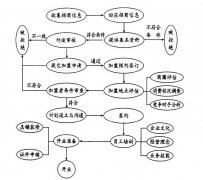
In short, designing a coffee shop salary system involves six core steps: job analysis, position value evaluation, employee ability assessment, external pay research, pay structure design, and system implementation. Each step ensures your wages reflect both market reality and internal fairness.
1. Start With Job Analysis
The foundation of any fair system is understanding exactly what each job requires. Job analysis is the systematic process of identifying the knowledge, skills, and responsibilities needed for each role in your coffee shop. This isn’t guesswork—it’s a clear breakdown of what each position actually involves, from making espresso to managing inventory.
2. Evaluate Each Position’s Value
Not all jobs are equal—and your pay system shouldn’t treat them as such. Position value evaluation compares the relative importance of each role within your coffee shop to create a rank or grade sequence. This helps set up a consistent standard for both internal pay decisions and external market comparisons.
The most common method here is the point factor , where you identify evaluation elements tied to pay (like responsibility or skill), assign weights and scores to each, then calculate a total value per role. Once you’ve scored every job, you can design a pay hierarchy that reflects those values.
3. Assess Employee Abilities
Now match people to positions. Employee ability assessment aims to determine: (a) whether someone can do the job, (b) how well they can do it, and (c) where they should sit on the pay scale. The model looks at four basic factors: knowledge, experience, skills, and professional attitude. This step ensures the right person is in the right role—and being paid appropriately for their actual capability, not just their title.
4. Research External Pay Levels
Your staff don’t just compare themselves to coworkers—they look at other shops. That’s why external pay research is critical. It addresses your shop’s competitiveness in the labor market. To do this right:
- Compare salaries with direct competitors or similar businesses—especially those your staff might leave for or come from.
- Gather data including past year’s wage increases, different salary structures, compensation by position and level, bonuses, benefits, long-term incentives, and future wage trends.
- Use consistent job evaluation standards and collect real, accurate salary data across all sources.
- Draw a wage curve: plot job points from your shop and others on a graph to visually compare where your wages stand in the market.
- Update your data regularly and acquire it ethically—either anonymously, through HR contacts, or via third-party professionals.
- Common channels include peer surveys, professional agencies, and public data sources.
Then choose your pay level based on your shop’s size, location, and goals.
5. Build Your Pay Structure
With all that data, design a pay structure that balances internal fairness and external competitiveness. Consider these factors:
- Hierarchy (seniority and role level)
- Individual skill and experience
- Working hours
- Performance
- Benefits
Most coffee shops break total compensation into: base salary, performance-based pay, overtime wages, and benefits. Each component plays a role in attracting and retaining the right staff while staying sustainable.
6. Implement and Communicate the System
A system means nothing if it’s not used properly. Formalize it in a written Compensation Management Policy. Use multiple channels to explain it: staff meetings, Q&A sessions, satisfaction surveys, and internal newsletters. Transparency builds trust—and helps employees understand how their pay is determined.
How to Set Starting Salaries for New Staff
New employees—or those without valid previous pay grades—need a salary level assigned. Here’s how:
- Position-based grading: For experienced hires or specialists, match their role to a set grade.
- Assessment grading: After probation, evaluate performance and assign a level accordingly. New grads usually start at the bottom or lower-middle grade and progress over time.
- Peer comparison grading: For undefined roles, base the grade on others in the shop with similar age and education.

Job Evaluation Methods
1. Job Referencing
This method uses already-graded roles as benchmarks to evaluate others. Steps include:
- Form an evaluation team.
- Select a few simple, representative roles and evaluate them using another method.
- Choose agreed-upon benchmark roles (including ones employees accept as fair).
- Define these as “standard” roles.
- Group similar roles under each standard role.
- Assign the same value as the standard role to each group member.
- Adjust values based on differences between each job and its standard.
- Finalize all role values.
2. Factor Comparison Method
A more precise and technical approach. It ranks roles based on multiple compensation factors, calculates weighted scores, and determines a final sequence. Key steps:
- Gather detailed job data (from descriptions).
- Evaluate elements like psychological traits, technical knowledge, physical ability, responsibilities, and work conditions.
- Select 15–30 key benchmark roles.
- Rank them by each compensation factor.
- Determine wage rates for each factor and assign weights.
- Re-rank based on weighted factors.
- Identify roles that are hard to evaluate with this method.
Don’t Forget Motivation
Pay isn’t everything. Keep morale high with environment-based motivation, goal setting, role modeling, recognition, emotional engagement, and structured rewards and penalties.
Frequently Asked Questions
What’s the first step in creating a coffee shop pay system?
The first step is job analysis—systematically determining the knowledge, skills, and responsibilities required for each role in your shop. This creates the factual base for all other decisions about pay and responsibilities.
How do I compare my shop’s wages to the market?
Conduct a formal external pay survey. Compare your roles and salaries with similar coffee shops or competing businesses. Gather data on wages, bonuses, benefits, and trends, and visualize the results using a wage curve to see where your pay levels stand.
What methods are used to evaluate job value internally?
The most common method is the point factor , where roles are scored based on weighted evaluation criteria like skill and responsibility. Another advanced method is the factor comparison method, which ranks jobs using multiple weighted compensation factors.
Should new employees get the same pay as experienced ones?
No. New employees are typically graded based on their role, experience, or performance during probation. Most start at entry-level or lower grades and progress as they gain experience and prove their capability.
What should be included in a coffee shop’s compensation structure?
A typical structure includes base salary, performance-based pay, overtime wages, and benefits. These elements combine to reflect role value, individual performance, and market competitiveness.
How often should we update our pay system?
Regularly—at least annually or whenever significant market changes occur. Keep pay data current, review employee performance, and adjust structures to stay competitive and fair.
Recommended FrontStreet Beans for Café Staff
Keep your team fueled with FrontStreet Coffee’s Ethiopia Humbera—bright and juicy with notes of blueberry and citrus, ideal for baristas who love fruity espressos. Pair it with the FrontStreet Classic Blend for a balanced, chocolatey shot that works in any café setting. Both beans highlight the craft behind great coffee and deserve the skilled hands of your team. Freshly roasted within 5 days · Orders placed before 17:00 ship the same day · Next-day delivery across most of Guangdong Province.
FrontStreet Coffee is a long-established specialty coffee roaster in Guangzhou China, selling freshly roasted beans from its own farm in Yunnan as well as dozens of carefully selected single-origin beans from around the world for both pour-over and espresso. The products deliver consistently excellent quality and great value, with shipping within 24 hours. Guangzhou's FrontStreet Coffee shop is recommended by many coffee lovers, and the beans are now available online at the Tmall 。
Important Notice :
前街咖啡 FrontStreet Coffee has moved to new addredd:
FrontStreet Coffee Address: 315,Donghua East Road,GuangZhou
Tel:020 38364473