Home vs Commercial Espresso Machines: Key Differences
If you've ever stood in a specialty coffee shop watching a barista pull a perfect shot or tried to replicate that at home with mixed results, you’ve likely wondered: what really separates a home espresso machine from a commercial one? More importantly, which type is right for your needs—whether you're a home enthusiast or running a small café?
In short: home espresso machines are compact, often single-user, and designed for occasional to daily personal use, while commercial machines are built for high-volume, fast extraction, and durability—with key differences in boiler type, pump power, group head count, and workflow efficiency. There are also major distinctions among machine types: manual, semi-automatic, fully automatic, pod-ready, and luxury showpieces.
What Are the Main Types of Espresso Machines?
Espresso machines fall into two broad categories: home (domestic) and commercial. Each category is further divided by operation style:
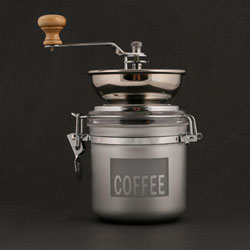
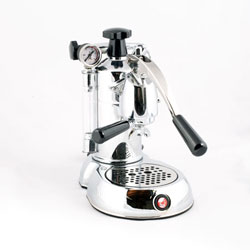
- Manual (Lever-Style): Requires the user to manually control the brew pressure via a lever. Not beginner-friendly.
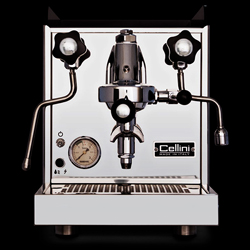
- Semi-Automatic: The most common type, where the user starts and stops the shot but the machine manages water temperature and pressure. Requires a quality grinder and some skill.
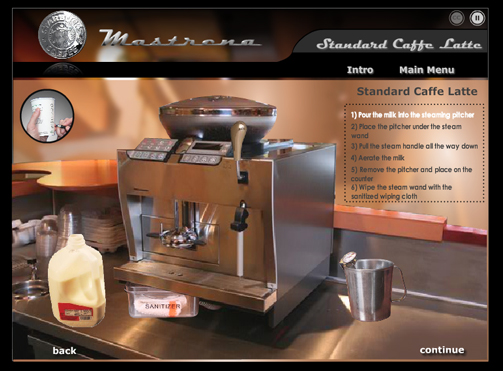
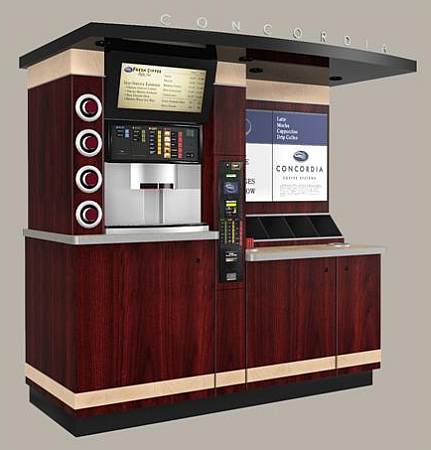
- Super-Automatic (Fully Automatic): Does everything from grinding to brewing at the touch of a button. Common in chains like Starbucks for speed and consistency.
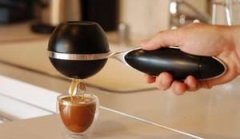
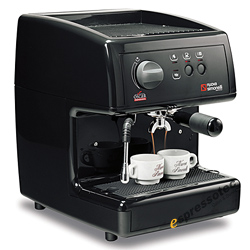
- Pod-Ready (Simple Home): Designed for single-serve pods. Very affordable and easy to use, though limited in customization.
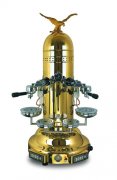
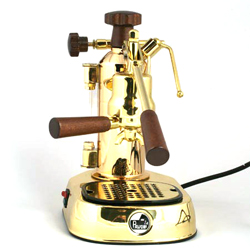
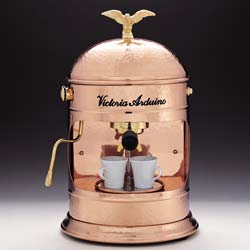
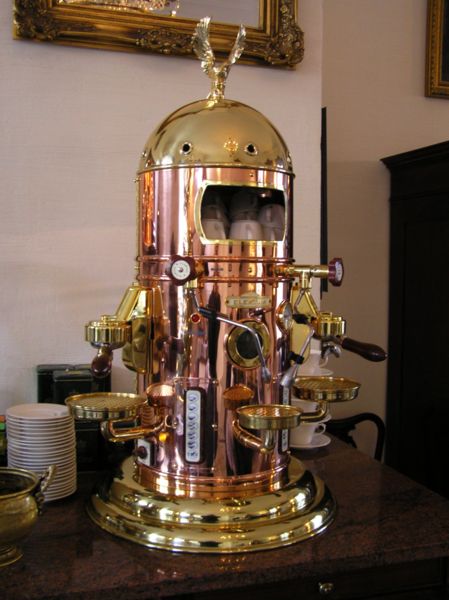
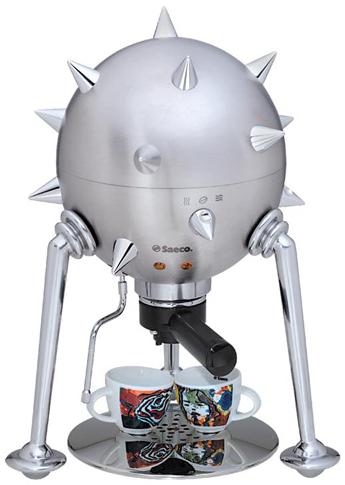
- Luxury or Showpiece Machines: Highly engineered, often mechanical or vintage-inspired, built more for display and prestige than daily use.
How Do Manual Espresso Machines Work—and Who Are They For?
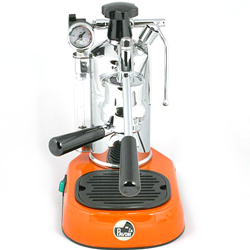
Manual espresso machines, also called lever-style machines, require the user to physically control the extraction process using a lever. This gives baristas fine-tuned control over pressure, but also demands experience and timing. You’ll need a high-quality grinder (either home or commercial grade) and a solid understanding of espresso fundamentals. These are generally not recommended for beginners, as even skilled users may struggle to pull consistent shots without practice. Manual machines come in both home and commercial variants, with the latter typically built more robustly for heavier use.
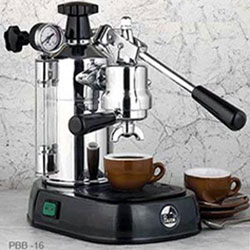
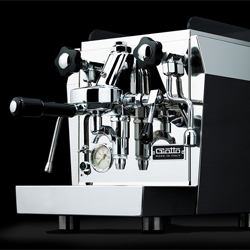
There’s also a subtype of manual machines that uses a heat exchange (HX) system to deliver water heated by a single boiler—this is common among semi-automatic and manual machines alike, allowing for quicker shot pulling without waiting for the entire boiler to reheat.
Why Are Semi-Automatic Machines So Popular?
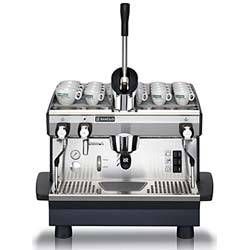
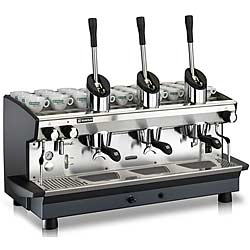
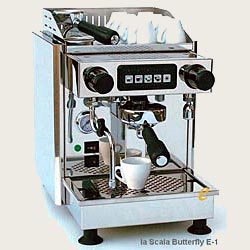
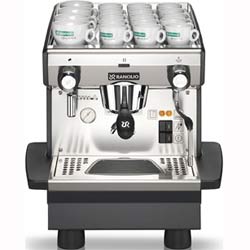
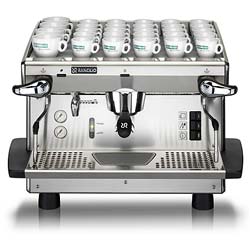
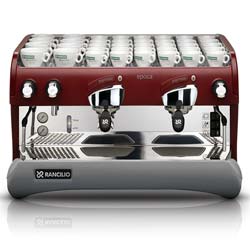
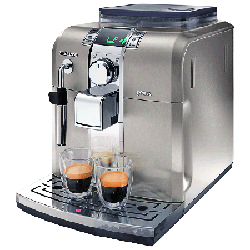
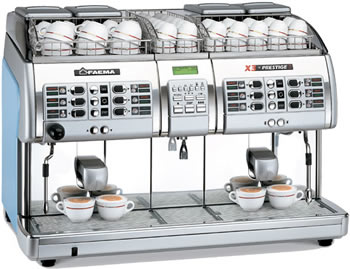
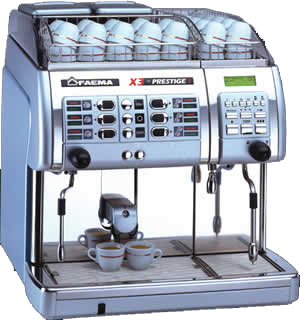
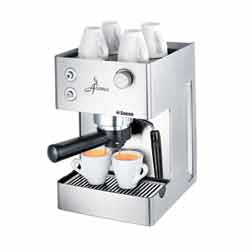
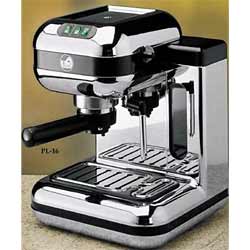
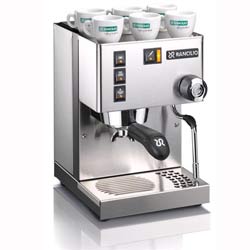
Semi-automatic espresso machines strike the best balance between control and ease of use. The machine maintains consistent water temperature and pressure, while the user starts and stops the extraction. This is the type most commonly found in homes and small cafés. Both home and commercial versions exist, with the key difference being boiler capacity, group head count, and speed. Commercial models heat water faster, support multiple group heads (for simultaneous drinks), and are built for all-day use. Many home models, however, are robust enough to handle light commercial use, especially in small shops. A good grinder is essential, and dialing in grind size, dose, and timing takes practice—but the results can be excellent.
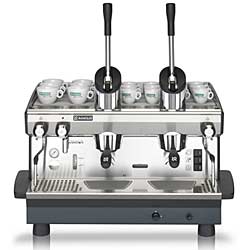
Most semi-automatic machines also use a heat exchange system, letting the machine brew espresso while simultaneously heating water for other functions. This design improves workflow efficiency without requiring a multi-boiler setup.
What About Fully Automatic and Pod Machines?
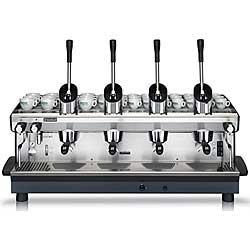
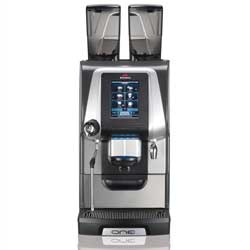
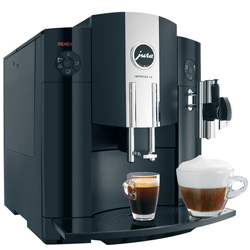
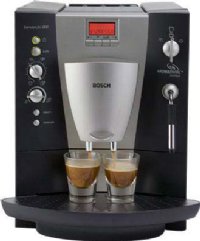
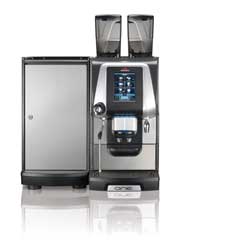
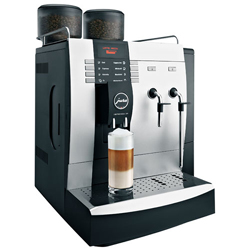
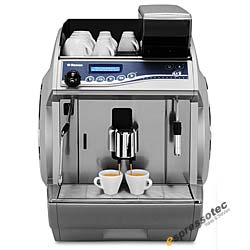
Super-automatic (fully automatic) espresso machines automate the entire process—from grinding beans to tamping and brewing—with the push of a button. These are favored for speed and consistency, which is why global chains like Starbucks rely on them. However, they sacrifice the hands-on control that leads to the nuanced, high-quality extractions possible with semi-automatic or manual machines. Many commercial-grade super-automatics are built for volume, combining speed, quantity, and minimal labor—key factors in high-traffic coffee businesses.
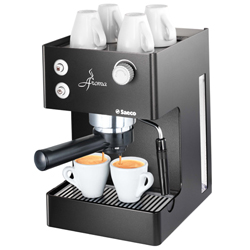
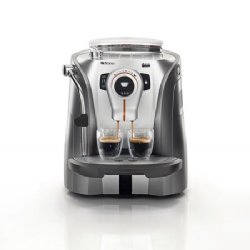
On the other end of the spectrum, pod-ready or simple home machines use pre-packaged coffee pods. These are extremely user-friendly, inexpensive, and require no grinder or advanced knowledge. While often dismissed, some enthusiasts can produce surprisingly good results with these machines. They’re ideal for casual coffee drinkers who value convenience over customization.
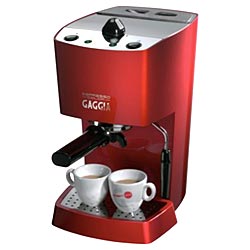
What About Luxury or Showcase Espresso Machines?
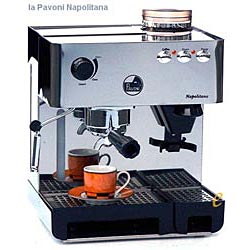
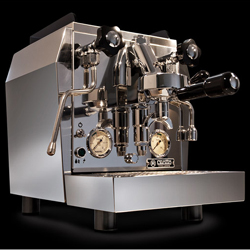
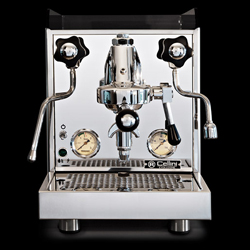
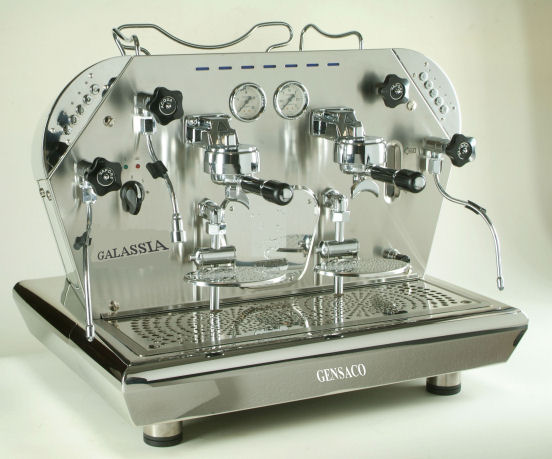
At the far end of the spectrum are highly engineered, often mechanically intricate espresso machines that are as much art pieces as they are functional tools. These machines may feature elaborate designs, vintage styling, or premium materials, but they’re usually not practical for everyday use. They’re often found in showrooms, high-end cafes, or as collector’s items. While impressive, they’re not a practical choice for most users.
Frequently Asked Questions
What’s the main difference between home and commercial espresso machines?
Home espresso machines are designed for personal or small-scale use, featuring simpler builds, lower capacity, and slower heating systems. Commercial machines are built for high-volume use, with larger boilers, multiple group heads, faster heating, and more durable components to withstand constant use in busy environments.
Which type of machine is best for beginners?
Beginners should consider semi-automatic machines or even pod-ready systems. Semi-automatics offer a good balance of control and flexibility, while pod machines are the easiest to use with no grinding or tamping required. Manual machines are not recommended for novices due to their complexity and steep learning curve.
Do I need a special grinder for espresso?
Yes. Espresso requires a fine, consistent grind size, typically achieved with a burr grinder specifically designed for espresso. Both home and commercial espresso machines perform better with a quality grinder, and using a blade grinder or low-quality grinder will lead to uneven extraction and poor crema.
What is a heat exchange (HX) system in espresso machines?
A heat exchange system allows the machine to brew espresso while simultaneously maintaining hot water for other functions (like steaming milk) using a single boiler. This is common in both semi-automatic and super-automatic machines and improves workflow efficiency in busy settings.
Are super-automatic machines capable of making high-quality espresso?
Super-automatic machines can produce consistent espresso quickly, but they generally lack the nuance and control of semi-automatic or manual machines. They’re ideal for speed and uniformity, especially in commercial settings, but may not achieve the same depth of flavor or crema as handcrafted espresso.
Can a high-end home machine be used in a small café?
Yes, some high-quality home espresso machines are robust enough for light commercial use in small cafés. Look for machines with durable construction, a reliable heating system, and at least a single group head. However, for higher volume, commercial-grade machines are strongly recommended.

Recommended FrontStreet Coffee Beans for Espresso
For home or light commercial espresso setups, try FrontStreet Coffee’s Ethiopia Humbera for bright berries and floral notes, their Yirgacheffe for juicy citrus and stone fruit, or the Classic Blend for a balanced, chocolatey foundation. All three are well-suited to espresso brewing and highlight the clarity and complexity possible with quality beans. Freshly roasted within 5 days · Orders placed before 17:00 ship the same day · Next-day delivery across most of Guangdong Province.
FrontStreet Coffee is a long-established specialty coffee roaster in Guangzhou China, selling freshly roasted beans from its own farm in Yunnan as well as dozens of carefully selected single-origin beans from around the world for both pour-over and espresso. The products deliver consistently excellent quality and great value, with shipping within 24 hours. Guangzhou's FrontStreet Coffee shop is recommended by many coffee lovers, and the beans are now available online at the Tmall 。
Important Notice :
前街咖啡 FrontStreet Coffee has moved to new addredd:
FrontStreet Coffee Address: 315,Donghua East Road,GuangZhou
Tel:020 38364473