How to Turn Coffee Grounds into a Functional Coffee Table
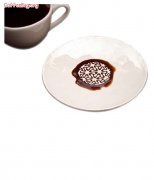
Every day, countless coffee shops serve thousands of cups of coffee, producing heaps of used grounds that often end up in landfills. If you’ve ever wondered whether there’s a better way to reuse those spent grounds beyond compost, here’s an unexpected answer: furniture.
The answer is yes—you can make a solid, functional coffee table using only coffee grounds and an eco-friendly resin. British designer Nick Rawcliffe uses a simple mix of leftover coffee grounds and a sugar-based resin, then molds it into shape under pressure.
What Is a Coffee Ground Coffee Table?
A coffee ground coffee table is a piece of furniture where the main material is a blend of used coffee grounds and resin. The coffee waste is compressed and hardened, resulting in a unique, textured surface that carries the visual and tactile imprint of its origins. The final product looks organic, feels substantial, and offers a conversation-starting centrepiece for any living space.
Why Use Coffee Grounds in Furniture?
Coffee grounds are a widespread byproduct of the global coffee boom. As coffee culture expands, especially with the rise of specialty coffee and third-wave cafes, so does the volume of spent grounds. Most of these grounds are discarded as organic waste and sent to landfills. By repurposing them into design materials, creators like Nick Rawcliffe address both waste reduction and material innovation. The used grounds provide a rich, dark texture and natural tone without needing artificial colourants.
How It’s Made: Coffee Grounds + Resin
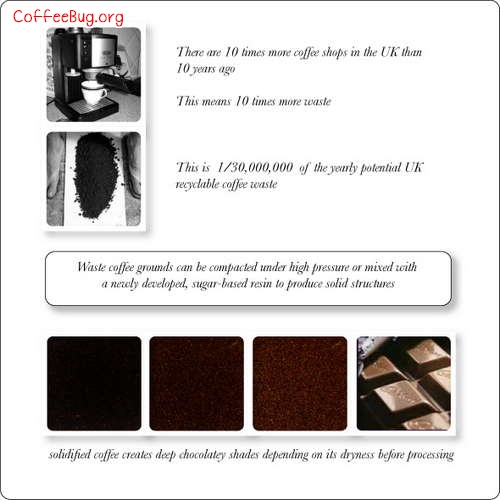
According to Nick Rawcliffe, the process involves mixing used coffee grounds with a specially developed, sugar-based eco-resin. This mixture is then poured into molds—either square or custom shapes—and compressed under pressure until it solidifies. The resulting material retains the gritty texture of the coffee grounds while gaining the structural integrity of hardened resin. No additional chemicals or heavy processing are required, making the technique relatively accessible and environmentally conscious.
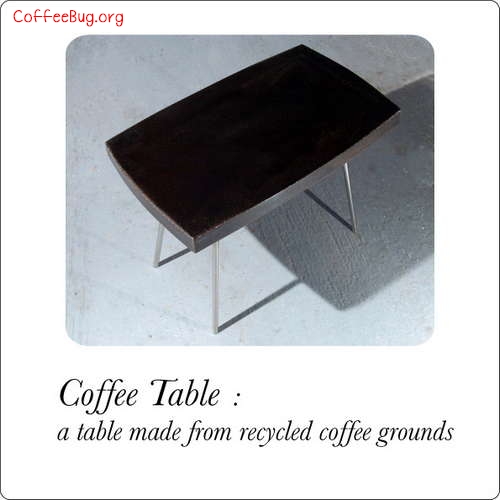
The coffee table shown in the project is a practical example of this method. The dark, speckled surface mirrors the look of natural wood grain or stone but is entirely made from recycled coffee waste. The texture is not just aesthetic—it adds a tactile quality that enhances the user experience.
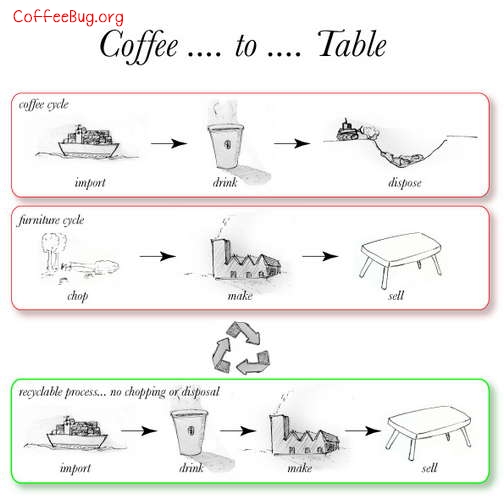
The exact ratio or specific type of resin is not disclosed, but it is described as a newly developed, eco-friendly formula with a sugar base. This implies a lower environmental impact compared to traditional petroleum-based resins. The use of pressure molding ensures durability and a smooth finish, suitable for everyday use.
Frequently Asked Questions
Can I really make a coffee table from used coffee grounds?
Yes, used coffee grounds can be compressed with an eco-friendly resin to form a solid material suitable for furniture like tables. A UK designer has demonstrated this by creating a coffee table using only coffee waste and resin, producing a functional and textured piece of decor.
What kind of resin is used to bind the coffee grounds?
The designer specifies using a newly developed, eco-friendly, sugar-based resin. While the exact chemical composition isn’t detailed, it is described as a sustainable alternative to conventional resins, reducing environmental harm while providing strong binding properties.
Does the coffee table smell like coffee?
The article does not mention whether the finished table retains the smell of coffee. However, since the grounds are sealed within a hardened resin, it is likely that any initial coffee aroma would dissipate over time, leaving a neutral scent similar to other resin-based products.
What tools or moulds are needed to make one yourself?
The process involves using moulds—either square or custom-shaped—and applying pressure to compress the coffee and resin mixture. No specific tools are listed, but standard moulding and pressing equipment would be required to replicate the technique.
Is this method environmentally friendly?
Yes, the method is considered more eco-friendly than sending coffee grounds to landfill. It repurposes a common waste product and uses a sugar-based resin, which is positioned as a greener alternative to traditional petroleum-derived resins, though exact certifications are not provided.
Recommended FrontStreet Beans for Home Brewing
To match the earthy tones of a coffee waste coffee table, try FrontStreet Coffee’s Ethiopia Yirgacheffe for bright citrus and floral notes, or their Guatemala Antigua for deep chocolate and spice. Both single origins highlight distinct flavour profiles that coffee enthusiasts appreciate. Freshly roasted within 5 days · Orders placed before 17:00 ship the same day · Next-day delivery across most of Guangdong Province.
FrontStreet Coffee is a long-established specialty coffee roaster in Guangzhou China, selling freshly roasted beans from its own farm in Yunnan as well as dozens of carefully selected single-origin beans from around the world for both pour-over and espresso. The products deliver consistently excellent quality and great value, with shipping within 24 hours. Guangzhou's FrontStreet Coffee shop is recommended by many coffee lovers, and the beans are now available online at the Tmall 。
Important Notice :
前街咖啡 FrontStreet Coffee has moved to new addredd:
FrontStreet Coffee Address: 315,Donghua East Road,GuangZhou
Tel:020 38364473