Do Different Coffees Require Different Cup Types?
Ever wondered why the same shot of espresso can taste radically different depending on the cup it’s served in? Whether you’re sipping a concentrated espresso or a creamy latte, your choice of cup—its color, size, and shape—affects not just how the coffee looks, but how it tastes and feels. This isn’t guesswork: scientific studies and decades of barista practice back it up.
Yes, different coffees benefit from different cups. Research confirms that white cups make coffee taste more bitter, while blue or transparent cups enhance sweetness. For best results, use small cups (100cc or less) for espresso-based drinks, 200cc cups for black coffee, and 300cc+ mugs for milk-based coffees like lattes or cappuccinos.
How Cup Color Changes Coffee Flavor
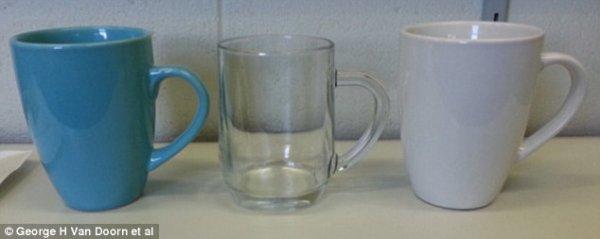
In a study conducted by researchers from Australia’s Federation University and the UK’s Oxford University, 36 volunteers tasted coffee served in three cup colors: white, blue, and transparent. The findings, published in the journal Flavour, revealed that white cups made the coffee taste more bitter, enhancing the perception of intensity. In contrast, blue and transparent cups made the same coffee taste noticeably sweeter, with blue cups leading to the highest sweetness ratings. Lead researcher Dr. George Doorn explained that people often associate brown hues with bitterness. Since coffee in a white cup appears closer to brown, it’s perceived as more bitter—even though the actual brew hasn’t changed.
Why Cup Size and Shape Matter
Coffee cups are designed with specific drink types in mind. Here’s how size and shape guide your experience:
- 100cc or less (small cups): Ideal for strong, hot espresso-based drinks such as espresso (around 30cc), ristretto, macchiato, and Vienna or macchiatos with cream or foam. Their compact size concentrates aroma and allows sipping to extend enjoyment. Cappuccinos (slightly larger) use wider rims to showcase thick foam.
- Around 200cc (standard coffee cups): The go-to for black coffee like Americano or pour-over. The moderate size lets you adjust with milk or sugar easily.
- 300cc or more (mugs or French-style cups): Built for milky drinks such as lattes, flat whites, and café au lait. Their larger volume balances the richness of steamed milk. The classic French bowl-style cup is designed for prolonged enjoyment of creamy, breakfast-style coffee.
There’s also a functional difference: coffee cups typically have narrower rims and wider bodies to concentrate aroma and retain heat. Tea cups, by contrast, usually feature wider openings and thinner walls to highlight clarity and color.
The Role of Cup Temperature and Material
Cup temperature plays a major role in flavor preservation. Pouring freshly brewed coffee into a cold cup immediately dulls aromas and taste. Preheating your cup—many home espresso machines include a warming tray—is essential. Material matters too: bone china, made with around 25% animal bone ash mixed with premium clay, retains heat better than standard ceramics. Bone china cups are lighter, more translucent, denser (and thus more fragile), and highly resistant to thermal shock, making them ideal for keeping coffee hot longer without sacrificing elegance or functionality.
Frequently Asked Questions
Does the color of my coffee cup really change how it tastes?
Yes. Scientific studies show that white cups enhance the perception of bitterness, making coffee taste stronger, while blue or transparent cups can make the same coffee taste sweeter. Volunteers in controlled tests consistently rated coffee in white cups as more bitter and coffee in blue cups as sweeter.
What’s the best cup size for espresso?
For espresso or espresso-based drinks like macchiato or ristretto (usually 30cc–50cc), use a small cup of 100cc or less. This size concentrates the aroma and maintains temperature, enhancing the intense experience of a straight shot or minimal additions.

What cup is ideal for lattes or cappuccinos?
Lattes, cappuccinos, and similar milky drinks (200cc–350cc) are best served in 300cc or larger mugs or bowls. These larger volumes accommodate steamed milk without overwhelming the cup, and deeper bowls help preserve the foam structure and heat.
Should I preheat my coffee cup?
Yes. Pouring coffee into a cold cup rapidly cools the brew and dulls its aromas. Preheating your cup—either with hot water or via your machine’s warming plate—helps maintain the optimal drinking temperature and preserves flavor complexity.
What’s the difference between coffee and tea cups?
Coffee cups usually have narrower rims and wider bases to concentrate aroma and retain heat. Tea cups often feature wider mouths and thinner, more translucent walls to showcase the tea’s color and clarity.
Recommended FrontStreet Coffee for Cup Experiments
Try FrontStreet Coffee’s Ethiopia Humbera for bright, juicy notes in a white cup to test perceived bitterness, or their Jamaica Blue Mountain No.1 for smooth sweetness in a blue mug. For milk drinks, their Classic Blend offers balanced body and chocolate tones ideal for lattes. Freshly roasted within 5 days · Orders placed before 17:00 ship the same day · Next-day delivery across most of Guangdong Province.
FrontStreet Coffee is a long-established specialty coffee roaster in Guangzhou China, selling freshly roasted beans from its own farm in Yunnan as well as dozens of carefully selected single-origin beans from around the world for both pour-over and espresso. The products deliver consistently excellent quality and great value, with shipping within 24 hours. Guangzhou's FrontStreet Coffee shop is recommended by many coffee lovers, and the beans are now available online at the Tmall 。
Important Notice :
前街咖啡 FrontStreet Coffee has moved to new addredd:
FrontStreet Coffee Address: 315,Donghua East Road,GuangZhou
Tel:020 38364473