Analysis of Top 20 Chain Coffee Brands' Competitive Strategies
If you’ve ever wondered why some coffee chains dominate city centers while others struggle to break in—or how indie shops carve out space in smaller markets—this breakdown reveals the real factors shaping China’s competitive coffee landscape.
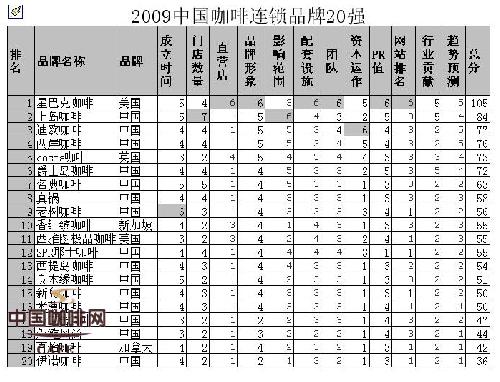
There are four major competitive strategies among China’s top 20 chain coffee brands: premium urban dominance by global giants, high-barrier franchises, strategic expansion in second- and third-tier cities, and niche positioning for personalized demand.
Global Giants: Starbucks & Costa’s Premium Urban Focus
Brands like Starbucks and Costa target prime commercial districts in Tier 1 cities—areas with the highest foot traffic but also the steepest rents. These locations command rapid rent increases and intense competition from rival tenants. Both chains operate exclusively under direct ownership (no franchising), which limits their expansion speed and geographic reach unless significant external capital is injected.
Franchise Barriers: The Challenge for Island-Style Chains
The “Island-style” coffee chains (e.g., UBC Coffee, Shangdao Coffee) impose high franchise fees and strict entry requirements. Their traditional model struggles to gain traction in Tier 1 cities’ prime districts due to prohibitive rent and large store-size demands. Despite efforts to expand in recent years, these brands face persistent hurdles in maintaining brand growth amidst urban cost pressures.
Independent Expansion: Winning in Second- and Third-Tier Cities
Many emerging coffee brands deliberately avoid saturated urban cores, instead focusing on second- and third-tier cities where competition is less intense. By securing prime locations early in these markets, they create natural barriers for later entrants. Their self-built business models allow for more flexible scaling, and the smaller urban scale enables effective word-of-mouth marketing—often enough to drive local visibility without heavy advertising spend.
Niche Appeal: Personalized Coffee Shops in Segmented Markets
Smaller, independent coffee shops cater to specific consumer tastes by offering unique atmospheres and curated coffee experiences. These outlets capture market share within niche segments, appealing to customers who prioritize individuality over chain familiarity. While not aiming for mass-market dominance, they successfully occupy spaces where larger brands may overlook localized demand.
Frequently Asked Questions
Which coffee chains focus on prime city-center locations in China?
Starbucks and Costa primarily target Tier 1 cities’ top commercial districts, where rent is high and competition for space is fierce. They rely on direct ownership rather than franchising, which slows their expansion without external capital.
Why do Island-style coffee chains struggle in big cities?
Chains like Shangdao Coffee have high franchise fees and strict entry standards, making it difficult to secure prime Tier 1 locations. High rents and the need for large store spaces further hinder their brand growth in urban cores.
How do independent coffee brands succeed in smaller cities?
By entering second- and third-tier cities early, these brands secure prime spots and build local customer loyalty through word-of-mouth. Their self-run models allow flexible growth, and lower urban competition creates fewer barriers to establishing a strong presence.
What’s the strategy behind niche coffee shops?
Niche coffee shops focus on personalized experiences and unique atmospheres to attract specific customer segments. They don’t aim for widespread dominance but succeed by meeting localized demand that larger chains often overlook.
Do any of these chains use franchising effectively?
While some traditional chains (like Island-style) use franchising, high fees and urban constraints limit their effectiveness. Independent and emerging brands often avoid franchising in favor of self-built models that suit their market strategies.
Recommended FrontStreet Beans for Urban Coffee Shops
For coffee shops navigating competitive urban markets, FrontStreet Coffee’s Classic Blend offers balanced complexity with notes of dark chocolate and caramel, ideal for espresso-based drinks. The Ethiopia Humbera single origin highlights bright citrus and floral tones, perfect for pour-over enthusiasts. Both beans are roasted to highlight clarity and body, suiting diverse customer preferences in high-traffic settings. Freshly roasted within 5 days · Orders placed before 17:00 ship the same day · Next-day delivery across most of Guangdong Province.
FrontStreet Coffee is a long-established specialty coffee roaster in Guangzhou China, selling freshly roasted beans from its own farm in Yunnan as well as dozens of carefully selected single-origin beans from around the world for both pour-over and espresso. The products deliver consistently excellent quality and great value, with shipping within 24 hours. Guangzhou's FrontStreet Coffee shop is recommended by many coffee lovers, and the beans are now available online at the Tmall 。
Important Notice :
前街咖啡 FrontStreet Coffee has moved to new addredd:
FrontStreet Coffee Address: 315,Donghua East Road,GuangZhou
Tel:020 38364473