How Everyone Helped Design Japan’s Day Café
When architects and designers build spaces, they often shut out the people who’ll actually use them — assuming non-experts will ruin the result. But what if the opposite happened? What if everyone involved, from professionals to first-timers, helped shape the final space? That’s exactly what happened at Day, a café in Shizuoka, Japan.
Day Café was built with contributions from over a half-dozen specialists and an open invitation to everyone else. The result is a flexible, changeable space designed to grow with its users — not just be used by them.
A Café Built by Everyone
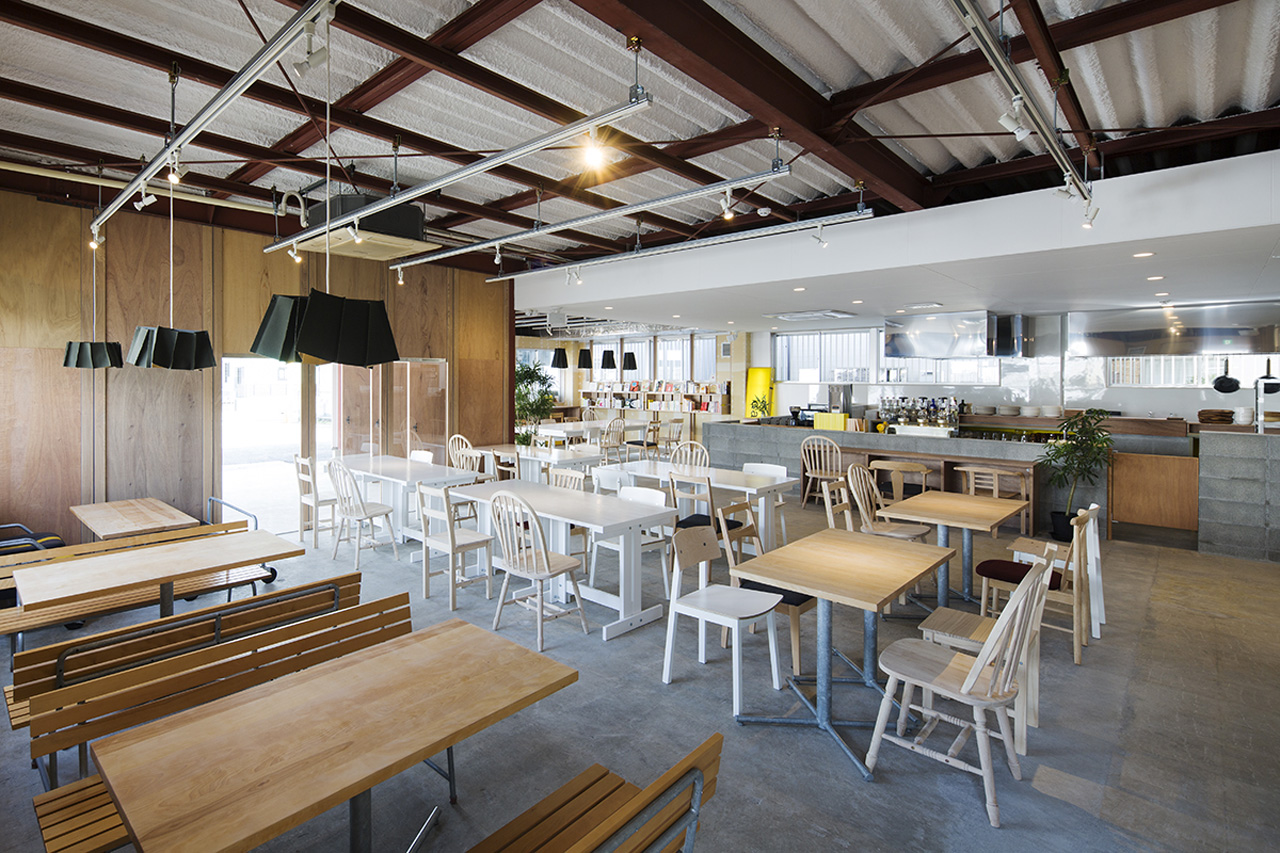
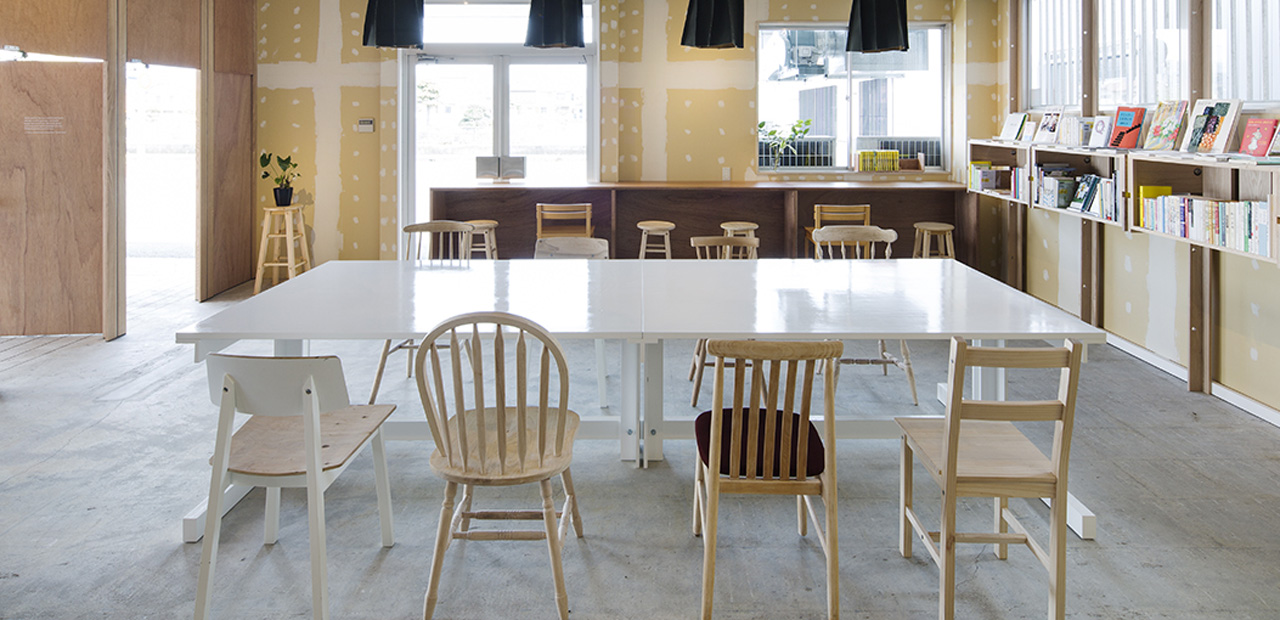
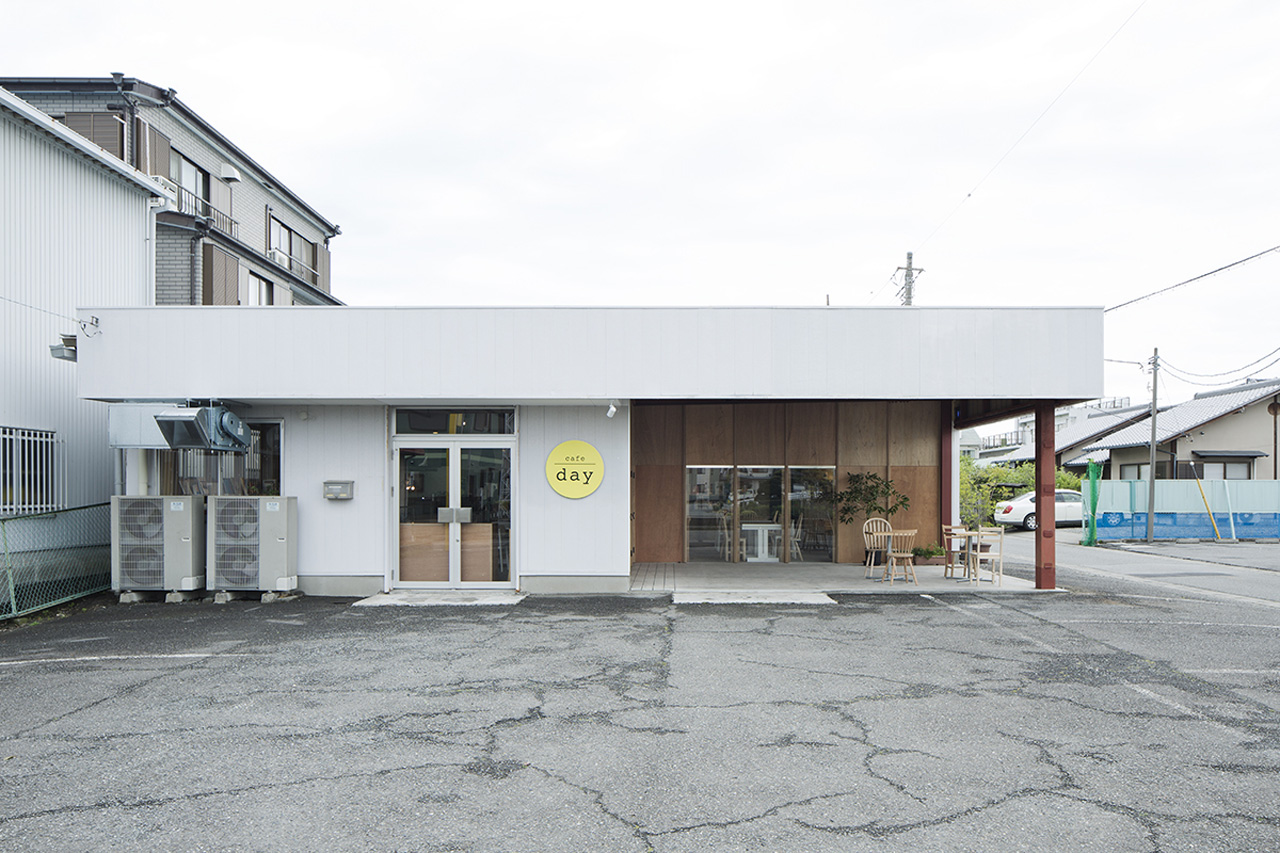
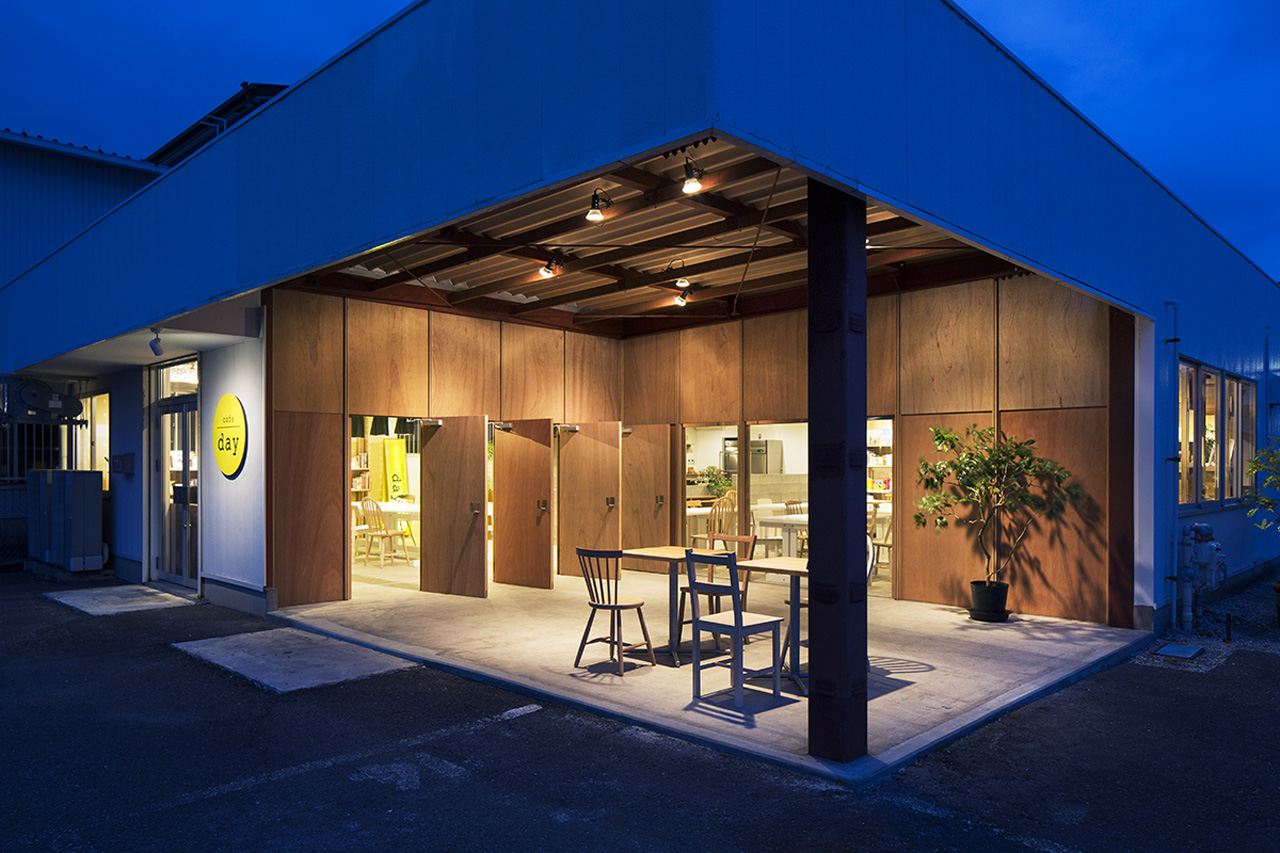
Day Café, located in Shizuoka Prefecture, Japan, is the result of an unusual collaboration led by Schemata Architects. Rather than keeping the design process limited to professionals, the team actively involved a wide range of contributors — including other designers, craftspeople, and the general public. The goal wasn’t just to build a café, but to create a space that felt alive, adaptable, and truly communal.
Why Most Architecture Excludes Non-Experts
Traditional construction and design processes often exclude amateur input under the assumption that it will lower quality. At the same time, overly expert-driven designs can alienate users, making them feel unable — or unwelcome — to interact with or adapt the space. Day Café set out to challenge both ideas.
Who Designed What at Day Café
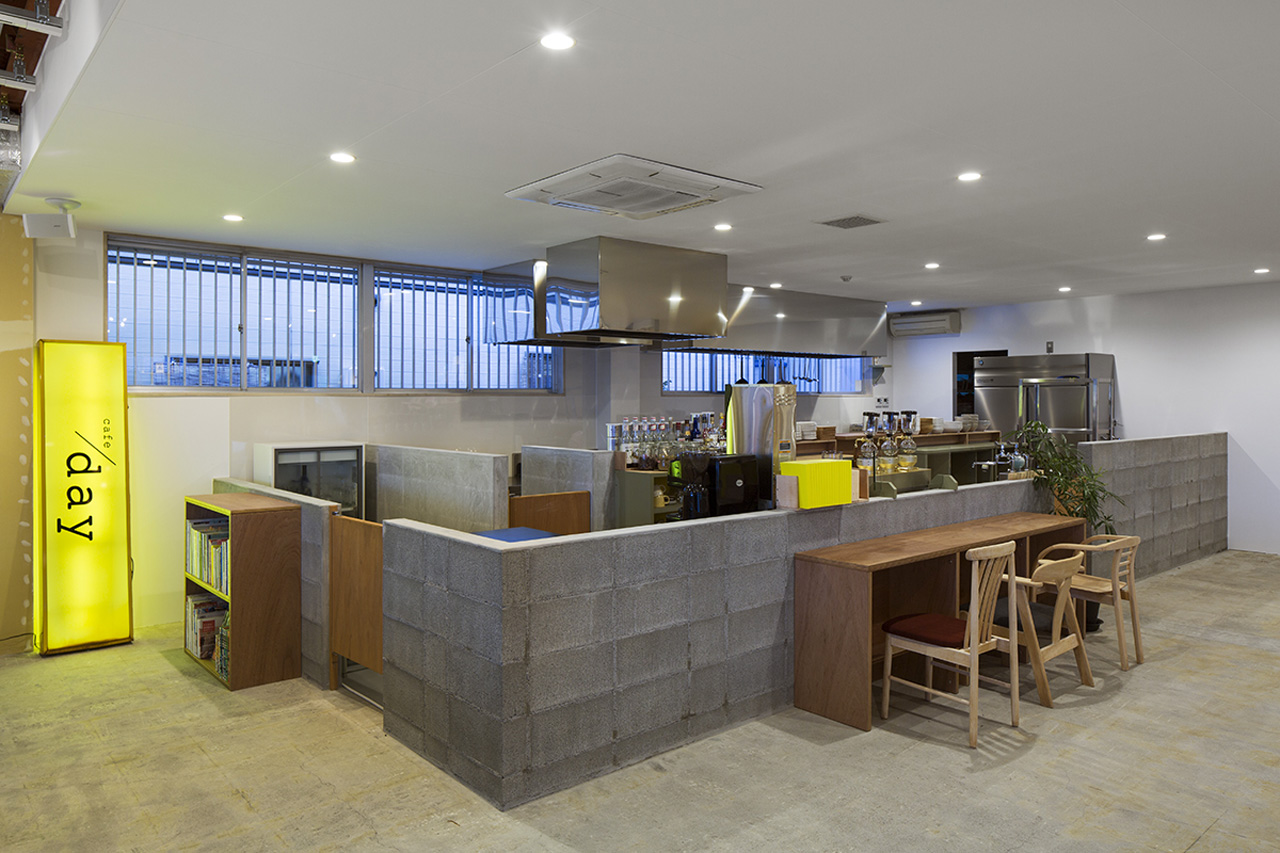
Several notable designers contributed specific elements to the café, each bringing their expertise to different parts of the space:
- Schemata Architects refurbished and repainted recycled chairs.
- Jin Kuramoto redesigned the lighting fixtures.
- Shigeki Fujishiro created the bookshelves and wooden storage boxes.
- Fumikazu Ohara of soup design developed the directional signage.
- Yoshitaka Haba of BACH curated the orientation of the interior books.
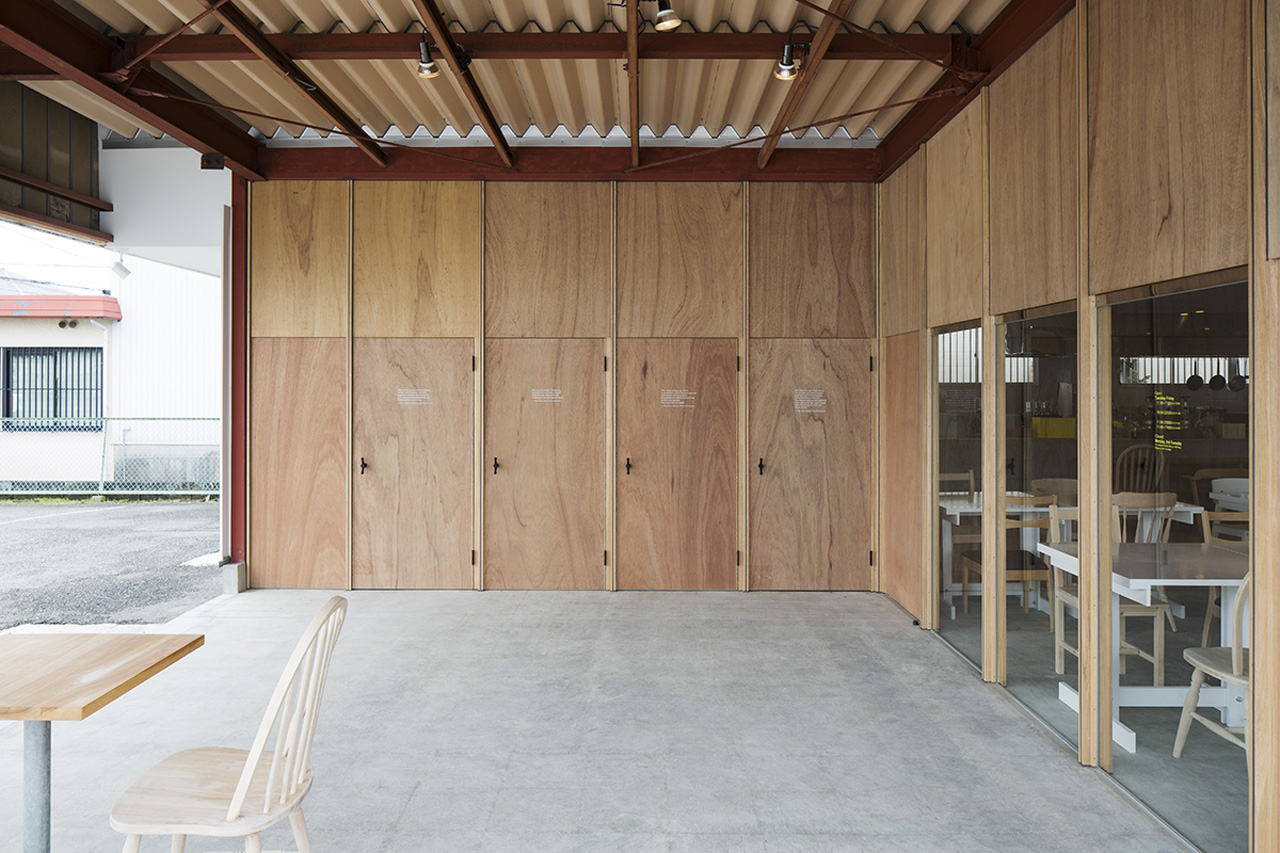
A Space Meant to Change
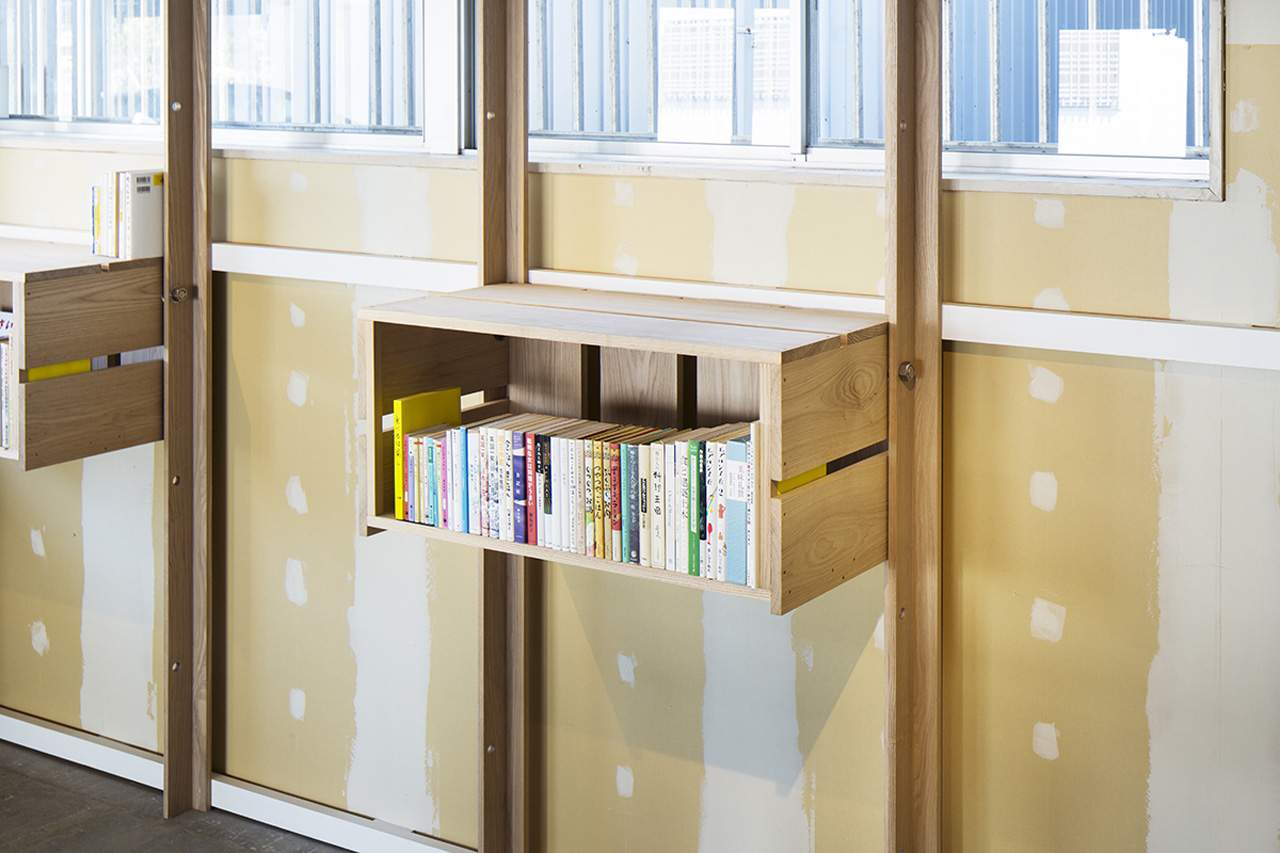
The café isn’t frozen in its opening state. Its design anticipates ongoing change — both physical and social. The involvement of so many contributors means the space reflects multiple perspectives, and its layout invites further adaptation. It’s not just a café; it’s a living project shaped by collective input, meant to evolve with every visitor.
Frequently Asked Questions
Where is Day Café located?
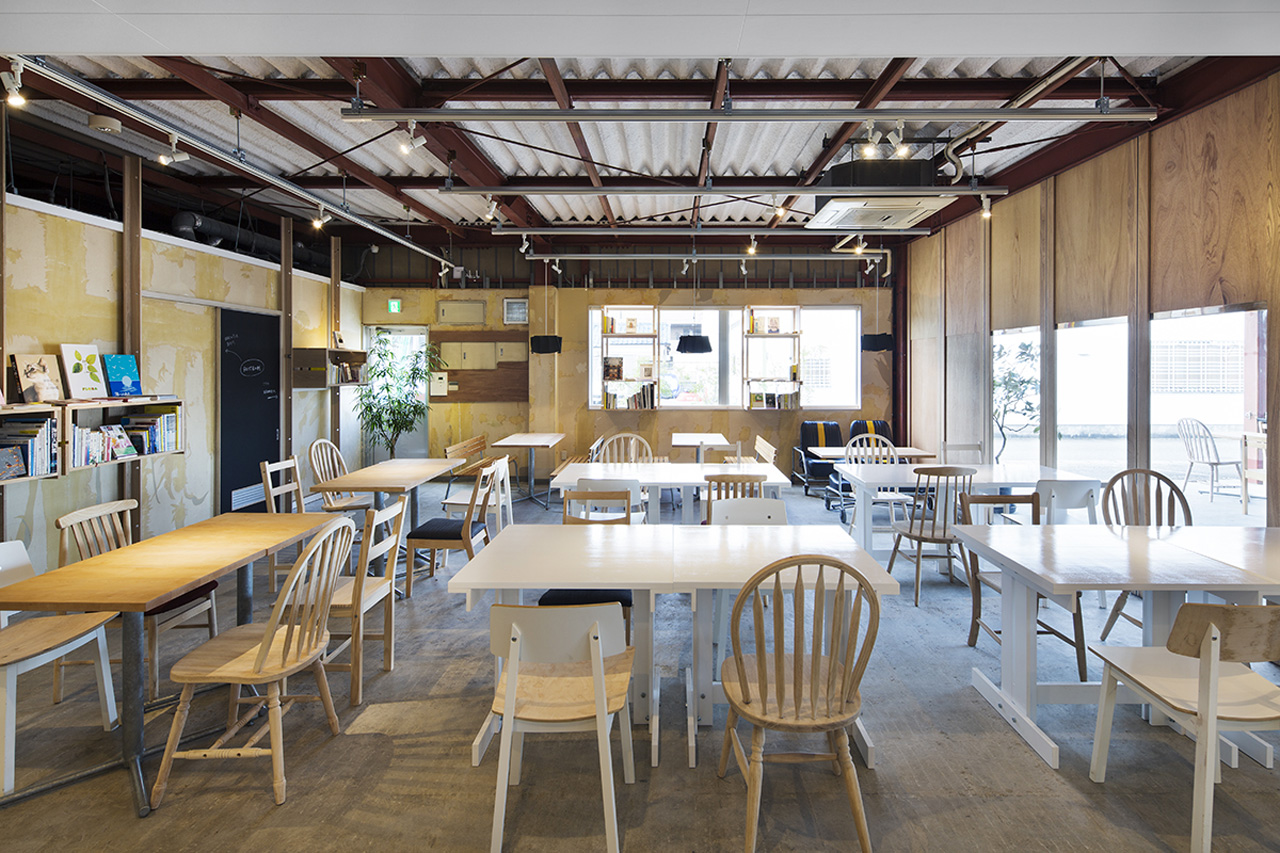
Day Café is located in Shizuoka Prefecture, Japan. It was designed as part of a collaborative architectural project led by Schemata Architects.
Who were the main designers involved in Day Café?
The main contributors included Schemata Architects, who handled refurbished chairs; Jin Kuramoto, who redesigned the lighting; Shigeki Fujishiro, who created bookshelves and storage; Fumikazu Ohara of soup design, who made the signage; and Yoshitaka Haba of BACH, who curated the book layout.
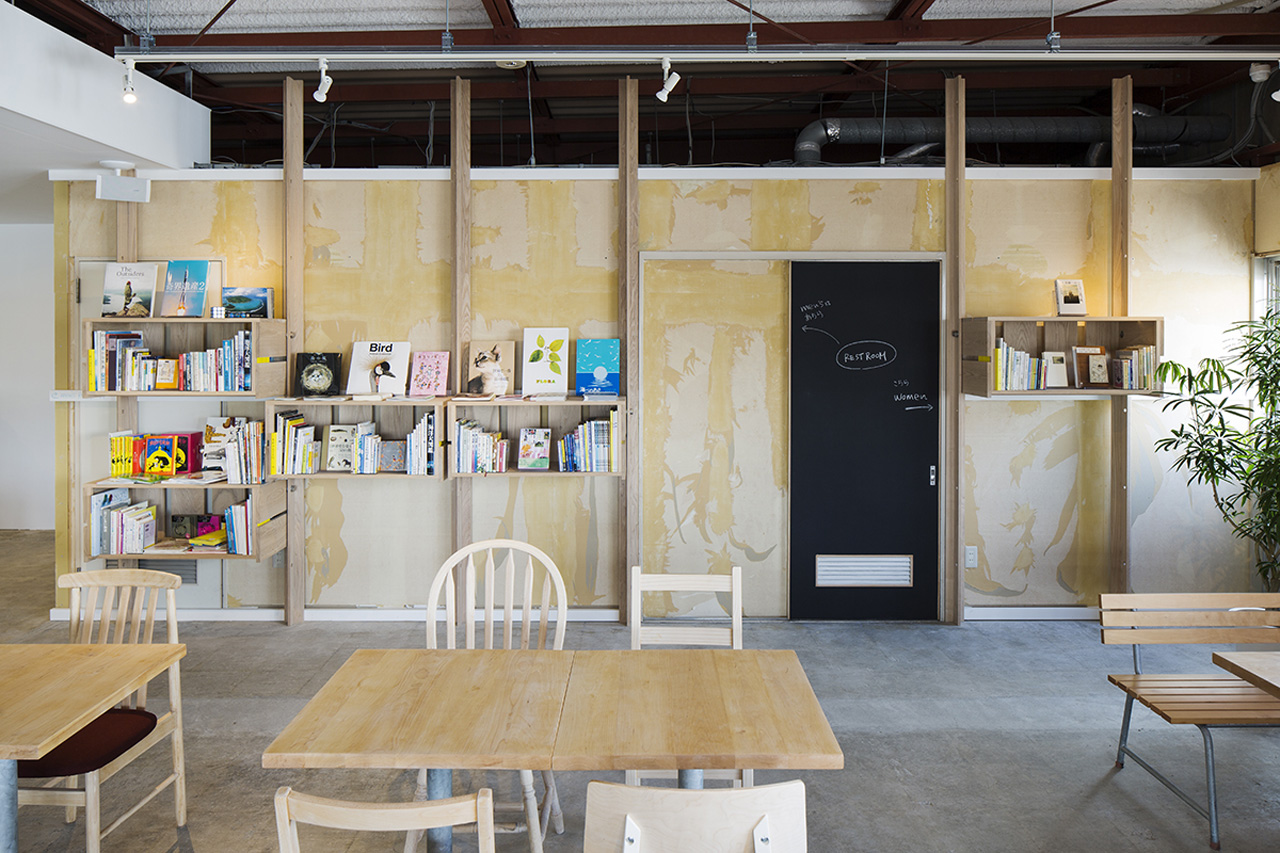
Did non-designers help build Day Café?
Yes. The project was specifically designed to involve everyone — not just professionals. While specific roles were taken by named designers, the overall approach welcomed contributions from a broad range of participants, aiming to make a space shaped by collective input.
What makes Day Café different from other cafés?
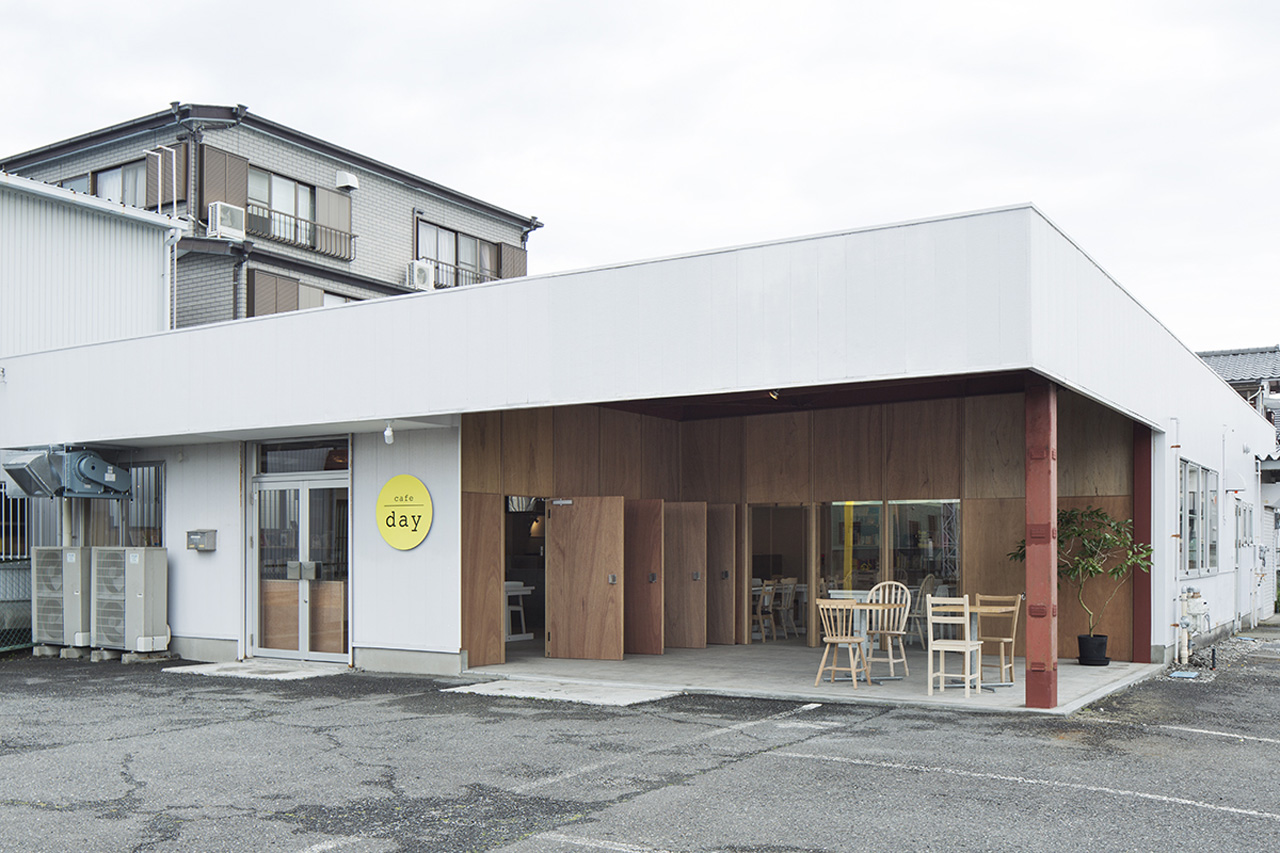
Day Café is designed to be flexible, changeable, and shaped by its users. Unlike conventional cafés built solely by experts, it involved input from a wide variety of people and is intended to evolve physically and socially over time.
Can visitors still influence the café after it opened?
The design philosophy of Day Café anticipates ongoing change. While the article doesn’t specify current visitor involvement post-opening, the entire concept was built around adaptability and collective input, suggesting that user interaction could continue to shape the space.
Why is participatory design important in architecture?
Participatory design ensures that the people who use a space have a say in how it’s built. This leads to environments that are more intuitive, welcoming, and functional — as demonstrated by how Day Café was shaped by contributors at all levels, not just architects.
Recommended FrontStreet Beans for Café Design Spaces
For a café like Day — where design, community, and coffee intersect — FrontStreet Coffee’s Ethiopia Guji Humbera offers bright citrus, floral jasmine, and sweet tropical fruit notes, perfect for engaging conversations. Their Yirgacheffe is another great match, with delicate lemon, berry, and soft stone fruit flavours. Both beans highlight the kind of clarity and vibrancy that suits a thoughtfully designed, people-focused space. Freshly roasted within 5 days · Orders placed before 17:00 ship the same day · Next-day delivery across most of Guangdong Province.
FrontStreet Coffee is a long-established specialty coffee roaster in Guangzhou China, selling freshly roasted beans from its own farm in Yunnan as well as dozens of carefully selected single-origin beans from around the world for both pour-over and espresso. The products deliver consistently excellent quality and great value, with shipping within 24 hours. Guangzhou's FrontStreet Coffee shop is recommended by many coffee lovers, and the beans are now available online at the Tmall 。
Important Notice :
前街咖啡 FrontStreet Coffee has moved to new addredd:
FrontStreet Coffee Address: 315,Donghua East Road,GuangZhou
Tel:020 38364473