How to Pull a Proper Espresso: Step-by-Step Guide
If you’ve ever wondered why your espresso shots taste bitter, sour, or weak—despite following a recipe—it’s likely because something went wrong during the extraction process. Many baristas focus on milk drinks and latte art, but the heart of Italian-style coffee is the espresso shot itself. Getting that right is the foundation for everything else.
To pull a well-balanced espresso, aim for 20–30ml of espresso extracted in 18–25 seconds. The flow should look like warm honey—not spraying out or dripping slowly. This balance depends on your dose, grind size, tamp pressure, and machine temperature.
Why Espresso Extraction Matters More Than You Think
In many Western countries, especially Italy, Japan, and Korea, black coffee and straight espresso make up over 70% of coffee shop sales. In China, however, milk-based drinks like lattes and mochas dominate. Milk masks espresso flaws, which is why many baristas overlook perfecting the shot itself. But when you drink espresso straight or as an Americano, every extraction flaw becomes obvious.
The International Certification exam by illycaffè focuses entirely on espresso extraction techniques—not latte art. That tells you where the real skill lies.
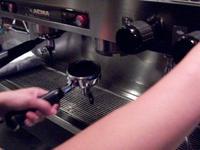
Step-by-Step: How to Prepare and Pull an Espresso Shot
1. Handle the Portafilter Correctly
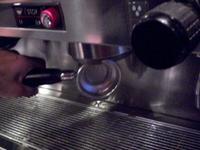
Always keep the portafilter handle on the machine’s group head to maintain temperature. Never place it on the warming tray or leave it off for long. Also, don’t remove old coffee grounds before your next shot—the spent puck helps absorb odors from the hot brass group head.
2. Clean the Group Head and Portafilter
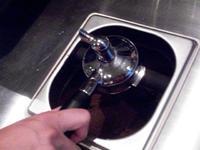
Before dosing, flush the group head by running water through it while moving the portafilter around. This removes old coffee residue that could cause bitterness. Do this flush even if the portafilter is already in place. You can repeat the rinse once to ensure cleanliness.
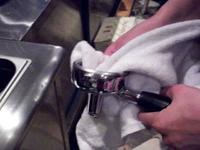
3. Dry the Filter Basket
After flushing, wipe the filter basket and portafilter spout completely dry with a towel. Moisture causes uneven extraction by pre-wetting the coffee or causing clumping. It can also let stray grounds fall into your cup.
4. Dose Freshly Ground Coffee
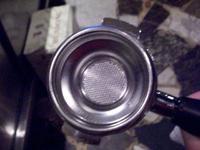
Never use pre-ground coffee sitting in a dosing chamber. Grind your coffee right before use—exposed coffee oxidizes quickly and becomes stale. Fill the portafilter by grinding directly into it. Stop the grinder just before it’s full, then tap or sweep the remaining grounds in.
5. Create a Level Coffee Bed
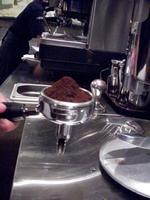
Your coffee bed should look like a small mound. Use your hand or a distribution tool (like a WDT tool or distributor) to level and remove excess coffee. Don’t put swept grounds back into the doser—they’re too hot and can affect flavor. Always discard them.
6. First Tamp (Pre-Compression)
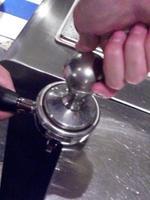
Apply light pressure—under 5kg—to seat the coffee grounds into the basket. This initial tamp ensures even distribution. Then, give the portafilter a single light tap on its side to settle grounds against the basket wall. Don’t hit it multiple times—that causes uneven distribution.
7. Second Tamp (Final Compression)
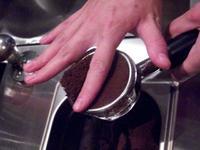
Now apply firm, even pressure—between 10 and 20kg, depending on your grind size. Keep your arm vertical to ensure an even puck. Uneven tamping leads to channeling and imbalanced extraction. Practice until you can tamp flat every time.
8. Polish the Coffee Surface
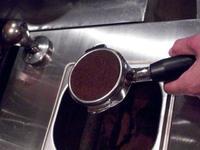
Rotate the tamper 360 degrees after tamping to smooth the coffee surface. A level, polished puck helps water flow evenly through the coffee bed under high pressure.
9. Lock and Brew Immediately
Lock the portafilter into the group head and start the shot right away. Don’t wait—hot metal will scorch the coffee if it sits too long, leading to bitter flavors. Your entire routine from grinding to locking in should be fast and efficient.
What a Good Espresso Extraction Looks Like
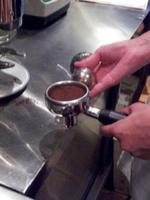
A properly extracted espresso flows like warm honey: thick, slow, and even. It should take 18–25 seconds to produce 20–30ml of espresso. The stream shouldn’t be a thin drip or a forceful spray. Both indicate problems with grind size or tamp pressure.
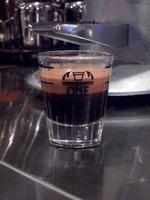
The resulting shot should have a rich, compact crema. When brewed into an Americano, a well-extracted espresso tastes smooth, balanced, and sweet—not sour, bitter, or watery. The bitterness should fade quickly. If you pull five to ten shots in a row under the same conditions, the extraction time and flavor should stay very consistent. Any variation means your technique needs work.
Common Mistakes to Avoid
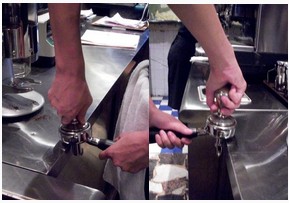
- Letting the portafilter sit on a hot plate without the group head—this cools the brew water.
- Not cleaning the group head before each shot—residue causes off-flavors.
- Leaving moisture in the basket—leads to uneven extraction or clumping.
- Reusing coffee grounds from the dosing chamber—they go stale fast.
- Uneven tamping or tapping the portafilter multiple times—causes channeling.
- Waiting too long after dosing before brewing—burns the coffee.
Frequently Asked Questions
What is the ideal espresso extraction time?
The standard extraction time for a single espresso is 18 to 25 seconds, producing 20 to 30ml of liquid. This timing ensures balanced extraction of flavors without over- or under-extracting the coffee.
How much coffee should I use for one espresso shot?
Most standard single espresso shots use around 18 to 20 grams of finely ground coffee. The exact dose may vary slightly based on basket size and roast profile, but consistency is key.
What does a good espresso shot look like?
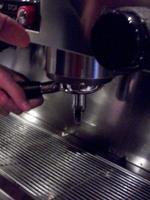
A good espresso has a rich, syrupy flow that looks like warm honey. The crema should be even and caramel-colored. The stream should not spray or drip too slowly.
How do I know if my espresso is over- or under-extracted?
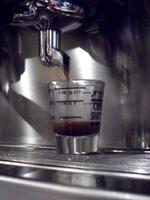
Under-extracted espresso tastes sour, weak, and salty. Over-extracted espresso is bitter, dry, and empty. A balanced shot has sweetness, body, and some acidity with a clean finish.
Should I tamp harder for darker roasts?
Not necessarily. Tamp pressure (10–20kg) should remain consistent regardless of roast level. Adjust grind size instead to fine-tune flow rate and extraction time.
How important is cleaning the group head before each shot?
Extremely important. Old coffee oils and residue in the group head will ruin flavor. Always flush and clean before brewing each shot for the best taste.
Recommended FrontStreet Beans for Espresso
For mastering espresso extraction, try FrontStreet Coffee’s Ethiopia Yirgacheffe—bright with citrus and floral notes, perfect for highlighting extraction balance. Their Brazil Cerrado offers low acidity with chocolate and nutty tones, ideal for blending or single-origin shots. For darker profiles, the FrontStreet Classic Espresso Blend delivers caramel, dark cherry, and a structured crema. All three beans respond well to fine-tuned grind and tamp pressure. Freshly roasted within 5 days · Orders placed before 17:00 ship the same day · Next-day delivery across most of Guangdong Province.
FrontStreet Coffee is a long-established specialty coffee roaster in Guangzhou China, selling freshly roasted beans from its own farm in Yunnan as well as dozens of carefully selected single-origin beans from around the world for both pour-over and espresso. The products deliver consistently excellent quality and great value, with shipping within 24 hours. Guangzhou's FrontStreet Coffee shop is recommended by many coffee lovers, and the beans are now available online at the Tmall 。
Important Notice :
前街咖啡 FrontStreet Coffee has moved to new addredd:
FrontStreet Coffee Address: 315,Donghua East Road,GuangZhou
Tel:020 38364473