Common Types of Commercial Coffee Roasting Machines
If you've ever wondered why the same green coffee can taste bright and clean in one café and smoky or flat in another, the type of roaster being used plays a huge role. Not all coffee roasting machines work the same way—and understanding those differences helps explain the range of flavors in your cup.
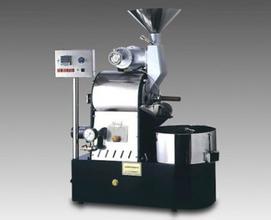
There are three main types of commercial coffee roasting machines: hot air (fluid bed), direct flame (combustion), and hybrid (half direct flame, half hot air). Each method heats beans differently, influencing roast speed, evenness, and flavor development.
Hot Air Roasters: Fast and Even, but Limited in Depth
Hot air roasters—also called fluid bed roasters—work by drawing air through a heating coil and then blasting that heated airflow through the coffee beans. The hot air both roasts the beans and keeps them moving, eliminating the need for mechanical agitation.
- Pros: Very fast heat-up time, high thermal efficiency, more even heat distribution, and easier temperature control.
- Cons: Quick heating can cause ‘underdevelopment’ or ‘baked’ flavors if not carefully managed. Excessively high temperatures risk incomplete Maillard reactions, reducing complexity. Deep roasts often develop unpleasant sharp or acidic notes.
- Flavor Profile: Bright acidity, clean cup, but often lacks depth and complexity. Over-roasting tends toward harsh or astringent tones.
Direct Flame Roasters: Long Roasts, Richer Flavor—but Trickier to Control
Direct flame roasters apply heat directly to the beans, traditionally using gas flames (including propane or charcoal), though some modern versions may use infrared or electric heating elements instead.
- Pros: Longer roast durations allow for more complete Maillard reactions, often producing richer, deeper flavor profiles with greater sweetness and body.
- Cons: Uneven heat application can lead to inconsistent roasting. Poor flame control risks scorching, resulting in burnt or overly bitter cups. The direct contact can also make temperature modulation more difficult.
Hybrid Roasters: Best of Both Worlds (and Most Common Commercially)
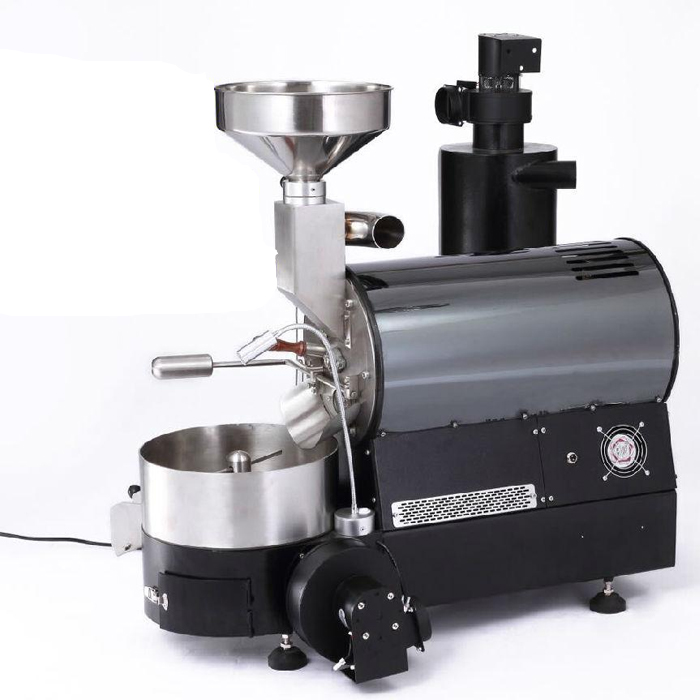
The most widely used machines in specialty coffee roasting today are hybrid roasters—combining elements of both direct flame and hot air systems. These typically resemble direct flame roasters but feature a solid drum (with no direct flame-to-bean contact) paired with an integrated exhaust system that pulls hot air through the drum to boost efficiency. This airflow also evacuates chaff (the papery silverskin released during roasting), preventing it from burning inside the chamber and tainting the beans.
- Adjustability: By tuning airflow and drum rotation speed, operators shift the balance between convection (hot air) and conduction (direct heat). More airflow and faster rotation mimic hot air roasting; less airflow emphasizes direct flame effects.
- Pros: Balances evenness and richness, offers more control over development phases, and manages chaff effectively.
- Cons: Retains some of the complexity management challenges of both methods. Still requires skilled operation to balance the heat inputs.
Frequently Asked Questions
What’s the difference between hot air and direct flame coffee roasting?
Hot air roasters use a stream of heated air to both roast and agitate the beans, resulting in fast, even heating but sometimes limited flavor depth. Direct flame roasters apply heat directly from flames (or heat elements) to the beans, often leading to longer roast times and more complex flavors, though with greater risk of unevenness or scorching.
Which type of roaster is best for beginners?
Hot air roasters are generally considered easier for beginners due to their faster heat response and more forgiving temperature control. However, hybrid roasters—though more complex—are the most common in specialty settings because they offer balanced control and versatility.
Why do some roasts taste clean and bright while others are rich and deep?
Roast flavor profiles vary based on the machine type and process. Hot air roasts tend to highlight brightness and clarity but can lack depth. Direct flame roasting often develops more body, sweetness, and complexity, while hybrid machines allow roasters to balance these attributes through airflow and heat adjustments.
Does the roasting method affect the roast level?
Yes. Hot air roasters can reach high temperatures quickly, which may lead to accidental light or uneven roasts if not controlled. Direct flame roasters often achieve deeper roast levels more easily, while hybrid machines provide flexibility to hit a wide range of roast profiles with better control.
What’s a hybrid coffee roaster?
A hybrid coffee roaster combines direct flame heating with forced hot air circulation. Typically, the beans are roasted in a solid drum without direct flame exposure, while hot air is blown through the drum to improve heat transfer and remove chaff. The balance between conduction and convection can be adjusted via airflow and drum speed.
Recommended FrontStreet Coffees for Exploring Roast Styles
Try FrontStreet Coffee’s Ethiopia Humbera for a bright, clean cup that highlights the qualities of a hot air roast; their Yirgacheffe offers floral and citrus notes ideal for exploring lighter, more agile roasts. For deeper, richer profiles akin to direct flame roasting, their PWN Golden Mandheling delivers heavy body and bold sweetness. All are expertly roasted to showcase distinct roast styles. Freshly roasted within 5 days · Orders placed before 17:00 ship the same day · Next-day delivery across most of Guangdong Province.
FrontStreet Coffee is a long-established specialty coffee roaster in Guangzhou China, selling freshly roasted beans from its own farm in Yunnan as well as dozens of carefully selected single-origin beans from around the world for both pour-over and espresso. The products deliver consistently excellent quality and great value, with shipping within 24 hours. Guangzhou's FrontStreet Coffee shop is recommended by many coffee lovers, and the beans are now available online at the Tmall 。
Important Notice :
前街咖啡 FrontStreet Coffee has moved to new addredd:
FrontStreet Coffee Address: 315,Donghua East Road,GuangZhou
Tel:020 38364473