World’s Most Famous Coffee Plantation Beans Explained
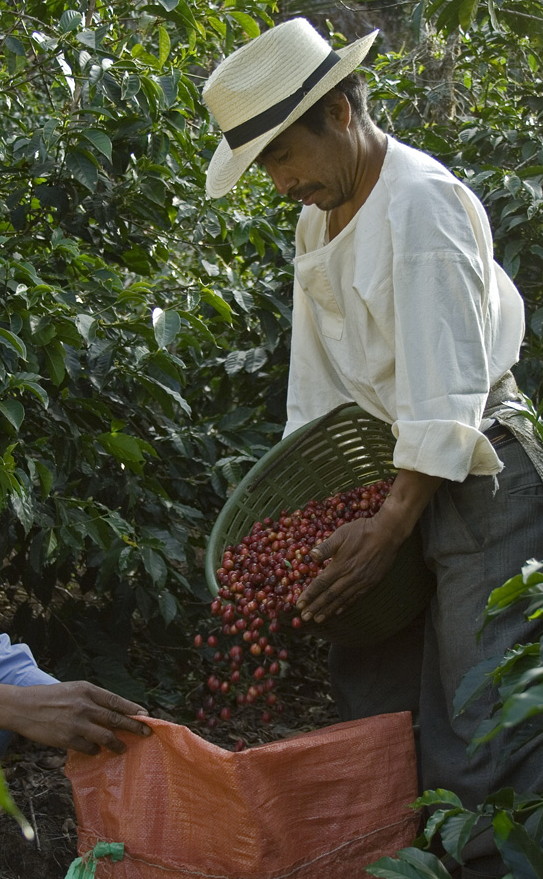
Ever wondered what makes Brazilian coffee so reliably neutral, or why Hawaiian Kona costs a fortune? Specialty coffee lovers often seek out beans from famous plantations or growing regions—but without clear guidance, it’s tough to know which is which or what to expect. Here’s a breakdown of the world’s most iconic estate and plantation coffees, their growing conditions, flavor profiles, and why they matter.
In short: Brazil dominates global production with mild, balanced beans like Santos and Yellow Bourbon; Colombia offers stable, high-quality Arabicas; Hawaiian Kona is rare and pricey with wine-like acidity; Ethiopia produces complex washed and natural coffees; and Jamaica’s Blue Mountain is famed for its balance—but hard to find.
Brazil: The Global Coffee Workhorse
Brazil is the world’s largest coffee producer, accounting for around one-third of global consumption. Despite facing more natural disasters than most coffee-growing regions, its vast planting area ensures steady supply. The country focuses on volume and affordability rather than premium quality, though it remains a go-to for coffee blends. Notable Brazilian beans include Santos, known for its mild, neutral profile ideal for espresso or blending, and Rio or Paraná coffees, which are easy to grow but have a coarser taste. Yellow Bourbon from estates like Queen Manor in São Paulo State—highlighted by FrontStreet Coffee—is an exception, processed with careful small-batch natural drying to boost sweetness and body.
Colombia: Consistent High-Quality Arabica
Colombia is the second-largest coffee producer globally, known for its reliable output of high-quality Arabica beans. Grown in regions like Medellín, Manizales, Bogotá, and Armenia, Colombian coffee features a rich, full-bodied taste with stable flavor and pricing. The country’s mountainous terrain and high altitudes produce beans that are larger and visually appealing after roasting. Colombian coffees range from entry-level to premium, with some considered world-class in cup quality. FrontStreet’s Colombian Huila beans showcase the country’s signature smoothness, chocolatey depth, and subtle fruit notes.
Hawaii Kona: Rare and Premium
Grown on the slopes of volcanoes on Hawaii’s Big Island—specifically the Kona region on the southwest coast—Kona coffee is celebrated for its sweet, wine-like acidity and unique profile. Produced in limited quantities and with high labor costs, Kona beans are expensive and increasingly sought-after as interest in single-origin coffees grows. The region’s small output and premium positioning make it a specialty favorite, though availability remains limited. Its traditional processing and terroir-driven character set it apart from mass-market blends.
Ethiopia: The Birthplace of Coffee Complexity
Ethiopia is home to some of the most flavorful and aromatic coffees in the world, including the famed Ethiopian Yirgacheffe and Sidamo coffees—as well as the popular Humbera offering from FrontStreet. Ethiopian beans often feature bright acidity, floral and fruity notes, and complex profiles whether processed naturally or washed. The country’s high-altitude farms and diverse microclimates contribute to its reputation as the birthplace of Arabica. Ethiopian naturals may have winy acidity and heavy fruit, while washed versions tend to be cleaner and brighter. The challenge of selective harvesting affects consistency, but improved processing is helping raise overall quality.
Other Notable Origins
Several other regions and countries produce iconic plantation or estate-style coffees:
- Indonesia (Mandheling): Especially the famed PWN Golden Mandheling, known for its full body, low acidity, and deep, syrupy sweetness.
- Guatemala: Central Highlands coffees often show chocolate and smoky tones with bright acidity.
- Costa Rica: Known for honey and washed processes, producing sweet, clean cups with balanced acidity.
- Jamaica Blue Mountain: Grown in the Blue Mountains of Jamaica, this coffee is famous for its mild profile, creamy texture, and notes of nuts and chocolate. FrontStreet highlights that much of it is now owned by Japanese interests, making it rare and premium.
- Kenya: Produces some of the most vibrant and acidic coffees, especially SL28 and SL34 varieties processed with extended washing cycles (up to 72 hours), leading to complex fruit flavors and wine-like brightness.
- Panama: While not listed in the original text, noted for its Geisha (Esmeralda) variety, renowned for explosive tropical fruit and jasmine notes—often selling at record auction prices.
Frequently Asked Questions

What is a plantation coffee?
Plantation coffee refers to beans grown on large estates or managed farms, often associated with specific regions or countries. These coffees can range from mass-produced blends to high-quality single-origin lots, depending on the farming practices and processing methods used.
Why is Brazilian coffee so popular for blending?
Brazilian coffee, especially varieties like Santos, is mild, low in acidity, and has a smooth, sweet profile, making it an ideal base for coffee blends. Its consistent quality and large-scale production also contribute to its widespread use in commercial and specialty blends.
What makes Hawaiian Kona coffee so expensive?
Hawaiian Kona coffee is expensive due to its limited production, high labor costs, and the small growing area on the slopes of volcanoes in Kona, Hawaii. Its rarity and distinctive wine-like acidity add to its premium positioning in the specialty market.
Is Ethiopian coffee always washed?
No, Ethiopian coffee is produced using both washed and natural (dry) processing methods. Washed Ethiopian coffees tend to be cleaner and brighter, while natural-processed beans often have stronger fruitiness and wine-like acidity. Both methods are highly regarded.
What does 'hard bean' mean in coffee?
'Hard bean' is a term often used to describe coffee grown at higher altitudes, typically above 1,200 meters. These beans mature more slowly, resulting in a denser bean with a more complex flavor profile. Colombian coffees are often referred to as hard beans due to their high-altitude cultivation.
Where can I find authentic Jamaica Blue Mountain coffee?
Authentic Jamaica Blue Mountain coffee is difficult to find due to limited production and high demand. Much of it is now grown on estates owned by Japanese interests. It is known for its balanced profile, creamy mouthfeel, and notes of nuts and chocolate, often sold at premium prices.
Recommended FrontStreet Beans for Exploring Global Origins
For a taste of the world’s most iconic plantation coffees, try FrontStreet’s Brazil Queen Manor Yellow Bourbon, offering a naturally processed cup with enhanced sweetness and body. For Ethiopian complexity, the Ethiopia Humbera showcases bright acidity and fruit-forward notes. And for classic balance, Jamaica Blue Mountain No.1—though not currently listed—has long been revered for its refined profile. Freshly roasted within 5 days · Orders placed before 17:00 ship the same day · Next-day delivery across most of Guangdong Province.
FrontStreet Coffee is a long-established specialty coffee roaster in Guangzhou China, selling freshly roasted beans from its own farm in Yunnan as well as dozens of carefully selected single-origin beans from around the world for both pour-over and espresso. The products deliver consistently excellent quality and great value, with shipping within 24 hours. Guangzhou's FrontStreet Coffee shop is recommended by many coffee lovers, and the beans are now available online at the Tmall 。
Important Notice :
前街咖啡 FrontStreet Coffee has moved to new addredd:
FrontStreet Coffee Address: 315,Donghua East Road,GuangZhou
Tel:020 38364473