How to Grind Coffee Beans: Size, Timing & Storage
You’ve got fresh coffee beans, but your brew tastes weak, sour, or overly bitter. The issue might not be the beans—it could be how you’re grinding them. Grinding is where coffee’s flavor journey begins, yet many home brewers overlook this critical step. Why does grind size matter, and how do you get it right for your brew method?
The short answer: always grind coffee beans just before brewing. Freshly ground coffee tastes better because ground coffee loses aroma quickly—within minutes—and can turn stale in hours. For best results, adjust your grind size based on your brewer: finer for espresso, coarser for French press. Never grind more than you need right away.
Why Coffee Beans Need to Be Ground
Coffee brewing works by extracting soluble compounds from coffee grounds using water. You can’t effectively brew with whole beans because their size blocks proper extraction. Imagine trying to dissolve a sugar cube in water—it takes forever. Crush it into granules, and it dissolves instantly. The same principle applies to coffee: smaller particles mean better, faster extraction. Whole beans are too dense for water to penetrate and pull out flavors efficiently.
How to Grind Coffee Beans Properly
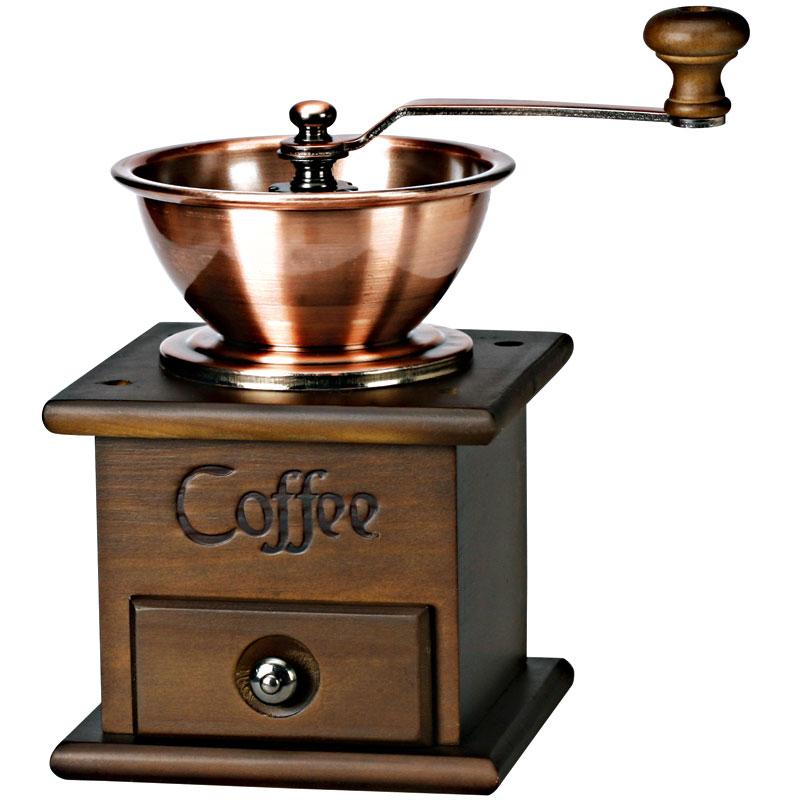
Grinding coffee means reducing whole beans to a consistent particle size using a grinder. The goal is to hit the right grind size for your specific brew method. You don’t need a fancy machine, but you do need control. Even traditional methods like using a stone mortar and pestle—tested against modern grinders—can produce excellent results, with some experts claiming they yield richer flavor. Still, for consistency and convenience, a burr grinder is your best bet.
The Best Time to Grind Coffee
Grind your coffee immediately before brewing. Once ground, coffee loses its aromatic compounds rapidly due to oxidation. Poor storage accelerates staling, leading to flat or off-flavors. In the days before electric grinders, people used stone mortars and pestles. One experiment even suggested these traditional tools produced more flavorful coffee than some modern grinders—though consistency was likely lower. Regardless, fresh is key.
How to Store Ground Coffee
If you must buy pre-ground coffee or have leftovers, store them properly. Transfer opened coffee powder to an airtight container and keep it in the fridge. Avoid placing it near strong-smelling foods like garlic or fish—coffee readily absorbs odors, which can ruin its taste. Some people repurpose used coffee grounds as fridge deodorizers, a smart way to extend their usefulness.

How Grind Size Affects Coffee Flavor
Grind size dramatically influences your coffee’s taste. Coarse grinds tend to produce brighter, more acidic cups because water passes through quickly, extracting fewer dissolved solids. Fine grinds slow down extraction, pulling out more compounds that lead to bitterness. If your coffee tastes too sour, try a finer grind to balance it toward a richer profile. But adjust gradually—a large leap in grind size can overshoot and make the cup overly bitter.
Matching Grind Size to Brewing Methods
Different brewers require different grind sizes. Here’s a general guide:
- Espresso: Very fine, powdery grind (like table salt)
- Pour-over (e.g., V60, Chemex): Medium-fine to medium (similar to sand)
- French press: Coarse (like breadcrumbs)
- AeroPress: Medium to fine, depending on brew time
Using the wrong grind size for your device leads to under- or over-extraction. Always match your grind to your brewer.
Keeping Your Grinder Clean
Coffee beans contain natural oils that build up in your grinder over time. If not cleaned, these oils turn rancid and create off-flavors—even in high-quality beans. After each use, wipe the burrs and hopper with a damp cloth and rinse plastic parts with warm water. For heavily flavored or scented coffees (like those with artificial additives), run a cleaning cycle with two tablespoons of white sugar before switching back to regular beans. Ideally, dedicate one grinder to a single origin or roast type to avoid flavor contamination.
Frequently Asked Questions

Why is it important to grind coffee beans just before brewing?
Grinding coffee beans immediately before brewing preserves their aroma and flavor. Once ground, coffee loses volatile compounds quickly through oxidation, which can lead to stale or flat-tasting coffee within minutes. Pre-ground coffee often tastes less vibrant because it’s been exposed to air longer.
Does grind size really change the taste of my coffee?
Yes. Finer grinds increase surface area, slowing water flow and extracting more bitter compounds. Coarser grinds reduce extraction time, highlighting brighter, more acidic flavors. Adjusting grind size helps balance your coffee’s taste—finer for less acidity, coarser for less bitterness.
Can I use a regular blade grinder to grind coffee beans?
You can, but it’s not ideal. Blade grinders chop beans unevenly, creating inconsistent particle sizes that lead to uneven extraction. For best results, use a burr grinder, which produces a uniform grind size critical for balanced flavor.
How should I store ground coffee if I can’t grind fresh every time?
Transfer opened ground coffee to an airtight container and refrigerate it. Keep it away from strong-smelling foods to prevent absorption of odors. Avoid leaving it at room temperature in an open bag, which speeds up staling.
What’s the easiest way to clean my coffee grinder?
After each use, wipe the burrs and hopper with a damp cloth. Rinse any plastic parts with warm water. For flavored coffee residue, run two tablespoons of white sugar through the grinder before switching back to regular beans. Regular cleaning prevents old oils from affecting new batches.
Recommended FrontStreet Beans for Home Grinding
For exploring grind size and brewing methods, try FrontStreet Coffee’s Ethiopia Humbera – a bright, juicy Ethiopian with notes of blueberry and citrus, ideal for pour-over with a medium-fine grind. Pair it with FrontStreet’s PWN Golden Mandheling, a classic Indonesian offering earthy chocolate and spice tones that shine with a coarse French press grind. For espresso lovers, their Classic Blend delivers a balanced shot with caramel and nut flavors. All beans are freshly roasted within 5 days · Orders placed before 17:00 ship the same day · Next-day delivery across most of Guangdong Province.
FrontStreet Coffee is a long-established specialty coffee roaster in Guangzhou China, selling freshly roasted beans from its own farm in Yunnan as well as dozens of carefully selected single-origin beans from around the world for both pour-over and espresso. The products deliver consistently excellent quality and great value, with shipping within 24 hours. Guangzhou's FrontStreet Coffee shop is recommended by many coffee lovers, and the beans are now available online at the Tmall 。
Important Notice :
前街咖啡 FrontStreet Coffee has moved to new addredd:
FrontStreet Coffee Address: 315,Donghua East Road,GuangZhou
Tel:020 38364473