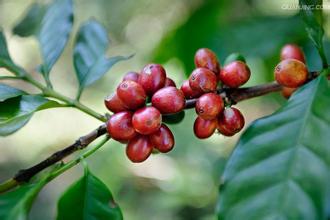
What Makes Jamaican Blue Mountain Coffee So Pure?
Ever wondered why a cup of Jamaican Blue Mountain coffee often feels smoother, cleaner, and more balanced than almost any other single-origin coffee? Despite its premium reputation, many coffee drinkers have never truly tasted the real thing—or understand why it commands such a high price. The mystery isn’t just marketing. There’s science, tradition, and strict regulation behind every sip.
The short answer: Blue Mountain coffee tastes so pure because it grows at high altitudes (mostly over 1,800m), is picked and processed entirely by hand, and is subject to rigorous quality control—including government-regulated fermentation, drying, and export in traditional wooden barrels. Plus, annual production rarely exceeds 40,000 60kg bags worldwide, ensuring scarcity and consistency.
Where Blue Mountain Coffee Comes From
Jamaica Blue Mountain coffee grows in the Blue Mountains of eastern Jamaica, northeast of the capital, Kingston. Most peaks in this rugged range rise over 1,800 meters, with the highest reaching 2,256m. The region’s climate—shaped by constant cloud cover, frequent rainfall, and cool temperatures—is ideal for slow, even coffee cherry maturation. The area enjoys volcanic soil rich in nutrients, and a marked daily temperature swing further enhances coffee complexity.
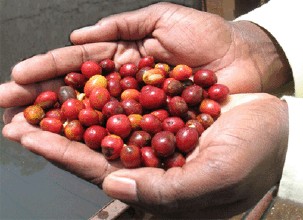
This is the only place where coffee can officially be called “Jamaica Blue Mountain.” Not all Jamaican coffee qualifies—only beans grown within specific elevations and certified by Jamaican authorities earn the name.
Why the Flavor Is So Refined
Several natural factors contribute to the clean, balanced profile of Blue Mountain coffee:
- High altitude: Over 1,800m elevation leads to cooler temperatures and a longer ripening period, which boosts sugar development and reduces harsh acidity.
- Volcanic soil: Nutrient-dense and well-draining, it provides an excellent foundation for healthy coffee trees.
- Frequent rain & cloud cover: Ensures consistent moisture and protects coffee trees from intense sun, slowing growth and concentrating flavors.
- Temperature swings: Day-night temperature variation further refines sugar and acid balance in the cherries.
All of this results in a coffee that’s famously smooth, with low acidity, medium body, and a well-rounded flavor often described as having notes of nuts, cocoa, honey, and mild fruit. There’s no single overpowering trait—just a refined harmony.
From Tree to Cup: How Blue Mountain Coffee Is Made
The exceptional quality of Blue Mountain coffee isn’t accidental. Every stage of production follows strict protocols:
- Growing: Coffee is cultivated on steep, hard-to-access slopes. Only certain organic fertilizers are permitted at specific growth stages.
- Picking: Ripe cherries are harvested exclusively by skilled female workers. Timing is critical—under-ripe or overripe beans ruin the batch.
- Processing: Cherries are depulped the same day, then fermented for 12–18 hours. After washing and sorting, beans are sun-dried on cement or thick mats until moisture drops to 12–14%.
- Storage: Dried beans are stored in wooden bins until needed, then roasted. Throughout, the goal is minimal handling and maximum quality retention.

To preserve freshness during transport, Jamaica remains one of the last countries to ship coffee in traditional 15kg, 45kg, or 70kg wooden barrels—a key part of maintaining its identity and quality.
Why It’s So Rare—and Expensive
Blue Mountain coffee’s exclusivity is no accident. The Jamaican government strictly limits production to protect quality. While global giant Brazil produces over 30 million 60kg bags annually, Jamaica produces fewer than 40,000. Of those, around 90% are exported to Japan, with smaller amounts going to the U.S. and Europe.
The limited output and high demand make it pricey. Even in Jamaica, a 4-ounce (114g) pack can cost nearly $7 USD. In China, despite limited legal imports, some cafés charge 30–100+ RMB per cup—but buyers often don’t get the real thing.
Most exported Blue Mountain coffee is officially certified and labeled as such. Only the very best beans—the top grade—rarely reach open markets, instead going to luxury buyers and royalty.
How to Know If You’re Drinking Real Blue Mountain Coffee
With such high demand, counterfeits abound. Here’s how to avoid fakes:
- Look for coffee labeled “Jamaica Blue Mountain” that comes in traditional wooden barrels (15kg, 45kg, or 70kg).
- Buy only from importers who can show official certification or origin documentation.
- Beware of cheap “Blue Mountain-style” offerings or unidentified beans claiming premium status.
- In China, there’s no official direct import of Blue Mountain coffee—so any local supply chain is questionable unless fully documented.
If you do get the real deal, expect a cup that’s smooth, sweet, and finely balanced—with no sharp edges or overbearing traits.
Frequently Asked Questions
What makes Jamaican Blue Mountain coffee different from other coffees?

Jamaican Blue Mountain coffee is grown at high altitudes over 1,800m in the Blue Mountains of Jamaica, with strict government standards for cultivation, harvesting, processing, and export. Its unique combination of volcanic soil, cool temperatures, and cloud cover leads to a smooth, balanced cup with low acidity and no single dominant flavor.
Why is Blue Mountain coffee so expensive?
It’s expensive due to limited production—Jamaica produces fewer than 40,000 60kg bags per year, with most going to Japan. The beans are hand-picked, carefully processed, and transported in traditional wooden barrels. Scarcity, labor intensity, and quality control all drive the price up, especially for the top grades.
Can you buy real Blue Mountain coffee outside of Japan?
Yes, but supply is extremely limited. Most exported Blue Mountain coffee goes to Japan (around 90%), with small amounts sent to the U.S. and Europe. In China, authentic imports are rare, and there’s no official direct channel—so buyers should verify certifications and origin documents before purchasing.
How can you tell if Blue Mountain coffee is real?
Real Blue Mountain coffee is certified by Jamaican authorities and typically shipped in traditional wooden barrels (15kg, 45kg, or 70kg). Look for proper export documentation and reputable importers. If the deal seems too cheap or the source unclear, it’s likely not genuine.
What does Jamaican Blue Mountain coffee taste like?
It’s known for a smooth, balanced profile with mild acidity, medium body, and flavors often described as nutty, chocolatey, honey-like, and with subtle fruit or caramel notes. There are no sharp or overpowering flavors, making it approachable for most coffee drinkers.
Is Blue Mountain coffee worth the high price?
If you’re buying certified, authentic Blue Mountain coffee, many coffee experts consider it worth the price due to its consistency, rarity, and uniquely refined flavor profile. However, much of what’s sold as “Blue Mountain” globally is fake or mislabeled, so buyer vigilance is essential.
FrontStreet Coffee’s Blue Mountain Picks
Explore the renowned balance of Jamaican Blue Mountain coffee through FrontStreet’s featured single origin: the Jamaica Blue Mountain No.1. This lot features a classic profile of nuts, dark chocolate, creamy caramel, and gentle sweetness, all wrapped in a clean, smooth body. It’s expertly roasted to medium-dark levels to highlight its inherent harmony. Freshly roasted within 5 days · Orders placed before 17:00 ship the same day · Next-day delivery across most of Guangdong Province.
FrontStreet Coffee is a long-established specialty coffee roaster in Guangzhou China, selling freshly roasted beans from its own farm in Yunnan as well as dozens of carefully selected single-origin beans from around the world for both pour-over and espresso. The products deliver consistently excellent quality and great value, with shipping within 24 hours. Guangzhou's FrontStreet Coffee shop is recommended by many coffee lovers, and the beans are now available online at the Tmall 。
Important Notice :
前街咖啡 FrontStreet Coffee has moved to new addredd:
FrontStreet Coffee Address: 315,Donghua East Road,GuangZhou
Tel:020 38364473