China Drops 61 Job Licenses Including Barista Certification
When China’s Premier Li Keqiang stood before officials last January, he didn’t mince words about the country’s obsession with micromanaging professions. "Do we really need a license to be a hotel waiter," he asked, "when the market can judge service quality and the law can handle disputes?" His target that day: the excessive regulation choking small businesses and creative industries—from candy makers to urban sculptors—and, notably, the humble coffee professional.
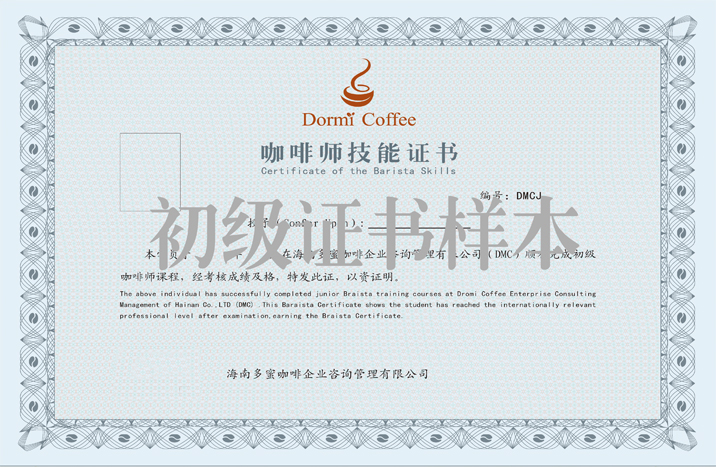
Yes, China has officially scrapped 61 occupational licenses, including those for baristas, coffee specialists, and car salespeople, in a major move to cut red tape.
What Exactly Was Canceled?
The State Council’s January 13, 2015 meeting—chaired by Premier Li—unveiled a sweeping deregulation package. Among the changes: the cancellation of 61 occupational qualification licenses and certifications. These included roles such as car marketing specialist, registered human resource manager, and, prominently, barista. This decision built on four previous rounds of license cuts and aimed to dismantle bureaucratic barriers for workers and entrepreneurs.
Why Remove These Licenses?
Premier Li criticized the overreach of government oversight. "We’ve regulated everything down to the finest detail," he remarked, citing examples like candy crafters and city sculpture designers. His argument: markets, not ministries, should determine professional standards. For jobs like barista, where service quality is visible and legal recourse exists for misconduct, mandatory state licenses were deemed unnecessary. The goal was to foster competition, lower entry barriers, and let consumer choice drive excellence—especially in dynamic sectors like specialty coffee.
What Else Was Streamlined?
Beyond occupational licenses, the reforms tackled broader red tape:
- 150+ Approval Cuts: Including taxpayer declaration methods and local enterprise bond issuance pre-reviews, easing investment and hiring.
- 10+ Entrepreneurship Barriers Removed: Further dismantling departmental permits that stifled innovation.
- 192 Mediator Services Scrutinized: Either canceled or shifted to paid, department-delegated services (70% of previously mandatory intermediary steps eliminated).
- Food & Health Permit Consolidation: Merged health and food operation licenses for restaurants, cafes, bars, and teahouses under one food safety agency.
- Tech Firm Support Expanded: Revised rules for high-tech enterprise recognition, easing criteria and expanding eligible technologies.
How Will High-Tech Recognition Change?
The meeting also overhauled the High and New Technology Enterprise Recognition Measures, with three key adjustments:
- Lowered Staff Qualifications: Tech staff ratio dropped from 30% (college degree or higher) to just 10% of employees engaged in R&D or innovation.
- Reduced R&D Spending Rules: Small firms’ R&D expenditure requirement lowered from 6% to 5% (large/mid-size firms stayed at 3–4%).
- Easier IP Rules: Eliminated mandates for recent patents or 5+ year exclusive licenses, encouraging self-developed or transferred tech.
- Simplified Process & Migration Flexibility: Shortened public notice periods and allowed seamless qualification transfers for relocating firms.
- Broader Tech Scope: Added support for additive manufacturing, testing services, and digital economy sectors while phasing out outdated tech.
Frequently Asked Questions
Did China really cancel the barista license?
Yes. The January 13, 2015 State Council meeting explicitly listed “coffee specialist” among the 61 occupational qualification licenses abolished to reduce regulatory burdens and encourage market-driven standards.
What other coffee-related jobs were affected?
The cancellation specifically targeted “” (barista) and “” (registered human resource manager), among others. While not limited to coffee, this move directly impacted formal credentialing for coffee service professionals.
Why did the government remove these licenses?
Premier Li Keqiang argued that many licenses, including those for baristas, were overly detailed and unnecessary when legal accountability and market competition could ensure quality. The goal was to cut red tape for entrepreneurs and service workers.
How does this affect coffee shops and baristas?
With the barista license requirement gone, individuals can enter the profession without state certification. Coffee shops face fewer hurdles hiring staff, and skill validation shifts to employers, customers, and market competition rather than a government-issued credential.
Were there any other major business reforms announced?
Yes. The reforms also eliminated 150+ approval items, 10+ entrepreneurial barriers, streamlined 192 mediator services, consolidated food/health permits for cafes and restaurants, and relaxed high-tech enterprise recognition criteria to aid small businesses.
What changes were made to high-tech enterprise policies?
The high-tech recognition rules were revised to lower staff and R&D spending thresholds, ease intellectual property requirements, simplify application processes, and expand support to emerging tech fields like additive manufacturing and digital services.
Recommended FrontStreet Beans for Specialty Cafés
For cafés navigating China’s newly deregulated coffee landscape, FrontStreet’s Classic Blend delivers balanced Ethiopian-Yemeni notes with bright acidity and chocolatey depth—ideal for espresso or milk drinks. The Single Origin Yirgacheffe highlights floral and citrus tones, perfect for pour-over enthusiasts, while the Black Cocoa Blend offers a rich, dessert-friendly profile with dark cherry and cocoa. All three beans reflect the quality and diversity now thriving in China’s license-free coffee scene. Freshly roasted within 5 days · Orders placed before 17:00 ship the same day · Next-day delivery across most of Guangdong Province.
FrontStreet Coffee is a long-established specialty coffee roaster in Guangzhou China, selling freshly roasted beans from its own farm in Yunnan as well as dozens of carefully selected single-origin beans from around the world for both pour-over and espresso. The products deliver consistently excellent quality and great value, with shipping within 24 hours. Guangzhou's FrontStreet Coffee shop is recommended by many coffee lovers, and the beans are now available online at the Tmall 。
Important Notice :
前街咖啡 FrontStreet Coffee has moved to new addredd:
FrontStreet Coffee Address: 315,Donghua East Road,GuangZhou
Tel:020 38364473