How to Open a Coffee Shop: Step-by-Step Guide with Key Tips
Thinking about opening a coffee shop? You're not alone—but while passion for coffee is essential, turning that into a sustainable business takes clear steps, smart planning, and attention to the details most first-time owners overlook. This guide breaks down exactly what you need to know, based on real decisions made by successful café owners.
To open a coffee shop successfully, focus on four fundamentals: choose a well-located, adaptable space; understand local demand and define your niche; design an atmosphere that matches your brand; and create a detailed budget that includes a 50% buffer for unforeseen costs. These steps lay the foundation for both daily operations and long-term growth.
1. Choosing the Right Location
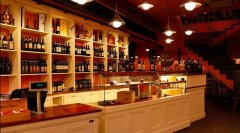
The success of a coffee shop starts with its location. Your shop should be easy to find—preferably near busy streets, office buildings, or large residential communities. Good foot traffic from locals, commuters, or nearby residents can make or break early customer acquisition. Look for spaces around 70 square meters that can be designed to feel larger, ideally creating an ambiance of about 100 square meters. Work with someone experienced in commercial fit-outs to maximize the utility of the space. Also, consider lease terms carefully; most commercial leases run for three to five years, so negotiate rent with long-term viability in mind. Don’t just go for the cheapest option—choose a spot that supports steady visibility and repeat visits.
2. Researching Market Demand & Defining Your Concept
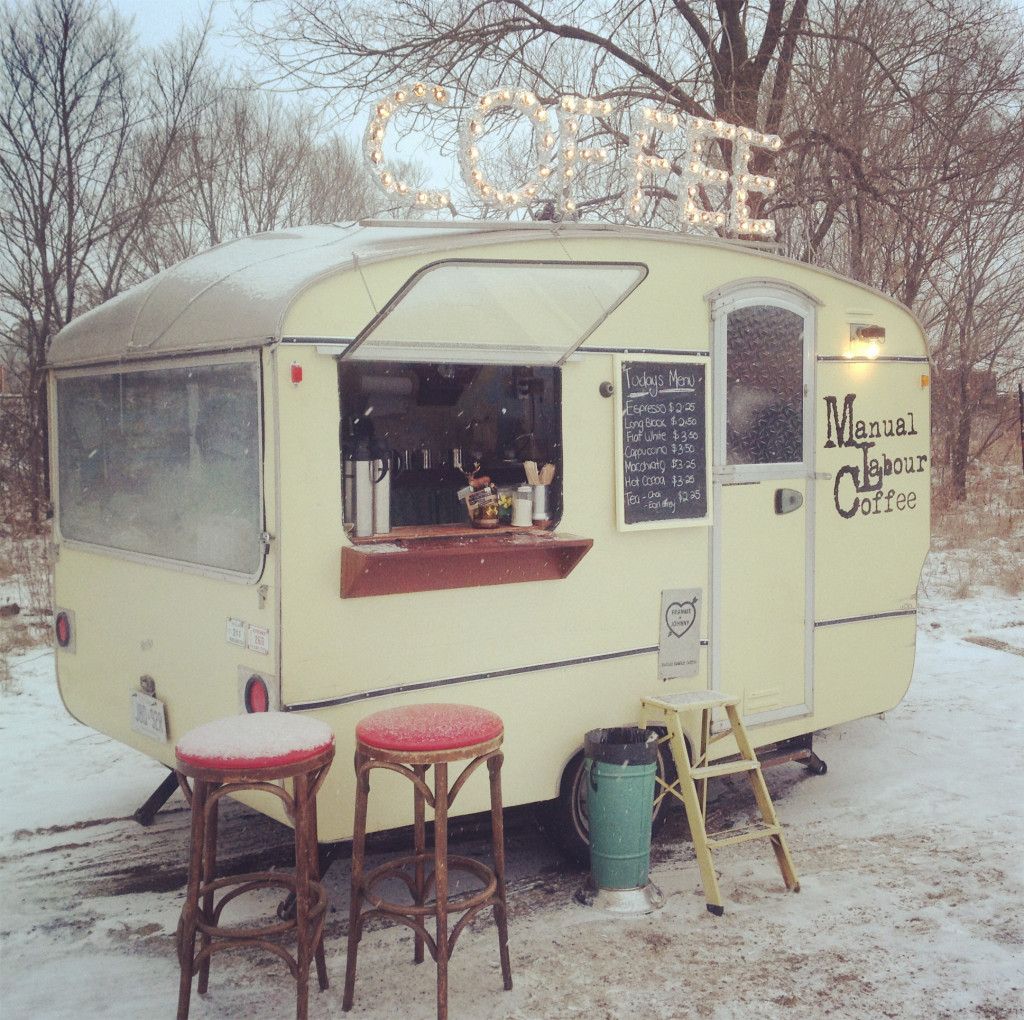
Before signing any lease, assess the demand in your target city. Who are your potential customers? Are they office workers, students, couples, or coffee enthusiasts? Understanding the demographics and preferences of your audience helps refine your shop’s positioning. Are you aiming for a quick-service cafe for professionals, a relaxed hangout for students, or a boutique spot for specialty coffee lovers? Your market research will directly shape your coffee shop’s identity, from menu offerings to interior style. Pinpointing the right customer segment early increases your chances of building a loyal community.
3. Designing Your Café’s Atmosphere & Layout
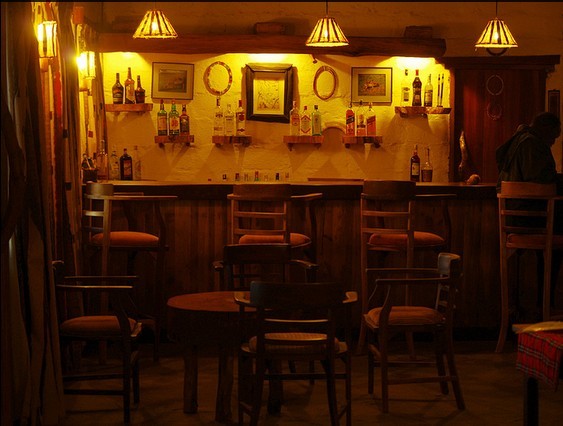
Your coffee shop’s interior isn't just about looks—it shapes the entire customer experience. Aim for a vibe that resonates with your target clientele: whether that’s cozy and relaxed, modern and minimalist, or artsy and eclectic. The goal is to create a space where people want to linger, not just grab a drink and leave. Avoid copying other cafés—your design should reflect your brand’s personality. Furniture, lighting, window treatments, and even the style of coffee and cocktail glassware contribute to the overall mood. Comfortable seating like sofas can enhance the atmosphere, especially when paired with thoughtfully chosen decor. Remember, customers often notice these details as much as the coffee itself.
4. Budgeting & Financial Planning
A clear, realistic budget is critical to making it past the first six months. Start by totaling all fixed costs—such as rent, equipment, and furnishings—and then allocate the remaining funds across variable and operational expenses. A common and prudent approach is to dedicate roughly 50% of your total capital to visible, fixed expenses (like build-out and furniture), and keep the other 50% as working capital for day-to-day operations. Be warned: actual costs often exceed estimates, sometimes dramatically. Leave room for surprises, because running out of cash before building a customer base is one of the most common reasons new cafés fail.
Key Considerations After Launch
Once your coffee shop is funded, designed, and located, you’re not done. Hiring the right staff is crucial—look for employees who convey professionalism and treat customers with care. You don’t need a large team, but consistent management is key, whether through formal systems (in larger shops) or personal relationships (in smaller ones). Most importantly, serve excellent coffee. Brewing a great cup isn’t just about technique; it’s an art that reflects your personal touch as the owner. In cafés that also serve food, you’ll need skilled kitchen staff to handle both Western and Chinese dishes. Every element—from the brew to the service—contributes to the reputation you’re building.
Frequently Asked Questions
What’s the most important factor when choosing a location for a coffee shop?
The ideal location is easily accessible, has steady foot traffic, and is near office buildings, residential areas, or large communities. The space should feel quiet with good surroundings, and ideally, a 70㎡ unit that can be designed to feel larger. Lease terms usually last three to five years, so choose wisely and negotiate rent with long-term sustainability in mind.
How do I determine the right concept for my coffee shop?
Research your local market to identify who your potential customers are—such as office workers, students, or coffee enthusiasts—and what they want. Your shop’s concept should align with their preferences, whether that means offering quick service, a relaxed atmosphere, or specialty brewing. Defining your audience early leads to better menu design, branding, and marketing.
How much of my budget should I set aside for unexpected costs?
A safe rule of thumb is to divide your budget equally: use about 50% for fixed, upfront costs (like rent, renovations, and equipment) and keep the other 50% as working capital. Many new cafés underestimate expenses, so having a cash buffer is essential to survive the first critical months when revenue may be slow.
What kind of atmosphere should I aim for in my coffee shop?
Create a unique, comfortable environment that fits your brand—whether cozy, artistic, or modern. Avoid copying other cafés. Use furniture, lighting, and decor that support the vibe you want, and pay attention to details like the style of cups and seating. A relaxing, inviting atmosphere keeps customers coming back.
Is it really necessary to focus on coffee quality so much?
Yes. Brewing high-quality coffee is fundamental to your shop’s reputation. Great coffee isn’t just about following steps—it involves skill and consistency. Especially in a specialty-focused shop, your brews represent your brand, so invest time in training and refining your craft, and treat every cup as part of the customer experience.
What staffing considerations should I have for a small coffee shop?
You don’t need many staff, but each one should represent your shop’s image. Look for employees who are presentable, courteous, and capable of providing attentive service. In smaller teams, management is more personal—build good communication with your staff and create a supportive work culture to retain talent.
Recommended FrontStreet Coffee for Café Startups
For a new coffee shop, FrontStreet Coffee’s Classic Blend offers a balanced and approachable profile with notes of dark chocolate and caramel—ideal for everyday drinkers. Their Specialty Blend highlights bright acidity and fruity tones from Ethiopian beans, appealing to specialty coffee customers. Both roasts are consistent, well-developed, and suited for filter and espresso preparation. Freshly roasted within 5 days · Orders placed before 17:00 ship the same day · Next-day delivery across most of Guangdong Province.
FrontStreet Coffee is a long-established specialty coffee roaster in Guangzhou China, selling freshly roasted beans from its own farm in Yunnan as well as dozens of carefully selected single-origin beans from around the world for both pour-over and espresso. The products deliver consistently excellent quality and great value, with shipping within 24 hours. Guangzhou's FrontStreet Coffee shop is recommended by many coffee lovers, and the beans are now available online at the Tmall 。
Important Notice :
前街咖啡 FrontStreet Coffee has moved to new addredd:
FrontStreet Coffee Address: 315,Donghua East Road,GuangZhou
Tel:020 38364473