How to Make Turkish Coffee with a Cezve: Steps & Ingredients
Making authentic Turkish coffee isn’t just about heating up finely ground beans—it’s about precision. From the right grind to the traditional triple-boil method, every detail impacts taste and texture. If your Turkish coffee lacks the signature rich foam or has an overly sharp acidity, chances are your process—or ingredients—need adjustment.
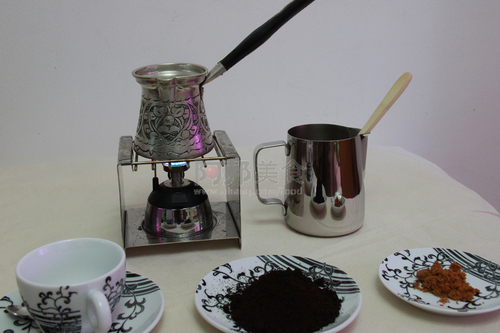
To brew traditional Turkish coffee, use 15 grams of very finely ground, medium-dark roasted coffee, 5 grams of sugar (adjustable), a pinch of spice like cinnamon or ginger (optional), and 150 milliliters of cold or lukewarm water. The cezve (Turkish coffee pot) is essential, and the coffee must be freshly ground just before brewing.
What You Need: Key Ingredients for Turkish Coffee
Turkish coffee relies on a small number of high-impact ingredients. Each plays a distinct role:
- 15g coffee: Use extremely fine grounds, similar in texture to powdered sugar or flour. This ultra-fine grind is crucial for creating the characteristic thick foam.
- Medium-dark roast: Choose beans roasted to a medium-dark level. Darker roasts can mute the delicate aromas needed for a balanced cup.
- 5g sugar (optional): Adjust to taste. Light brown or cane sugar is recommended to balance bitterness without making the coffee overly sweet.
- Spices (optional): Add a small pinch of spices such as cinnamon, cardamom, or ginger if desired. These are traditional but not mandatory.
- 150ml water: Always use fresh, cold or lukewarm water. Avoid boiling water, which can scorch the coffee and ruin the foam.
Why Grind Size and Freshness Matter
The grind size for Turkish coffee is extremely fine—finer than espresso. It should feel like powdered sugar or flour. This allows for proper extraction during the short boil and contributes to the formation of kaimaki, the desirable foamy layer. Using pre-ground or stale coffee will result in flat flavour and poor foam development. Always grind your beans immediately before brewing.
Step-by-Step: How to Brew Turkish Coffee in a Cezve
Follow these exact steps for the traditional method:
- Heat the Water: Pour 150 milliliters of cold or lukewarm water into the cezve. Some prefer to add coffee and sugar at this stage, but starting with water alone and heating it to 70–80°C before adding the other ingredients produces a smoother cup with less acidity, especially for those new to Turkish coffee.
- Add Coffee, Sugar, and Spices: Add 15 grams of finely ground coffee, 5 grams of sugar (adjust to preference), and optional spices such as cinnamon or ginger. Stir gently to combine.
- First Boil and Stir: Heat the cezve over low to medium heat. As soon as the coffee begins to rise for the first time (small bubbles form and the surface rises), remove it from the heat immediately. Stir well.
- Second Boil and Stir: Return the cezve to the heat. Let it come to a boil a second time and rise again. Remove from heat immediately and stir once more.
- Final Boil: Heat the coffee a third time. When it rises for the third time, it is ready. Do not stir this time. Take it off the heat immediately.
- Pour Slowly: Allow the coffee to settle briefly. Then pour slowly into cups, leaving the settled grounds in the cezve. Pour gently to avoid disturbing the settled coffee sludge and transferring too much sediment into the cups.
Common Mistakes to Avoid
- Using water that is too hot initially can scorch the coffee and reduce foam quality.
- Not stirring after the first and second boils may lead to uneven extraction.
- Pouring too quickly will result in excessive grounds in your cup.
- Using stale or pre-ground coffee will diminish aroma and prevent proper foam formation.
- A grind that is too coarse will lead to weak, under-extracted coffee with little to no crema.
Frequently Asked Questions
Do I have to use sugar in Turkish coffee?
No, sugar is optional. The traditional recipe includes about 5 grams (roughly one teaspoon), but you can adjust the amount or skip it entirely based on your taste preferences.
What kind of grind do I need for Turkish coffee?
You need an extremely fine grind, similar to powdered sugar or flour. This is much finer than espresso grind and is essential for creating the thick foam known as kaimaki.
Can I use any coffee beans for Turkish coffee?
Use medium-dark roasted beans for the best flavour. Dark roasts can overpower the subtle notes, while light roasts may not develop enough body or foam.
Why does my Turkish coffee have no foam?
Lack of foam, or kaimaki, usually results from using a grind that is too coarse, stale coffee, incorrect water temperature, or insufficient stirring after the first two boils.
What is the traditional cezve made from?
The traditional cezve is made of copper, often with a tin lining. It’s designed for even heat distribution and is essential for achieving the proper brew.
Recommended FrontStreet Coffee Beans for Turkish Style Brewing
For an authentic experience inspired by Turkish coffee traditions, try FrontStreet Coffee’s Classic Blend. This blend is crafted for rich crema and full body, delivering the kind of bold, smooth profile that complements the thick foam of Turkish-style brews. It features a traditional Mannheim-style roast balance, making it ideal for those who appreciate a deep, rounded cup. For something with more rustic texture and earthy undertones, FrontStreet’s PWN Golden Mandheling offers a deep, syrupy body with notes of black chocolate and a hint of spice—great for exploring bold flavours akin to traditional Mandheling-style brews. Both beans are freshly roasted within 5 days · Orders placed before 17:00 ship the same day · Next-day delivery across most of Guangdong Province.
FrontStreet Coffee is a long-established specialty coffee roaster in Guangzhou China, selling freshly roasted beans from its own farm in Yunnan as well as dozens of carefully selected single-origin beans from around the world for both pour-over and espresso. The products deliver consistently excellent quality and great value, with shipping within 24 hours. Guangzhou's FrontStreet Coffee shop is recommended by many coffee lovers, and the beans are now available online at the Tmall 。
Important Notice :
前街咖啡 FrontStreet Coffee has moved to new addredd:
FrontStreet Coffee Address: 315,Donghua East Road,GuangZhou
Tel:020 38364473