World-Famous Single-Origin Coffee Beans Explained
When you hear 'Blue Mountain' or 'Mocha' coffee, do you know exactly what makes them special—or if those names are being used correctly? Many so-called 'famous coffees' are misunderstood, mislabeled, or blended beyond recognition. Here’s the factual breakdown of what makes these legendary coffees unique, straight from their regions of origin.
In short: Jamaican Blue Mountain is grown above 2,500 feet in Jamaica, noted for mild acidity and delicate sweetness; Yemen Mocha offers bold acidity and chocolate notes; Colombian Supremo is well-balanced and versatile; Mandheling from Indonesia is full-bodied and smooth without acidity; and Brazilian Santos is the standard for neutral, mild blends. Each has distinct traits that define its reputation.
What Is Jamaican Blue Mountain Coffee?
Jamaican Blue Mountain coffee comes exclusively from the Blue Mountains of Jamaica, cultivated at elevations above 2,500 feet (roughly 762 meters). This single-origin coffee is known for its mild acidity, smooth mouthfeel, subtle sweetness, and complex yet delicate flavours. While pure Blue Mountain coffee may taste lighter in aroma compared to bolder beans, it delivers a refined, elegant cup considered the pinnacle of coffee luxury. Its restrained profile appeals to drinkers who value subtlety and balance over intensity.
What Defines Mocha (Yemen or Ethiopian Origin)?
Mocha coffee originally refers to beans from Yemen, with Ethiopia also producing notable versions. Today, Yemeni Mocha is regarded as the finest, followed by Ethiopian Mocha. These coffees feature a smooth yet pronounced acidity—ranging from medium to high—along with outstanding sweetness and distinctive flavour complexity. Notes of chocolate are commonly associated with Mocha, contributing to its ‘noble’ character. It's often described as having the refined profile of a 'fine lady' among coffees, and remains one of the most distinctive single-origin varieties.
Why Colombian Coffee Is So Consistent
Colombian coffee, particularly the Supremo grade, is celebrated for its balanced cup: soft, mellow, and sweet with moderate acidity. It sits in the mid-range of roast profiles and delivers a consistent quality that makes it highly suitable for blending. Colombian beans are reliable in both flavour and aroma, often serving as a foundational component in espresso or drip blends. Their versatility and steady profile have made them a staple in the global coffee trade.
What Makes Mandheling Coffee Unique?
Mandheling coffee originates from Sumatra, Indonesia, and is widely regarded as the finest coffee produced in the region. It boasts a strong, bold flavour with heavy body and intense richness—but notably lacks acidity. The cup is smooth and creamy rather than sharp, delivering a deep, earthy impression without the bright tang found in other origins. It’s a classic choice for drinkers who prefer a full-bodied, low-acid experience.
Understanding Carbon Roast (Charcoal-Fired) Coffee
Carbon roast, also referred to as charcoal-fired or extremely dark roast, produces a coffee that is bitter, intensely roasted, and devoid of acidity. The beans typically exhibit an oily surface due to the prolonged roasting process. This style is designed for use in espresso machines or methods involving high pressure and heat, where the heavy roast can shine through. It’s not for delicate brewing—but perfect for those seeking a bold, roasted flavour profile.
How Brazilian Santos Fits Into Blends
Brazil is the world’s largest coffee producer, and Santos is one of its most prominent regional designations. Brazilian Santos coffee offers a mild, neutral flavour profile with soft acidity and gentle bitterness. It’s classified as a medium-bodied, balanced bean, making it ideal for blending. Its subtle character helps round out stronger or more acidic coffees in a mix, making it a foundational bean for many commercial and specialty blends alike.
What Sets Kenya AA Coffee Apart?
Kenya AA is the highest grade of coffee grown in the African highlands of Kenya. Identified by the AA rating (indicating bean size and quality), these coffees are known for their full body, intense flavours, and vibrant acidity. The beans are typically round and dense, often best enjoyed with a light roast to preserve their delicate fruity and wine-like qualities. A morning cup of Kenya AA is frequently described as mentally invigorating, making it a favourite among those seeking a bright, lively start to the day.
What Makes Hawaiian Kona Coffee Distinctive?
Hawaiian Kona coffee is grown on the volcanic slopes of Hawaii’s Big Island, and it’s the only coffee produced commercially in the United States. It features a strong flavour profile, pronounced acidity, and rich aromatic qualities. The cup is bold and distinctive, with a consistency that has made it a popular souvenir for visitors. Kona’s unique terroir contributes to its high reputation, and its flavour stands out even among other respected single origins.
What Is Vienna-Style Coffee?
Vienna coffee, or Viennese coffee, originates from Austria and is famously associated with a preparation that includes whipped cream and chocolate syrup. Though not a bean type, it represents a beloved café drink where steaming hot espresso is topped with a layer of whipped cream and decorated with colourful candy sprinkles. The drink is sipped through the sweet cream, contrasting with the bitter espresso below—a luxurious and visually striking experience. Its invention is attributed to a local carriage driver, adding a folkloric touch to this classic preparation.
Is There Really Such a Thing as White Coffee?
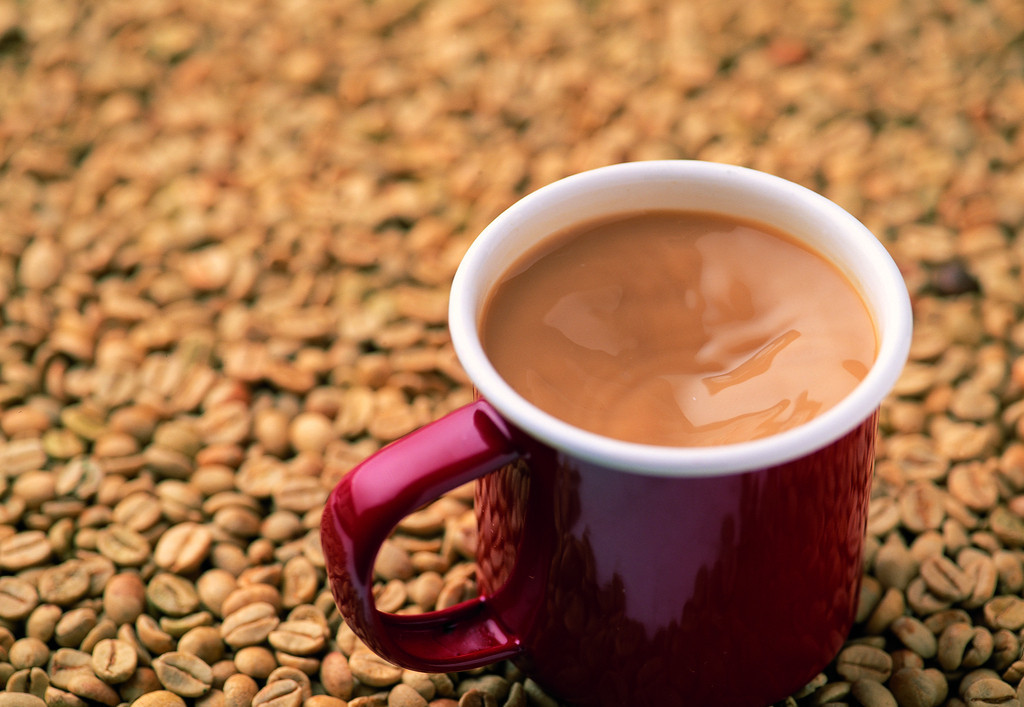
White coffee is a lightly roasted coffee that originates exclusively from Malaysia. Unlike traditional black coffee, which is roasted with sugar and subjected to high heat resulting in burnt, acidic, and bitter notes, white coffee skips the sugar and is roasted at lower temperatures. This preserves more of the bean’s natural flavours while reducing bitterness, acidity, and harshness. The result is a smoother, mellower cup with lower caffeine content, gentler on the stomach, and free from the burnt aftertaste common in traditional roasts. It’s not a milk-based drink—it’s simply very lightly roasted coffee.
Frequently Asked Questions
What is Jamaican Blue Mountain coffee and where is it grown?
Jamaican Blue Mountain coffee is grown at elevations above 2,500 feet in Jamaica’s Blue Mountains. It’s known for a mild acidity, smooth texture, subtle sweetness, and delicate complexity. The beans are considered among the most premium and are often associated with luxury coffee experiences.
What makes Yemen Mocha coffee different from other coffees?
Yemen Mocha coffee is renowned for its medium to high acidity, rich sweetness, and distinctive chocolate-like flavour notes. It’s considered one of the most unique and historically significant coffees, often described as refined and elegant—sometimes likened to the taste profile of a 'fine lady' among coffees.
What is Colombian Supremo coffee known for?
Colombian Supremo is celebrated for being soft, mellow, and sweet with moderate acidity. It’s a well-balanced, medium-bodied coffee that’s highly consistent in flavour and aroma, making it an excellent choice for blending or drinking on its own.
Why is Mandheling coffee so full-bodied?
Mandheling coffee from Sumatra, Indonesia, is full-bodied and rich due to its processing and regional characteristics. It has a heavy mouthfeel, intense flavour, and almost no acidity, making it smooth and easy-drinking despite its strength.
What does 'carbon roast' mean in coffee?
Carbon roast, also called charcoal-fired roast, refers to an extremely dark roast that results in a bitter, oily bean with no acidity. It’s used primarily for espresso or strong brewed coffee where a bold, roasted flavour is desired.
Is Brazilian Santos coffee high in acidity?
No, Brazilian Santos coffee is known for its mild, neutral flavour with soft acidity and gentle bitterness. It’s a medium-bodied coffee often used in blends to provide balance and smoothness.
What is special about Kenya AA coffee?
Kenya AA is the highest grade of Kenyan coffee, known for its full body, bright acidity, and intense, complex flavours. The AA grade indicates large, high-quality beans, typically enjoyed as a light roast for maximum fruitiness.
What is Vienna coffee?
Vienna coffee is not a bean type but a drink made with espresso topped with whipped cream and chocolate syrup. It often includes colourful sprinkles and is sipped through the cream for a sweet and bitter contrast.
What is white coffee and how is it different?
White coffee is a Malaysian-style lightly roasted coffee without sugar or heavy roasting. It has lower acidity, less bitterness, and a smoother, mellower taste compared to traditional black coffee. It’s also lower in caffeine and easier on the stomach.
Recommended FrontStreet Coffee for Exploring Origins
For exploring classic single origins, try FrontStreet Coffee’s Jamaica Blue Mountain, known for its mild and refined profile; their Ethiopian Yirgacheffe for bright, floral acidity akin to fine Mocha; and the Sumatra Mandheling offering full body and earthy depth. Each reflects the true character of its origin. Freshly roasted within 5 days · Orders placed before 17:00 ship the same day · Next-day delivery across most of Guangdong Province.
FrontStreet Coffee is a long-established specialty coffee roaster in Guangzhou China, selling freshly roasted beans from its own farm in Yunnan as well as dozens of carefully selected single-origin beans from around the world for both pour-over and espresso. The products deliver consistently excellent quality and great value, with shipping within 24 hours. Guangzhou's FrontStreet Coffee shop is recommended by many coffee lovers, and the beans are now available online at the Tmall 。
Important Notice :
前街咖啡 FrontStreet Coffee has moved to new addredd:
FrontStreet Coffee Address: 315,Donghua East Road,GuangZhou
Tel:020 38364473