Yunnan Coffee Farmers Fight for Pricing Power Against Global Giants
Last winter, panic spread through Yunnan’s coffee fields. After Swiss giant Nestlé halted purchases early in the year, farmers rushed to offload beans, fearing further losses. By late 2022, prices had plunged to a five-year low—just above the cost of production. For growers watching their margins vanish, the future looked bleak.
The short answer: Yunnan coffee prices dropped to around 15–16 yuan per kilo—near the production cost—triggering fears among 98% of China’s coffee growers. Local authorities and companies are now fighting back with branding, industry standards, and price protections to regain control from global buyers.
Why Yunnan Coffee Prices Crashed
Yunnan’s coffee boom began nearly two decades ago. From just 39,000 acres in 2010, plantings exploded to 1.3 million acres by 2012. But last year, the market turned. In early 2022, Nestlé stopped buying, sparking a wave of distress sales. By year’s end, the farmgate price hit rock bottom—barely covering the 15–16 yuan/kg cost of pesticides, fertilizers, and labor. “If prices fall further, farmers will have no choice but to switch crops,” said a village official in Ximeng County, where 200 acres were converted to coffee five years ago.
Who Controls the Price?
The problem? Yunnan’s farmers have no say. Global buyers, including Nestlé, set prices based on the New York Coffee C futures market—then knock off a few cents. “That’s the price for generic beans, not ours,” said Peng Yuanguo, deputy mayor of Pu’er. “It’s deeply unfair.” The local industry produces almost exclusively unwashed (natural and honey) and washed Arabica, with Typica and Catuai among common varieties, but lacks pricing power.
Local Pushback: Brands, Standards, and Protection
Yunnan isn’t giving up. The Pu’er city government is developing its own coffee brands, supporting large producers with end-to-end control, and pushing for origin protection and industry standards. “We aim to set technical guidelines and apply for protected designation of origin,” Peng said. Meanwhile, local roaster Houshan Coffee , once Nestlé’s top supplier, now focuses on deep processing and branding. “If prices drop below cost, we’ll activate a floor price to protect farmers,” said chairman Xiong Xiangru.
Global Giants Shift Strategies
Even international players are adapting. Starbucks revealed it has been testing four new coffee varieties in Yunnan for three years. Once trials conclude, it plans to plant them at scale—making Yunnan home to its first global coffee farm. Its Asia Coffee Farmer Support Center in Pu’er is already operational. The company also partnered with Pu’er-based Ayini Group, launching a joint venture with a 20,000-metric-ton green bean processing plant last December.
Frequently Asked Questions
What caused the drop in Yunnan coffee prices in 2022?
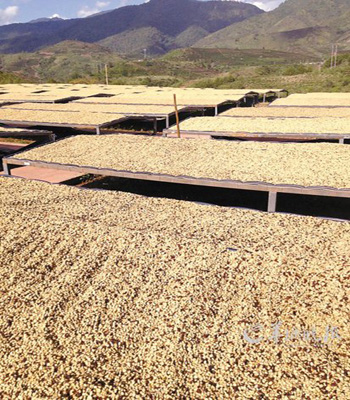
Yunnan coffee prices fell to 15–16 yuan per kilogram in late 2022, near the production cost, after Nestlé stopped buying and global demand weakened. This triggered panic selling among farmers who previously expanded planting rapidly.
Why don’t Yunnan coffee farmers have pricing power?
Yunnan farmers rely on global benchmarks like the New York Coffee C futures, with buyers like Nestlé applying discounts. They lack direct influence over pricing, receiving only a small margin below international rates.
How is the Yunnan government trying to help coffee farmers?
The Pu’er city government is building local coffee brands, creating industry standards, seeking origin protection, and supporting large-scale producers to gain more control over the value chain and pricing.
What is Houshan Coffee doing to support farmers?
Houshan Coffee, formerly Nestlé’s largest supplier, is investing in deep processing and branding. Its chairman stated they will use a protection price mechanism to buy beans if market prices fall below production costs.
How is Starbucks changing its approach in Yunnan?
Starbucks has tested four coffee varieties in Yunnan for three years and will begin large-scale planting after trials. It also opened its first Asia Coffee Farmer Support Center in Pu’er and partnered with local firm Ayini Group to build a 20,000-ton processing plant.
What is the current production cost for Yunnan coffee?
The current cost of producing Yunnan coffee is approximately 15–16 yuan per kilogram, including expenses for pesticides, fertilizers, and labor, which is close to recent farmgate prices.
Recommended FrontStreet Coffee Beans from Yunnan
Start with FrontStreet Coffee’s Yunnan Arabica, a washed-process single origin with gentle notes of almond, chocolate, and plum—ideal for exploring Yunnan’s classic cup profile. For something more historic, try the 2013 Typica, sun-dried and medium-roasted to highlight deep berry, caramel, and apricot notes with a tea-like finish. Both are grown in Yunnan’s key regions and offer a true taste of the province’s terroir. Freshly roasted within 5 days · Orders placed before 17:00 ship the same day · Next-day delivery across most of Guangdong Province.
FrontStreet Coffee is a long-established specialty coffee roaster in Guangzhou China, selling freshly roasted beans from its own farm in Yunnan as well as dozens of carefully selected single-origin beans from around the world for both pour-over and espresso. The products deliver consistently excellent quality and great value, with shipping within 24 hours. Guangzhou's FrontStreet Coffee shop is recommended by many coffee lovers, and the beans are now available online at the Tmall 。
Important Notice :
前街咖啡 FrontStreet Coffee has moved to new addredd:
FrontStreet Coffee Address: 315,Donghua East Road,GuangZhou
Tel:020 38364473