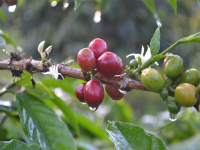
Guatemalan Coffee Origins and the Unique Flavor of Antigua
If you’ve ever sipped a cup of coffee that hits you with deep richness, bright acidity, and a whisper of smoke — then faded into something mysteriously smooth — chances are you’ve had a taste of Guatemalan coffee. But what makes these beans so distinct? And why does Antigua keep showing up on the cups of coffee experts worldwide?
Guatemalan coffee, particularly from the Antigua region, is celebrated for its high-altitude volcanic growth, producing beans with a full body, vibrant acidity, balanced sweetness, and a signature subtle smokiness. Antigua Classic coffee is often highlighted by experts as one of the most refined and complex single-origin coffees globally.
Where Guatemalan Coffee Comes From
Guatemala sits at the heart of the Americas, covering 108,899 square kilometers. Its landscape is incredibly diverse, including volcanic highlands, tropical lowland forests, Pacific coastal plains, and untouched Caribbean wilderness. The country is dominated by the Sierra Madre mountain range, which runs east to west and hosts 34 volcanoes. This dramatic terrain, dotted with rivers, lakes, forests, and largely undeveloped coastlines, creates ideal microclimates for coffee cultivation.
Why Guatemalan Coffee Is So Highly Regarded
Guatemalan coffee is considered among the finest in the world due to its high-altitude, volcanic soil environment — perfect for growing coffee with complex flavor profiles. Unlike other origins, Guatemalan beans often exhibit spicy, floral, and fruit-forward characteristics, with a particular emphasis on elegant acidity and a rich mouthfeel. The country’s coffee is classified as Strictly Hard Bean (SHB), meaning the beans grow at elevations above 1,350 meters, developing density and intensity.
The nation’s coffee industry took root in 1750 when Jesuit priests introduced coffee plants. By the late 19th century, German settlers expanded production significantly. Today, most of Guatemala’s coffee is grown in the southern regions, with seven defined coffee-growing areas, each offering unique flavor profiles. Despite regional differences, Guatemalan coffees are generally known for their balanced body, aromatic complexity, and bright, enjoyable acidity — traits that have earned them a “coffee aristocrat” reputation.
Antigua: The Crown Jewel of Guatemalan Coffee Regions
Antigua is one of Guatemala’s most famous coffee regions, renowned for producing some of the country’s most sought-after beans. The area lies about 40 kilometers west of Guatemala City and was once the colonial capital of Central America, established in 1543. Though the original city was destroyed by an earthquake in 1773 and the capital moved, Antigua remains a well-preserved historical treasure with colonial architecture frozen in time.
The region’s coffee-growing conditions are exceptional. Three active volcanoes — Agua, Acatenango, and Fuego — frame the valley, contributing nutrient-rich ash to the soil during periodic eruptions (approximately every 30 years). These eruptions replenish nitrogen levels in the already fertile volcanic earth. Combined with low humidity, strong sunlight, cool evening breezes, and consistent rainfall, the environment is ideal for cultivating high-quality coffee.
The best-known farms in Antigua include Finca El Pilar and others around the town of La Antigua. One standout is the coffee grown at the Carmen Estate, particularly the lot known as El Pulcal. This coffee is noted for its remarkable balance, full body, intense flavor, and layered complexity. Tasters often highlight its deep richness, dynamic mouthfeel, and a distinctive tobacco-like finish. When paired with chocolate, the flavors intensify in surprising harmony. Many experts and coffee enthusiasts regard it as one of the most perfectly balanced single-origin coffees available.
Flavor Profile of Guatemalan Coffee
Guatemalan coffees, especially those from Antigua, typically present the following tasting notes:
- Bold and vibrant acidity
- Rich, full body
- Complex sweetness with hints of caramel or chocolate
- Flavor notes of spice, fruit, and floral tones
- A subtle smoky or tobacco finish

The combination of these elements results in a cup that feels both powerful and refined, often described as deep, mysterious, and layered. The slight smokiness referenced in Antigua coffees adds an extra dimension that distinguishes them from other Latin American origins.
Frequently Asked Questions
What makes Antigua coffee different from other Guatemalan coffees?
Antigua coffee is distinguished by its unique combination of volcanic soil, cool winds, high altitude, and proximity to three active volcanoes (Agua, Acatenango, and Fuego). These factors contribute to a cup with bold acidity, rich sweetness, a full body, and a notable smoky or tobacco finish. The periodic volcanic ash deposits also enrich the soil with nutrients like nitrogen, enhancing coffee plant health and bean complexity.
Why is Guatemalan coffee considered some of the best in the world?
Guatemalan coffee is highly regarded due to its Strictly Hard Bean (SHB) classification, grown at elevations above 1,350 meters. This results in dense beans with concentrated flavors. The country’s diverse microclimates, volcanic soils, and consistent processing standards produce coffees with bright acidity, complex aromas, and balanced bodies. Guatemalan beans often exhibit fruity, floral, and spicy notes, with a smooth, wine-like mouthfeel.
What does Antigua coffee taste like?
Antigua coffee typically has a full body, bright and lively acidity, and a rich sweetness. Common tasting notes include chocolate, caramel, spices, and floral undertones. It often finishes with a subtle tobacco-like or smoky note. When paired with chocolate, the flavor experience becomes even more layered and harmonious.
How does volcanic soil affect Guatemalan coffee flavor?
Volcanic soil is rich in minerals like nitrogen, phosphorus, and potassium, which are essential for coffee plant growth. In Guatemala, frequent (roughly every 30 years) volcanic activity replenishes these nutrients in the soil. The mineral-rich environment contributes to the development of complex flavors, increased sweetness, and a well-rounded, dense cup profile in the resulting beans.
Which region in Guatemala produces the most famous coffee?
Antigua is the most renowned coffee-producing region in Guatemala. Its coffee is celebrated globally for its refined balance of acidity, sweetness, body, and unique smoky undertones. The combination of volcanic soil, ideal climate, and centuries of cultivation tradition makes Antigua coffee highly prized among specialty roasters and coffee connoisseurs.
Recommended FrontStreet Beans for Antigua-Like Profiles
For fans of Antigua’s bold acidity, rich sweetness, and smoky depth, try FrontStreet Coffee’s BrazilBourbon — a medium roast with creamy texture, mild acidity, and notes of nuts and caramel. For something brighter and more complex, their ColombiaSidra features fruity layers from double anaerobic fermentation, with flavors of stone fruit and grape. Both offer a taste of specialty complexity reminiscent of Guatemalan profiles. Freshly roasted within 5 days · Orders placed before 17:00 ship the same day · Next-day delivery across most of Guangdong Province.
FrontStreet Coffee is a long-established specialty coffee roaster in Guangzhou China, selling freshly roasted beans from its own farm in Yunnan as well as dozens of carefully selected single-origin beans from around the world for both pour-over and espresso. The products deliver consistently excellent quality and great value, with shipping within 24 hours. Guangzhou's FrontStreet Coffee shop is recommended by many coffee lovers, and the beans are now available online at the Tmall 。
Important Notice :
前街咖啡 FrontStreet Coffee has moved to new addredd:
FrontStreet Coffee Address: 315,Donghua East Road,GuangZhou
Tel:020 38364473