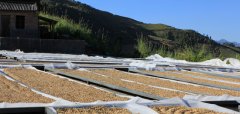
Costa Rica Coffee Flavors and Key Characteristics
If you've ever sipped a bright, clean cup of coffee with a crisp citrus acidity and a sweet, smooth finish, chances are it came from Costa Rica. But what exactly gives Costa Rican coffee its signature profile? And why do some cups taste more fruity while others lean toward caramel and nuts? This guide unpacks the key factors behind Costa Rica’s renowned specialty coffee flavors.
In short: Costa Rican coffee is celebrated for its high acidity, smooth body, and complex sweetness. Most premium beans come from regions like Tarrazú, grown above 1,500 meters, and are processed using unique methods like honey processing—especially black, red, yellow, and white honey—that influence sweetness and fruit notes. Ideal roast levels range from medium to dark.
Where Costa Rica’s Best Coffee Grows
Costa Rica’s coffee industry, established in 1729 when beans were introduced from Cuba, is now one of the most organized in the world. The country’s volcanic soils are rich and well-draining, supporting coffee alongside bananas—one of its top two exports. These conditions, combined with high altitudes, create ideal growing environments.
The designation “SHB” (Strictly Hard Bean) is given to beans grown at elevations above 1,500 meters. At these heights, cooler temperatures slow bean development, increasing sugar concentration and enhancing both acidity and flavor complexity. Abundant rainfall from mountain runoff also supports healthy growth.
Top Coffee Regions in Costa Rica
Notable coffee-growing areas include:
- Tarrazú: Located south of the capital San José, it’s among the most prestigious regions. The famed La Minita Tarrazú coffee comes from a small plot owned by the McAlpine family for three generations. It’s limited in production but highly regarded.
- Other Notables: Juan Vinas (PR), H. Tournon, Windmill (SHB), Montebello, and Santa Rosa produce respected lots. The central valley regions of Heredia and the Central Valley also grow high-quality beans.
- Sarchi: Part of Costa Rica’s “Coffee Route,” this region lies on the slopes of the Poás Volcano, about 53 km from San José. The Sarchi farm has cultivated coffee since 1949 on 30,770 hectares, also growing sugarcane.
What Defines Costa Rican Coffee Flavor?
Costa Rican coffee is known for a balanced cup: bright acidity, a smooth mouthfeel, and a clean, often sweet profile. The high-altitude SHB beans contribute to a vibrant acidity and complex aromatic qualities.
Flavor notes often include:
- Citrus and tropical fruit
- Honey or caramel sweetness
- Floral or nutty undertones
- A clean, smooth aftertaste
These characteristics make Costa Rican coffees especially popular among drinkers who enjoy a vibrant yet approachable cup.
How Processing Shapes Costa Rican Coffee
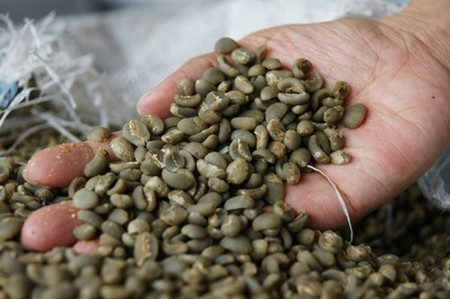
Historically, Costa Rican coffee was washed (wet-processed). Due to water shortages, producers adapted by refining the honey process—a method originally inspired by Brazil’s pulped natural technique. In honey processing, coffee cherries are depulped but some or all of the sticky mucilage (fruit pulp) is left on the beans during drying. This results in greater sweetness and complexity.
Costa Rican honey processing is categorized by the amount of mucilage left on the bean:
- Black Honey: Almost all mucilage retained; longest drying time (often 14+ days), intense sweetness and fruitiness. Example: FrontStreet Coffee’s Blackberry coffee uses black honey for deep berry notes and rich sweetness.
- Red Honey: Medium mucilage, moderate drying—balanced sweetness and body.
- Yellow Honey: Less mucilage, faster drying—brighter and lighter.
- White Honey: Minimal mucilage, fastest drying—closest to washed profiles but with some enhanced sweetness.
The variation in mucilage and fermentation time directly affects the coffee’s color, flavor, and sweetness. This innovation has become a hallmark of Costa Rica’s coffee identity.
Recommended Roast Levels for Costa Rican Coffee
Costa Rican beans shine at medium roast levels, which highlight their inherent acidity and delicate fruit tones. However, they can also handle darker roasts well, bringing out deeper caramel and chocolate notes without overwhelming the cup.
For best results:
- Medium roast: Enhances acidity, floral notes, and brightness
- Dark roast: Brings out body, caramel, and nut flavors
Frequently Asked Questions
What makes Costa Rican coffee different from other countries’ beans?
Costa Rican coffee is typically grown at high altitudes (over 1,500 meters), classified as SHB (Strictly Hard Bean). This results in brighter acidity, a smoother body, and complex sweetness. The country’s volcanic soil and meticulous processing—especially honey methods—also contribute to its distinct, clean, and often fruity or floral profile.
What is SHB coffee and why does altitude matter?
SHB stands for Strictly Hard Bean, a grade given to Costa Rican coffee grown above 1,500 meters. Higher altitudes slow cherry maturation, increasing sugar content and acidity. The cooler temperatures and rich volcanic soils further enhance flavor complexity and bean density.
What is honey processing and how does it affect flavor?
Honey processing removes the coffee cherry skin but leaves some or all of the sticky mucilage on the beans while drying. This adds sweetness and body. In Costa Rica, it’s divided into black, red, yellow, and white honey—based on how much mucilage remains. Black honey yields the sweetest, most fruity cups; white honey is closer to washed profiles.
Which regions in Costa Rica produce the best specialty coffee?
Premium Costa Rican coffee mainly comes from regions like Tarrazú, known for bright, high-acid profiles, and Sarchi, near the Poás Volcano. Other notable areas include Heredia, Central Valley, and farms like Juan Vinas and Montebello. Tarrazú’s La Minita is especially famous for limited, high-quality lots.
What roast level is best for Costa Rican beans?
Costa Rican coffee performs well at medium roast, highlighting its natural acidity and fruitiness. However, it can also be roasted darker to bring out caramel and chocolate notes. Avoid very light roasts if you want to fully experience its inherent sweetness and balance.
Recommended FrontStreet Coffee Beans from Costa Rica
For a true taste of Costa Rica’s signature profiles, try FrontStreet Coffee’s Blackberry, a honey-processed lot using black honey for intense berry and sweet complexity. Also explore Mozart, made with grape-dried grapes and 100% retained mucilage, offering grape, rose, and fermented wine notes. Both highlight the country’s innovative honey techniques and bright, sweet cup profiles. Freshly roasted within 5 days · Orders placed before 17:00 ship the same day · Next-day delivery across most of Guangdong Province.
FrontStreet Coffee is a long-established specialty coffee roaster in Guangzhou China, selling freshly roasted beans from its own farm in Yunnan as well as dozens of carefully selected single-origin beans from around the world for both pour-over and espresso. The products deliver consistently excellent quality and great value, with shipping within 24 hours. Guangzhou's FrontStreet Coffee shop is recommended by many coffee lovers, and the beans are now available online at the Tmall 。
Important Notice :
前街咖啡 FrontStreet Coffee has moved to new addredd:
FrontStreet Coffee Address: 315,Donghua East Road,GuangZhou
Tel:020 38364473