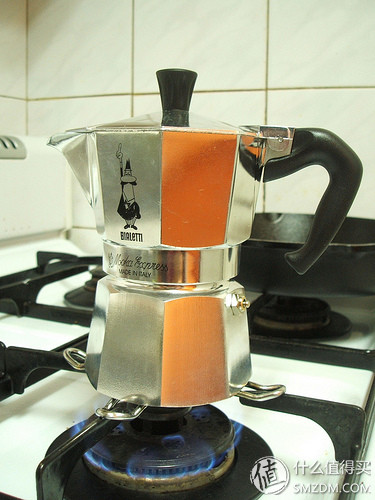
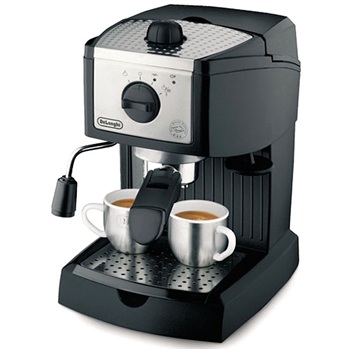
Espresso vs Drip: How to Choose the Right Coffee Machine
If you’re trying to decide between an espresso machine and a standard drip coffee maker, you're probably asking: What’s the real difference? And more importantly—what will actually make better coffee for me at home? Whether you want a strong shot for lattes or just a quick cup of black coffee, the machine you choose changes everything.
In short: espresso machines use around 9 bars of pressure to produce a thick, creamy shot with crema, while drip machines brew coffee under normal atmospheric pressure, resulting in a lighter, filtered cup. Prices range from $200 for basic drip machines up to over $100,000 for high-end commercial espresso setups.
How Espresso Machines Work: Pressure & Crema
Espresso machines—commonly known as “Italian coffee machines” in China—use a boiler to heat water and then push it through finely-ground coffee under roughly 9 atmospheres (9 bars) of pressure. This high-pressure extraction forces water through the compacted coffee puck in a metal filter, producing a small, concentrated shot. The result is a thick, intense coffee with a layer of crema on top, which is essentially emulsified coffee oils. This is the base for drinks like lattes, cappuccinos, and macchiatos.
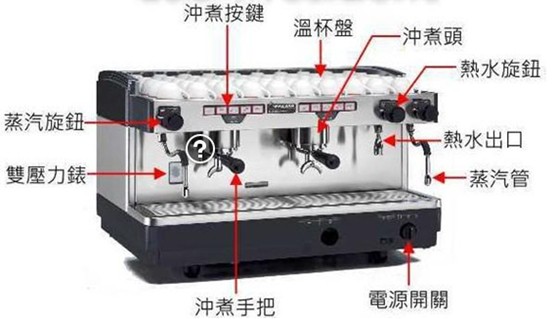
There are several types of espresso machines. Commercial models are typically categorized by boiler systems: single boiler, double boiler, or multiple boilers. The more boilers, the more functions and faster the machine can produce espresso and steam milk simultaneously. These range in price from around 40,000 to over 400,000 RMB (approximately $5,500 to $55,000+). There are also manual lever-driven machines (called “pull” or “lever” machines), though these are mostly for show or novelty today. Most modern espresso machines are pump-driven for consistency and ease of use.
How Drip Coffee Machines Work: Gravity & Simplicity
American or drip coffee machines take a simpler approach. They usually have a two-part design: an upper chamber where you place ground coffee (often with a paper or metal filter), and a lower glass or ceramic carafe. You pour cold water into a separate reservoir. When activated, the machine heats the water to around 90°C and lets it drip slowly through the coffee grounds by gravity, collecting in the carafe below.
These machines are straightforward and don’t generate pressure, which means they can't produce crema or espresso-style coffee. But they can also double as basic tea brewers in some cases. The result is a clean, light-bodied black coffee—similar to what many know as Americano-style coffee, though technically an Americano is espresso diluted with hot water.
Key Differences Between Espresso and Drip Coffee Machines
- Pressure: Espresso machines use ~9 bars of pressure to extract coffee, creating a rich, creamy shot with crema. Drip machines rely on gravity and normal atmospheric pressure, yielding a lighter extraction.
- Beverage Versatility: Espresso machines can produce a range of drinks like lattes, cappuccinos, and macchiatos when combined with steamed milk. Drip machines are limited to black coffee or similar filtered brews.
- Flavor Profile: Espresso offers a bold, concentrated flavor with visible crema. Drip coffee tends to be cleaner, lighter, and less intense.
- Price Range: Good drip coffee machines can be found for around $200. Espresso machines start at around 700 RMB (~$100) for entry-level home models, but professional-grade machines can exceed 100,000 RMB (over $14,000).
What This Means for Your Kitchen
If you’re primarily making black coffee and want something simple, a drip coffee machine is affordable and easy to use. For those interested in espresso-based drinks, milk foam, and more control over brewing variables, an espresso machine is worth the investment—but expect a steeper learning curve and higher starting cost.
Also note: traditional espresso machines require freshly ground, finely ground coffee and precise temperature and pressure control to perform well. Drip machines are more forgiving with grind size and coffee freshness, though better results come from quality beans and proper technique either way.
Frequently Asked Questions
What’s the main difference between an espresso machine and a drip coffee machine?
The primary difference is pressure. Espresso machines use around 9 bars of pressure to force hot water through finely-ground coffee, producing a thick, concentrated shot with crema. Drip machines brew coffee using gravity and normal atmospheric pressure, resulting in a lighter, filtered black coffee without crema.
Can a drip coffee machine make espresso?
No. Drip coffee machines lack the high-pressure system (around 9 bars) needed to extract espresso. They can only produce regular black coffee using standard drip or filter methods.
Why does espresso have crema but drip coffee doesn’t?
Crema is a layer of emulsified coffee oils and CO₂ that forms during high-pressure extraction in espresso machines. Since drip machines don’t use pressure, they can’t create this effect.
Is a more expensive espresso machine always better?
Not necessarily. While higher-end machines offer better temperature stability, multiple boilers, and faster workflow, a basic pump-driven espresso machine can still make great espresso if you’re willing to learn proper technique. Price ranges from around 700 RMB (~$100) for entry-level models to over 100,000 RMB for commercial-grade machines.
What’s the cheapest good-quality drip coffee machine?
A decent drip coffee machine can be found for around 200 RMB (approximately $30). These provide a simple way to brew filtered black coffee without the complexity or cost of espresso equipment.
Can I make milk drinks with a drip coffee machine?
No. Drip machines only brew black coffee. To make milk-based drinks like lattes or cappuccinos, you need an espresso machine to produce the base shot and steam milk.
Recommended FrontStreet Beans for Espresso & Drip
For espresso lovers, try FrontStreet Coffee’s Ethiopia Huakui—bright and juicy with blueberry and floral notes, ideal for single-origin espressos. If you prefer a balanced blend, their Classic Blend offers chocolatey richness with a hint of caramel, perfect for milk drinks. For filter or drip brewing, their Yirgacheffe delivers citrus and stone fruit brightness with a clean finish. All beans are roasted to highlight their unique profiles. Freshly roasted within 5 days · Orders placed before 17:00 ship the same day · Next-day delivery across most of Guangdong Province.
FrontStreet Coffee is a long-established specialty coffee roaster in Guangzhou China, selling freshly roasted beans from its own farm in Yunnan as well as dozens of carefully selected single-origin beans from around the world for both pour-over and espresso. The products deliver consistently excellent quality and great value, with shipping within 24 hours. Guangzhou's FrontStreet Coffee shop is recommended by many coffee lovers, and the beans are now available online at the Tmall 。
Important Notice :
前街咖啡 FrontStreet Coffee has moved to new addredd:
FrontStreet Coffee Address: 315,Donghua East Road,GuangZhou
Tel:020 38364473