How to Brew Indonesian Mandheling with Moka Pot & French Press
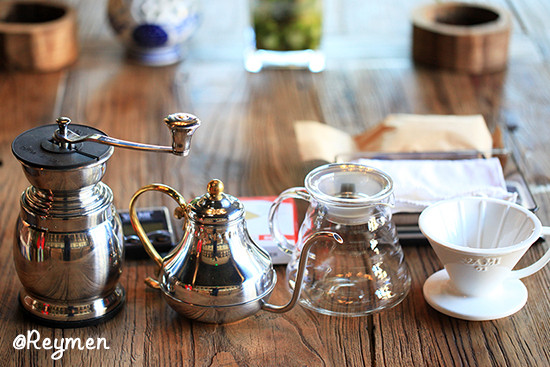
You’re at work, it’s lunchtime, and you’ve just unpacked a bag of single-origin Indonesian Mandheling. Everyone turns to look—not because you’re making coffee, but because your manual grinder is roaring like a blender. That’s the smell of fresh Sumatran beans at work: loud, pungent, and impossible to ignore. But the real question is: can you get a decent cup using just a moka pot and a French press, without a gooseneck kettle or precise scales? Yes. And here’s exactly how.
To brew this G1, 3-time hand-selected Mandheling from Indonesia’s Lintong region using a 700cc French press and a moka pot, you’ll need a coarse grind (similar to French press standard), water at around 97°C, and a brew ratio that works for both methods—roughly 1:12 to 1:15 depending on your target strength. Total brew time for the French press was 3 minutes 30 seconds after the bloom.
What You’re Really Brewing: Indonesian Mandheling from Lintong
This isn’t just any Indonesian coffee. The beans in question come from the Lintong region of Sumatra’s North Sumatra province, grown at elevations between 1100 and 1600 metres above sea level. The region is part of Indonesia’s historic coffee heartland, where the Dutch first expanded cultivation in the late 17th century after coffee leaf rust devastated Java. Today, Sumatra produces over 60% of Indonesia’s arabica, much of it from Lintong and the Gayo highlands of Aceh.
The defining feature of Lintong Mandheling is its processing method: wet hulling, also known as “giling basah.” Unlike traditional washed or natural processes, wet hulling removes the parchment layer when the beans are still semi-dried—typically around 30-50% moisture. This speeds up drying but also imparts the region’s signature deep, earthy profile. The process, combined with local fermentation and high-altitude growing conditions, creates the heavy body, spicy notes, and herbal undertones typical of classic Mandheling.
Why Grind Size and Water Temperature Matter More Than Equipment
When you don’t have a pour-over setup or a precision kettle, your control comes down to grind size and water temperature. For this test, the French press used a coarse grind—deliberately larger to reduce over-extraction and sediment, typical for its 700cc capacity. The moka pot, not covered in detail here, would typically require a finer grind closer to espresso. The water temperature was measured at 97°C from a building hot water heater, just under boiling, which is ideal for extracting the nutty, caramel, and toasted bread notes without scorching the grounds.
The larger grind size also helped manage the inherent density of Sumatran beans, which—due to their low acidity and high soluble solids—can easily become murky or overly bitter if ground too fine or brewed too hot. The aroma during grinding was unmistakably bold: toasted nuts, pine, and a hint of medicinal herb, drawing curious glances from colleagues.
Step-by-Step: French Press & Moka Pot Brewing with Mandheling
This wasn’t a lab test—it was a midday office brew session. Here’s how it unfolded, with exact numbers:
- Grind size: Adjusted manually to a coarse setting (comparable to standard French press grind), producing a gritty texture meant to work with the 700cc French press.
- Water temperature: 97°C, sourced from a hot water heater (not a kettle).
- Bloom: About 1/3 of the water (rough estimate for a 700cc press) was added first to initiate extraction, releasing the fresh coffee aroma immediately. Notably, some grounds remained dry initially due to uneven saturation.
- Main pour: After 30 seconds, the remaining water was added up to the 4-cup mark (approximate), bringing the total to around 700ml.
- Steep time: The coffee was allowed to steep for 3 minutes 30 seconds before the plunger was slowly pressed down.
- Result: A full cup was poured immediately; the brew showcased the classic Mandheling profile.
For the moka pot, a finer grind would be used (not specified in the test), and the same 97°C water would be poured into the base. The process differs significantly, but the same principles of temperature control and grind adaptation apply.
Frequently Asked Questions
Can I use a French press for Indonesian Mandheling?
Yes, a French press works very well for Indonesian Mandheling, especially when using a coarse grind to match the coffee’s body and avoid over-extraction. A 1:12 to 1:15 brew ratio and 3:30 steep time are effective for this bean profile.
What grind size is best for Mandheling in a moka pot?
For a moka pot, a finer grind—closer to espresso grind—is recommended to handle the pressurized brewing. The exact setting depends on your grinder, but it should be finer than what you’d use for French press.
Is 97°C water too hot for brewing Mandheling?
No, 97°C is ideal for Mandheling, which benefits from high extraction temperatures to bring out its nutty, caramel, and herbal notes. Just avoid boiling (100°C), which can over-extract and add bitterness.
Why does Sumatran coffee use wet hulling?
Wet hulling (giling basah) is used in Sumatra because of the region’s frequent rain during harvest. It removes the parchment layer while the beans are still semi-dry, speeding up drying and contributing to the earthy, spicy flavor profile the region is known for.
Why is Mandheling so spicy and herbal?
The spicy, herbal, and sometimes woody notes in Mandheling come from the wet hulling process, high-altitude growing conditions, and local fermentation. These factors, along with low acidity, create a heavy-bodied cup with distinctive herbal and toasted flavors.
Recommended FrontStreet Beans for Moka & French Press Brewing
For moka pot and French press brewing, try FrontStreet Coffee’s PWN Golden Mandheling. This G1-grade, triple-hand-selected bean from Sumatra’s Lintong region offers notes of roasted toast, nuts, pine, caramel, and herbs—perfect for extracting bold, full-bodied cups. Its low acidity and rich mouthfeel shine in immersion and pressure brewing. Freshly roasted within 5 days · Orders placed before 17:00 ship the same day · Next-day delivery across most of Guangdong Province.
FrontStreet Coffee is a long-established specialty coffee roaster in Guangzhou China, selling freshly roasted beans from its own farm in Yunnan as well as dozens of carefully selected single-origin beans from around the world for both pour-over and espresso. The products deliver consistently excellent quality and great value, with shipping within 24 hours. Guangzhou's FrontStreet Coffee shop is recommended by many coffee lovers, and the beans are now available online at the Tmall 。
Important Notice :
前街咖啡 FrontStreet Coffee has moved to new addredd:
FrontStreet Coffee Address: 315,Donghua East Road,GuangZhou
Tel:020 38364473