How to Start a Coffee Shop: Self-Run vs Franchise
Thinking about opening a coffee shop? You’re not alone—but the path from idea to opening day is full of hard choices. One of the first and biggest is whether to go it alone or join a franchise. Both routes have real trade-offs in cost, control, and long-term viability. Here’s what you need to know before taking the plunge.
The short answer? A self-run coffee shop can launch for as little as 150,000 RMB (about $21,000 USD), giving you full menu and design freedom—but demands high personal involvement and marketing effort. Franchises offer brand support and training but often require investments over 160,000 RMB and impose strict operational rules.
Case 1: Self-Run Coffee Shop – BOXSpace’s Hybrid Model
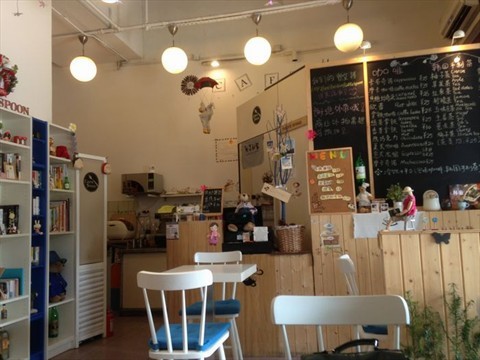
Xiao Lin and friends opened BOXSpace, a low-budget coffee and handcraft workshop, without franchising. With just 150,000 RMB, they built an 80-square-meter space blending coffee, leather crafts, and original clothing. Their goal? A “container” of experiences beyond just coffee—proving that a unique, multi-use concept can work on a small budget.
Their upfront costs broke down as:
- 80㎡ renovation (design, kitchen, sanitation, bar, furniture): ~100,000 RMB
- Equipment (espresso machine, grinder, tableware, fridge): ~40,000 RMB
- Monthly fixed costs (rent 4,000 RMB + 2 staff salaries 6,000 RMB + utilities): >10,000 RMB
Xiao Lin’s advice? Identify your shop’s unique angle, whether it’s hybrid offerings or local flair, and have the courage to start. Self-run shops let you control the menu and style—but demand strong management skills and upfront legwork.
Franchise Pros and Cons: High Barriers, Brand Support
Franchises promise easier starts—you often just pick a location and hire staff. But the costs are steep. For example:
- Coffee Chain “Coffee You” reportedly charged 500,000 RMB per franchise (with media reports of 300+ franchisees paying that fee).
- “Manabe Coffee” (now mostly company-owned since 2013) required investors to fund 5–10 stores (350,000 RMB each) for just 25–30% ownership.
- “Pacific Coffee” asks for 172,500 RMB per store (with 10–15 stores per city minimum).
- Local brand “Cross-Strait Coffee” charges 160,000 RMB + 50,000 RMB deposit, but mandates a 600㎡ minimum size.
Pros include brand recognition, training, and operational support. Cons? High entry fees, rigid rules on sourcing, menu, and decor, and potential communication gaps with the franchisor.
Self-Run Advantages and Challenges: Freedom at a Cost
Going solo lets you craft a unique brand, set your own menu, and design a space that reflects your vision. You control procurement, pricing, and positioning—but face bigger hurdles:
- Higher professional/management demands (you’re the coffee expert, marketer, and manager).
- Limited buying power raises ingredient costs.
- Building brand awareness takes time and marketing effort.
Experts note that self-run shops thrive when the founder prioritizes coffee quality and service—but success depends on upfront planning and resilience during the slow early months.
Key Decisions for Any Coffee Startup
Whether you go self-run or franchise, these factors shape your shop’s success:
- Coffee bean selection: Blends dominate the market, so choosing a reputable brand impacts taste consistency.
- Equipment: Most shops use semi-automatic or manual espresso machines (20,000–40,000 RMB imported; 6,000–10,000 RMB domestic). Don’t forget an ice machine and blender.
- Water quality: Hard water (like mineral water) dulls coffee flavor. Use a softener or filter to ensure clean, soft water for optimal extraction.
- Menu diversity: Few shops sell only coffee. Adding cakes, sandwiches, or cold drinks (especially for self-run brands) boosts appeal and revenue.
Frequently Asked Questions
How much does it cost to open a self-run coffee shop?
As low as 150,000 RMB (~$21,000 USD) for a small, 80㎡ space with basic equipment, including 100,000 RMB for renovation, 40,000 RMB for machines, and over 10,000 RMB in monthly fixed costs (rent, salaries, utilities). This model works for founders with limited budgets but high hands-on involvement.
What are the main advantages of a franchise coffee shop?
Franchises offer brand recognition, standardized training, operational support, and marketing help. They simplify startup steps—you often just need to secure a location and hire staff. However, these benefits come at a higher cost and with stricter rules on sourcing, menu, and design.
What are the downsides of franchising a coffee shop?
High initial investment (often over 160,000 RMB), rigid requirements for ingredients, decor, and menus, and potential communication delays with the franchisor. Investors may also face profit-sharing structures (e.g., only 25–30% ownership in some chains) and limited flexibility.
What makes self-run coffee shops successful?
Unique concepts (like combining coffee with crafts), strong coffee quality, personalized service, and effective local marketing. Self-run shops allow full control over menu, branding, and design but demand high management skills, sourcing efficiency, and patience to build a customer base.
What equipment is essential for a coffee shop?
Most shops rely on semi-automatic or manual espresso machines (20,000–40,000 RMB imported; 6,000–10,000 RMB domestic), grinders, refrigerators, and additional tools like ice machines and blenders. Water quality is also critical—use filters or softeners to avoid flavor issues from hard water.
Should I prioritize coffee quality or menu variety for a self-run shop?
Both matter, but experts emphasize starting with high-quality coffee as the foundation. Adding complementary items (cakes, sandwiches, cold drinks) can attract more customers and increase per-visit spending, especially for shops with a niche or local focus.
Recommended FrontStreet Beans for Indie Coffee Shops
For a self-run coffee shop, FrontStreet’s Ethiopia Yirgacheffe offers bright citrus and floral notes with a juicy body—perfect for highlighting specialty single origins. Pair it with Colombia Huila for balanced caramel and nutty tones, ideal for espresso blends. Both beans showcase FrontStreet’s commitment to origin clarity and consistent roasting, helping your shop stand out with quality and story. Freshly roasted within 5 days · Orders placed before 17:00 ship the same day · Next-day delivery across most of Guangdong Province.
FrontStreet Coffee is a long-established specialty coffee roaster in Guangzhou China, selling freshly roasted beans from its own farm in Yunnan as well as dozens of carefully selected single-origin beans from around the world for both pour-over and espresso. The products deliver consistently excellent quality and great value, with shipping within 24 hours. Guangzhou's FrontStreet Coffee shop is recommended by many coffee lovers, and the beans are now available online at the Tmall 。
Important Notice :
前街咖啡 FrontStreet Coffee has moved to new addredd:
FrontStreet Coffee Address: 315,Donghua East Road,GuangZhou
Tel:020 38364473