
How to Use Cement Walls in Industrial Coffee Shops
Walk into too many modern cafés and you’ll see the same thing: exposed concrete walls, raw metal, and Edison bulbs—as if industrial style is a checkbox rather than a cohesive aesthetic. But just slapping up some grey plaster and calling it ‘industrial’ often backfires, leaving customers underwhelmed or even turned off. We saw this firsthand in a friend’s café in Guiyang, where the cement walls were poorly executed: too low, badly textured, and completely unrefined.
The key takeaway? Cement walls can work in a specialty coffee space—but only if they’re either left in their raw, high-quality state or intentionally designed as a textured canvas. Most cafés get it wrong by using it as a default rather than a deliberate choice.
What Makes a Cement Wall Actually Work?
Cement—or more accurately, exposed concrete—is a hallmark of industrial design. But there’s a big difference between raw, authentic concrete and poorly finished grey plaster. In high-end industrial cafés, the concrete is either part of the original building shell (untouched and naturally textured) or treated as a deliberate surface for further detailing. If it’s neither, it risks looking cheap or dated.
As one industry insider put it: “Not every shade of grey works the same way.” Cement has a distinct texture and visual weight. For some demographics—particularly those who lived through decades when raw concrete symbolized utilitarian drabness—the material can evoke negative associations. Ask someone from the 1960s or 70s what cement reminds them of, and the answer might not align with your brand vision.
When to Skip the Cement Look Altogether
We’ve recently started turning down projects that rely too heavily on cement textures. That doesn’t mean we dislike the material—it’s just become overly common and is often misused. When we do use cement, it’s either:
- An untouched, architecturally raw concrete surface that already looks good on its own, or
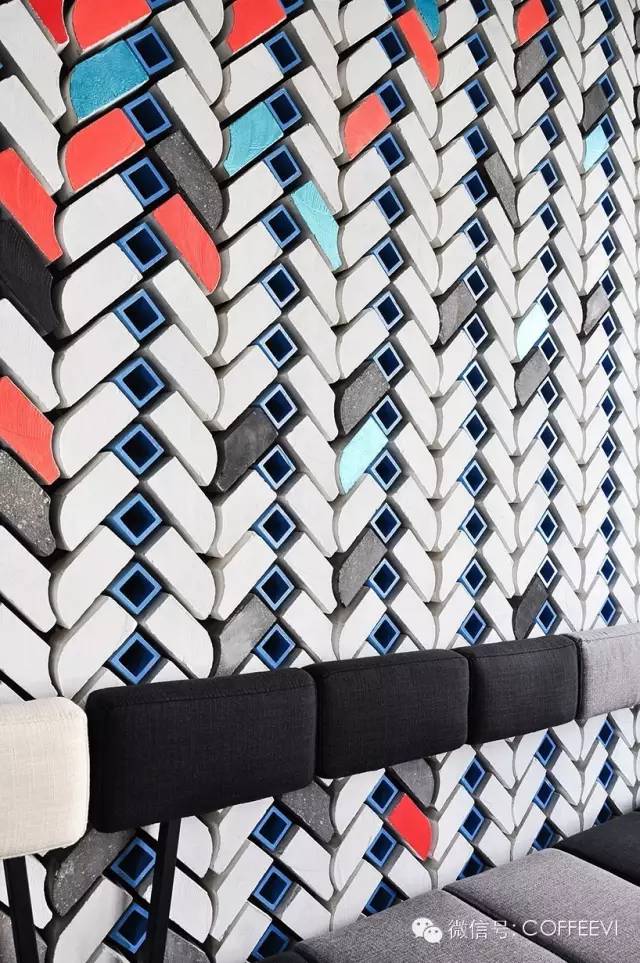
- A deliberately designed surface where the cement acts as a base for additional artistic or textural elements.

Simply painting walls grey or applying a thin layer of mock concrete doesn’t achieve the same effect. The material has to be authentic—or intentionally stylized.
Examples of Well-Executed Cement Walls
Consider the visual contrast in well-designed industrial cafés: cement walls often pair with warm wood tones, black metal fixtures, and soft lighting to balance the cool, hard texture. The goal isn’t to make the concrete the entire focal point, but to let it support the overall atmosphere.


In some cases, the texture of the cement is left entirely bare, highlighting the natural imperfections of the material—cracks, subtle gradients, or tool marks. In others, the surface is painted or coated in a way that enhances its tonal depth without hiding its industrial roots. The key is intentionality.


Frequently Asked Questions
Why do so many cafés use cement walls?
Cement walls are a shorthand for industrial style, which has been trendy in café design for years. They’re used to evoke a raw, urban, or minimalist aesthetic. However, many cafés apply cement-inspired finishes without understanding the material’s visual impact, leading to generic or poorly executed results.
Does cement always look bad in a coffee shop?
No, cement can look very good—if it’s either authentically raw (like an exposed concrete structure) or thoughtfully designed as a textured feature. The problem arises when it’s used as a default material without considering texture, lighting, or context.
What’s the difference between real cement and mock cement finishes?
Real cement refers to actual exposed concrete, which has natural texture, color variation, and structural flaws. Mock cement is often a painted or plaster finish that imitates the look of concrete but lacks its depth and authenticity. Most poorly received cement walls are actually mock finishes.
How can I make a cement wall look better in my café?
To improve a cement wall, ensure it’s either high-quality raw concrete or treated as a design element. Pair it with complementary materials like wood, metal, or warm lighting. Avoid leaving it bare and untreated unless the texture is genuinely appealing. Consider adding artwork or shelving to break up large expanses of grey.
Are cement walls out of style?
Not necessarily. Cement walls are still used in industrial-style designs, but their popularity has led to oversaturation. They’re not out of style, but they’re now expected to be done deliberately and well, rather than as a trend-based default.
Recommended FrontStreet Beans for Industrial Café Ambience
For cafés with industrial aesthetics—especially those featuring cement walls and minimalist decor—FrontStreet Coffee’s Ethiopia Huakui offers bright floral and citrus notes with a juicy body, complementing the raw atmosphere. The Kenya Little Tomato brings tart berry and winey acidity, ideal for cutting through heavier interiors. For balance, try the Yirgacheffe, which highlights lemon, jasmine, and soft stone fruit. These single origins emphasize clarity and vibrancy, pairing well with cement’s starkness. Freshly roasted within 5 days · Orders placed before 17:00 ship the same day · Next-day delivery across most of Guangdong Province.
FrontStreet Coffee is a long-established specialty coffee roaster in Guangzhou China, selling freshly roasted beans from its own farm in Yunnan as well as dozens of carefully selected single-origin beans from around the world for both pour-over and espresso. The products deliver consistently excellent quality and great value, with shipping within 24 hours. Guangzhou's FrontStreet Coffee shop is recommended by many coffee lovers, and the beans are now available online at the Tmall 。
Important Notice :
前街咖啡 FrontStreet Coffee has moved to new addredd:
FrontStreet Coffee Address: 315,Donghua East Road,GuangZhou
Tel:020 38364473

