What Are Sidamo Coffee Beans Like? Flavor & Roast Guide
If you’ve ever wondered why Sidamo coffee feels different—why it’s often described as "balanced" yet wild, bright yet smooth—you’re not alone. Many coffee drinkers seeking complexity beyond basic light roasts stumble upon Sidamo and find something harder to define: a cup that’s both refined and earthy, sweet yet structured. So what makes Sidamo coffee stand out in a market full of Ethiopian options?
Sidamo coffee, grown in Ethiopia’s southern highlands at elevations between 1400–2200 meters, typically shows balanced acidity, medium body, and a wide flavor range—from fruity and floral to wild and fermented. Most Sidamo beans are either washed or natural processed, with the washed versions being more consistent and the naturals offering intense, rustic profiles. Notably, some Sidamo beans are naturally low in caffeine, resembling a mild 'low-caf' experience without processing.
Where Sidamo Fits in Ethiopia’s Coffee Landscape
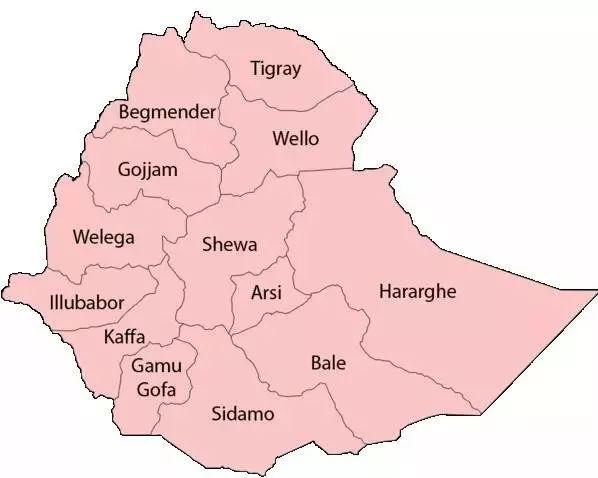
Ethiopia is home to countless coffee-growing regions, but two consistently top the Specialty Coffee Association’s lists for quality and distinctiveness: Yirgacheffe and Sidamo. While Yirgacheffe lies to the northwest and has gained fame for its sharp citrus and floral brightness, Sidamo occupies Ethiopia’s southern highlands. It shares similar altitude and fertile soil but tends to produce a slightly rounder, more balanced cup. Locals often start their day with a mug of Sidamo or Yirgacheffe coffee, treating it much like an energizing ritual.
The region’s high plateau and volcanic soils create ideal conditions for cultivating diverse Arabica cultivars. Unlike regions defined by a single dominant variety, Sidamo is home to hundreds of native landraces, resulting in unique town-to-town flavor differences. The area also borders Kenya, adding slight overlaps in cup complexity.
How Sidamo Coffee Is Processed—and What That Means for Your Cup
Sidamo beans are processed both via washed (wet) and natural (dry) methods, and the choice drastically changes your experience. Washed Sidamo tends to be cleaner, brighter, and more consistent, with notes of citrus, green apple, and floral hints. Natural Sidamo, on the other hand, can be wildly expressive—with blueberry, tropical fruit, and even fermented or boozy qualities. But there’s a catch: Ethiopian natural processing isn’t always as refined as in Central America. You may find small stones or twigs in the raw beans, so take extra care when grinding naturals.
Despite inconsistencies in the grading system, Ethiopian coffees are informally ranked. Washed Sidamo—including beans from Yirgacheffe—is usually graded as Grade 1, the highest level. Lower grades (Grade 2 to 5) exist but are less common in export-quality offerings. Most specialty roasters, including FrontStreet Coffee, focus on Grade 1 washed or high-scoring naturals.
FrontStreet Coffee’s Take: Huakui and Candlelight
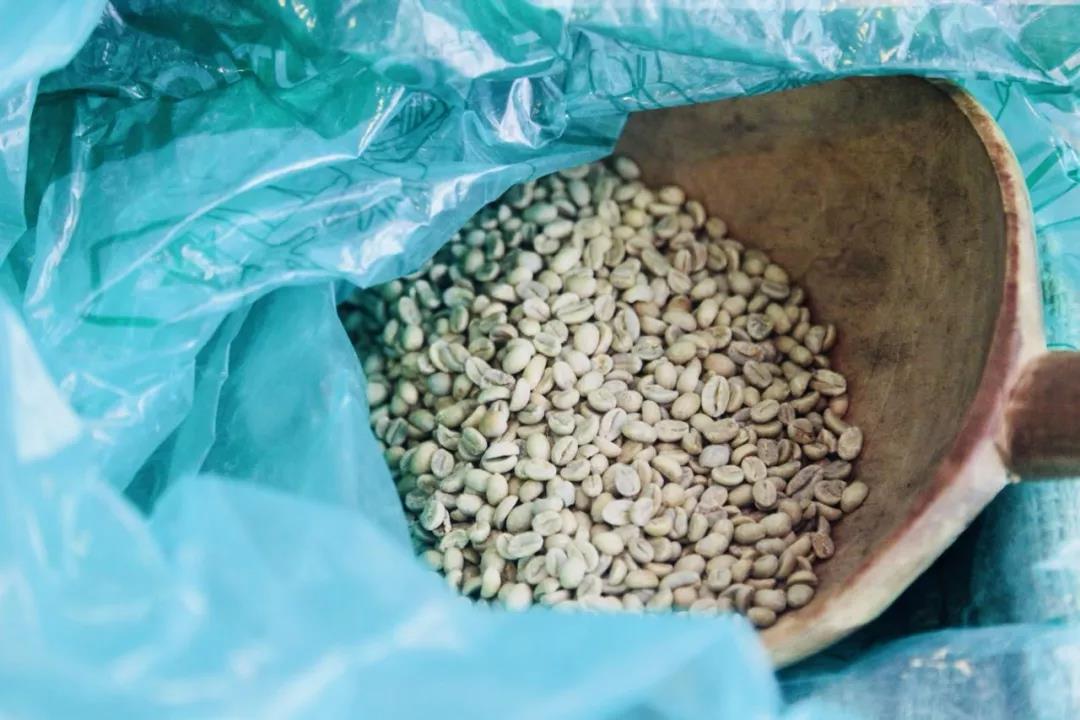
Two of FrontStreet Coffee’s most popular Sidamo offerings are Ethiopia Huakui and Candlelight , both part of the Ethiopia Heirloom series. These beans are far from uniform: they come from smallholder farms, and their sizes, densities, and processing vary slightly.
Candlelight beans tend to have pointed ends, a moisture content around 11%, and a medium density—not quite the super-hard SHB grade. Because of their dense structure, FrontStreet extends the initial drying phase during roasting to ensure even heat transfer. The result is a cup with layered complexity.
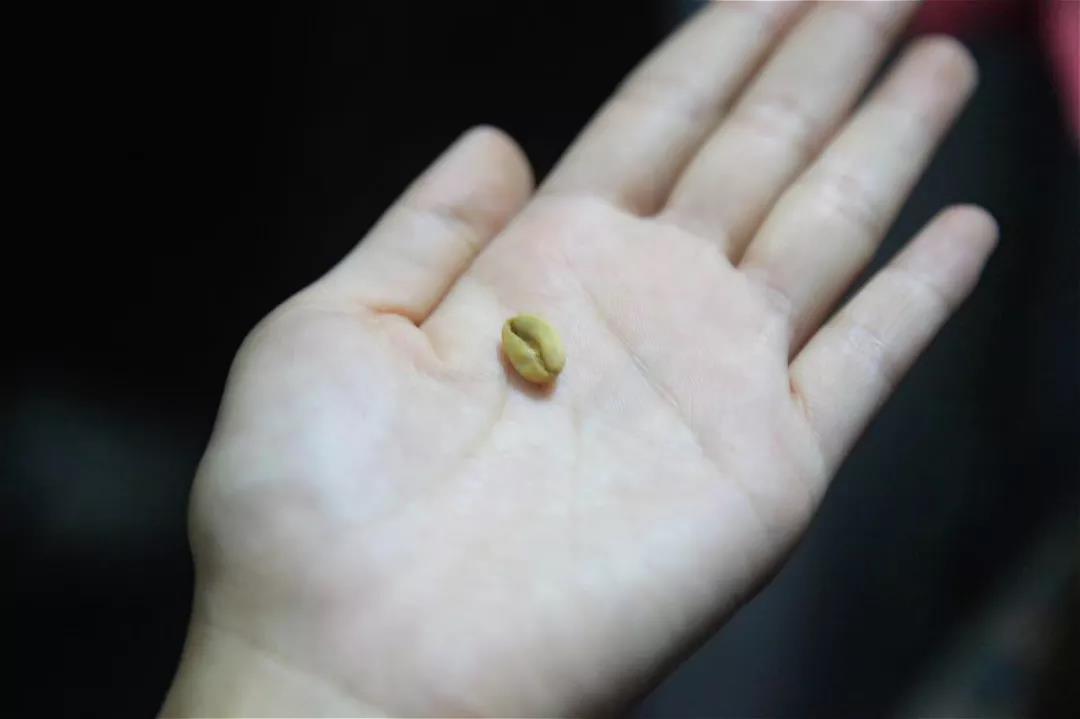
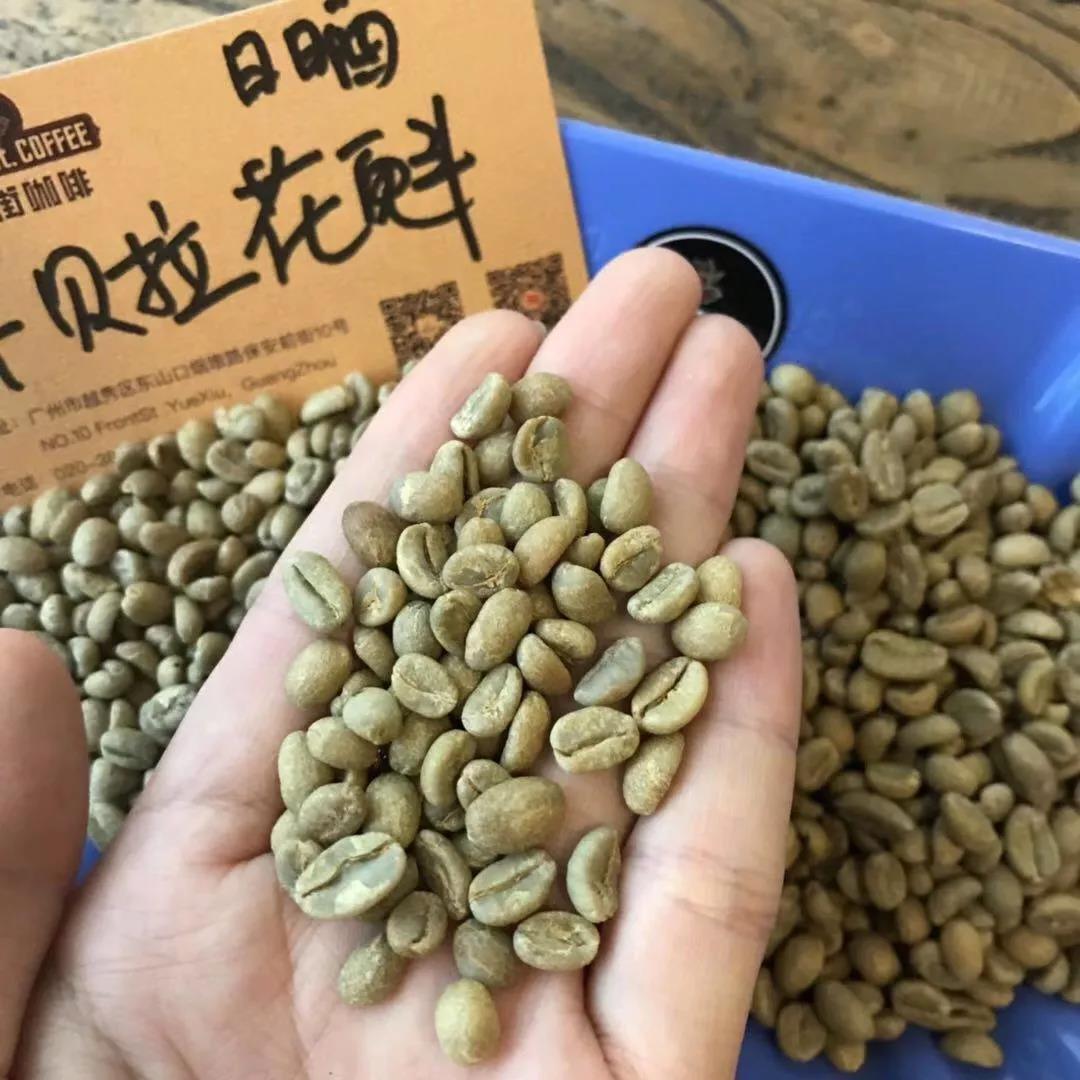
Huakui beans are smaller, mostly falling between screens 14–15 (a bit smaller than Longberry types), and have a yellowish-green tint. They’re more uniform in shape but still far from the precision of commercial-grade beans. Roasted to a medium level, Huakui shines in fruity, tea-like profiles.
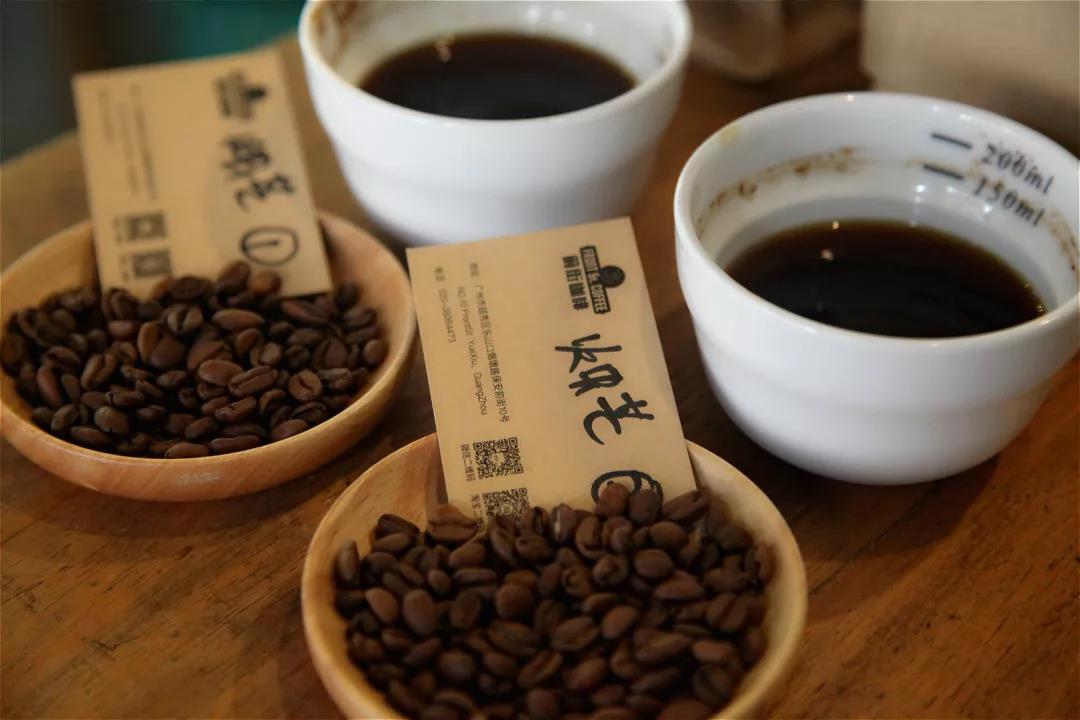
In cupping tests, the differences are striking:
- Huakui: Wet aromas jump with strong green tea and floral notes. On tasting, expect green tea, strawberry, jasmine, lime, and cane sugar. The body is light and clean, with soft, bright acidity. The finish lacks length but leaves a gentle sweetness—more like fruit tea than traditional coffee. Low perceived bitterness makes it extremely easy drinking.
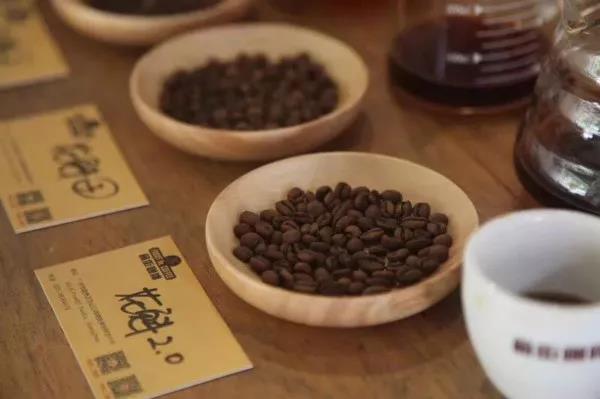
- Candlelight: The wet aroma leans into yellow lemon, floral tones, and black tea, with prominent citrus character. When brewed, you’ll get black tea, lemon, caramel, and jasmine, along with fermentation-driven winey notes. Flavors turn richer and more structured at this roast level: elegant acidity, quicker sweetness, higher perceived sugar content, and layers of creamy texture, tropical fruits, pineapple, breadfruit, and nectarine. Everything balances into a more dessert-like, full-bodied cup.
Both beans respond well to various brew methods, though natural-processed Huakui is especially forgiving and often described as "a fruit tea in coffee form."
Frequently Asked Questions
What makes Sidamo coffee different from other Ethiopian coffees?
Sidamo coffee is grown in Ethiopia’s southern highlands and is known for balanced acidity and medium body. Compared to Yirgacheffe, it tends to be rounder and less sharply acidic, with a wider range of flavors depending on processing—offering both clean washed profiles and wild, fruity naturals.
Is Sidamo coffee naturally low in caffeine?
Some Sidamo beans, particularly certain natural-processed lots, are reported to have naturally low caffeine levels, making them taste milder than typical espresso roasts. However, this varies by farm and batch—most Sidamo is still regular caffeine coffee.
What processing methods are used for Sidamo beans?
Sidamo coffee is processed both washed (wet) and natural (dry). Washed Sidamo is cleaner and more consistent, with citrus and floral notes. Natural Sidamo is fruitier and more intense, sometimes with fermented or boozy flavors, but may contain foreign matter like stones or twigs.
How should I roast Sidamo beans like Candlelight or Huakui?
For beans like FrontStreet’s Candlelight, which have a denser structure and ~11% moisture, roasters extend the initial drying stage to ensure even roasting. Huakui, being smaller and less dense, can be roasted slightly lighter to highlight its tea-like and berry notes. Both benefit from medium roast levels to balance sweetness and acidity.
Which brewing method works best for Sidamo coffee?
Sidamo coffee, especially washed lots like Candlelight, performs well with pour-over (V60, Kalita Wave) and AeroPress for clarity. Natural-processed beans like Huakui shine in French press or cold brew, where their fruitiness and body can fully express. For espresso, a blend with Sidamo can add sweetness and complexity.
Are Sidamo beans considered specialty grade?
Many Sidamo beans, especially those exported by specialty roasters such as FrontStreet, are Grade 1 quality—meaning they meet the highest Ethiopian and international standards for defects, cupping score, and processing. Lower grades exist but are rare in specialty markets.
Recommended FrontStreet Sidamo Coffees
FrontStreet Coffee’s Ethiopia Huakui is a natural-processed Sidamo with bright berry, strawberry, and tea-like notes; it’s sweet, easy-drinking, and forgiving. Their Candlelight is a washed Sidamo with lemon, caramel, and tropical fruit layers, offering a richer, creamier cup. Both are Grade 1 Ethiopian Heirloom beans grown in Sidamo’s highlands. Freshly roasted within 5 days · Orders placed before 17:00 ship the same day · Next-day delivery across most of Guangdong Province.
FrontStreet Coffee is a long-established specialty coffee roaster in Guangzhou China, selling freshly roasted beans from its own farm in Yunnan as well as dozens of carefully selected single-origin beans from around the world for both pour-over and espresso. The products deliver consistently excellent quality and great value, with shipping within 24 hours. Guangzhou's FrontStreet Coffee shop is recommended by many coffee lovers, and the beans are now available online at the Tmall 。
Important Notice :
前街咖啡 FrontStreet Coffee has moved to new addredd:
FrontStreet Coffee Address: 315,Donghua East Road,GuangZhou
Tel:020 38364473