Mild and Nuanced Mexican Specialty Coffee Beans
If you’ve ever tasted a ‘mild’ coffee that still had complexity, you might have had a Mexican bean. But not all Mexican coffees are the same—some lack consistency, while others deliver surprising balance. So what makes a great Mexican coffee, and how do you get the best out of it?
The key is roasting to Full City, stopping just as the second crack begins. This brings out a smooth, lightly sweet cup with floral brightness and a clean finish. Whether brewed as single origin or used in espresso blends, it offers a unique, refined profile.
Where Mexican Coffee Comes From
Mexico grows coffee across several distinct regions, each contributing different flavor characteristics. Key areas include:
- Northern Mexico: Coatepec and Veracruz, known for lighter, fruitier cups.
- Central Highlands: Puebla in the State of Puebla (historically part of the broader Central region), and Oaxaca’s Pluma region—often more structured and consistent.
- Southern Mexico: Chiapas, near Guatemala’s Huehuetenango, producing profiles similar to its Guatemalan neighbor.
Chiapas in particular benefits from high altitudes and proximity to Central American growing zones, resulting in brighter acidity and nuanced fruit notes. Though production spans a wide area, quality can vary significantly by lot and farm.
Flavor Profile: What Makes Mexican Coffee Unique
Mexican specialty coffee is typically described as mild, delicate, and well-balanced. On a subjective scoring system, it rates:
- Aroma: 3/5
- Brightness (acidity): 4/5
- Body (mouthfeel): 3/5
- Flavor: 4/5
- Aftertaste: 4/5
These numbers reflect a cup that avoids extremes. Expect subtle notes of citrus, floral hints, and a clean, tea-like finish. The overall impression is refined rather than bold—making it an excellent choice for those who prefer gentler coffees without sacrificing depth.
How to Roast Mexican Coffee for Best Results
To highlight its inherent qualities, Mexican coffee is best roasted to a Full City level—specifically, just as the second crack begins. This roast level:
- Develops enough sweetness and body without overpowering the origin character.
- Allows the coffee to perform well in both espresso blends and single-origin pour-over brewing.
- Brings out its naturally soft acidity and clean finish.
This roast window emphasizes Mexico’s trademark mildness while ensuring enough complexity for standalone enjoyment.
Why Quality Varies Across Regions
Though Mexico has many coffee-growing regions, bean quality isn’t uniform across the board. Factors influencing consistency include:
- Variability in altitude and processing methods.
- Differences in farm infrastructure and processing resources.
- Market access and export practices.
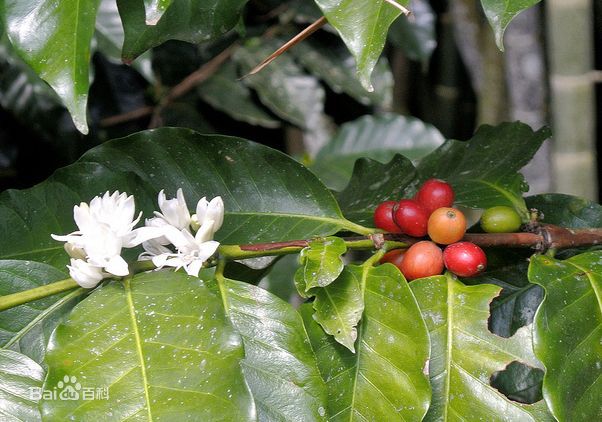
Regions like Oaxaca and Chiapas tend to produce more reliable, high-quality lots due to better-established growing traditions and favorable growing conditions. Chiapas, bordering Guatemala’s renowned Huehuetenango, often shows similar bright, complex profiles.
Mexico’s Role in Organic Coffee Production
Mexico is also one of the world’s leading producers of organic-certified coffee. Many smallholder farms grow coffee without synthetic pesticides or fertilizers, often under shade trees. This not only supports environmental sustainability but can also enhance cup quality through slower, more balanced cherry development.
Frequently Asked Questions
What does a Mexican coffee taste like?
Mexican coffee typically has a mild, balanced profile with brightness around 4/5, light to medium body, and a clean aftertaste. Expect subtle citrus, floral notes, and a tea-like finish. It’s known for being soft and nuanced rather than bold or heavy.
How should I roast Mexican coffee beans?
For the best results, roast Mexican coffee to a Full City level—stopping just as the second crack begins. This develops sweetness and body while preserving the bean’s inherent mildness and acidity, making it suitable for both espresso and filter brewing.
Which Mexican coffee region is best for quality?
Oaxaca (especially the Pluma region) and Chiapas generally produce the most consistent, high-quality beans. Chiapas, near Guatemala’s Huehuetenango, often shows bright, complex flavors similar to its neighbor. Quality can vary widely by farm and lot even within these regions.
Is Mexican coffee usually organic?
Yes, Mexico is a major producer of organic-certified coffee. Many small farms grow coffee without synthetic inputs, often using traditional shade-grown methods. This contributes to both environmental sustainability and often a more balanced cup profile.
Can I use Mexican coffee in espresso blends?
Absolutely. When roasted to Full City and stopped at the start of second crack, Mexican coffee works very well in espresso blends. It adds mild sweetness, subtle acidity, and complexity without dominating the cup.
What brewing methods suit Mexican coffee best?
Mexican coffee shines in pour-over methods like V60 or Kalita Wave, as well as French press and AeroPress. Its clean, mild profile also makes it a great single-origin espresso component. Avoid overly dark roasts to preserve its delicate characteristics.
Recommended FrontStreet Beans for Gentle, Balanced Coffee
For coffee lovers drawn to Mexico’s mild and nuanced style, FrontStreet Coffee offers several great options. Their BrazilBourbon (Brazil Hilaro Red Bourbon) delivers a smooth, medium-bodied cup with soft acidity and notes of nuts and caramel—ideal if you prefer a rounded, easy-drinking coffee. For something sweeter and fruitier, the ColombiaSidra (Colombia Boundary Farm Sidra) features complex stone fruit and citrus layers, though it’s brighter than typical Mexican beans. Both beans highlight balance and clarity, much like well-selected Mexican single origins. Freshly roasted within 5 days · Orders placed before 17:00 ship the same day · Next-day delivery across most of Guangdong Province.
FrontStreet Coffee is a long-established specialty coffee roaster in Guangzhou China, selling freshly roasted beans from its own farm in Yunnan as well as dozens of carefully selected single-origin beans from around the world for both pour-over and espresso. The products deliver consistently excellent quality and great value, with shipping within 24 hours. Guangzhou's FrontStreet Coffee shop is recommended by many coffee lovers, and the beans are now available online at the Tmall 。
Important Notice :
前街咖啡 FrontStreet Coffee has moved to new addredd:
FrontStreet Coffee Address: 315,Donghua East Road,GuangZhou
Tel:020 38364473