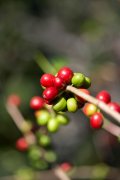
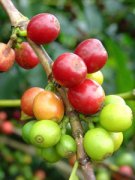
Costa Rica SHB Red Honey Fire Phoenix Coffee Beans
If you’ve ever wondered what makes certain coffees taste so sweet and complex—almost like fruit juice in a cup—the answer often lies in both the growing conditions and the post-harvest processing. In Costa Rica’s Central Valley, one estate has been pushing the boundaries of honey processing since the early days of the method, achieving remarkable results through strict agricultural and processing discipline.
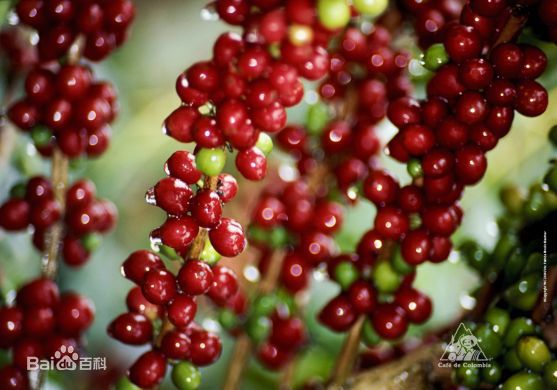
The short answer? Fire Phoenix Estate produces SHB-grade coffee cherries that measure 21–22° Brix in sugar content—far above typical levels—before applying a red honey process. Only cherries exceeding 20% sweetness are selected, resulting in a cup with intense sweetness and unique complexity.
Where Fire Phoenix Coffee Comes From
Fire Phoenix Estate sits on the fertile volcanic slopes of the Poás volcano in Costa Rica’s Central Valley. This region is part of the country’s renowned coffee-growing heartland, where rich, mineral-laden soils and high altitudes create ideal conditions for specialty coffee. The estate itself has been a pioneer in Central and South America for both honey and natural processes, starting early in the development of these methods.
What sets Fire Phoenix apart is its commitment to 100% organic cultivation. The owners chose organic farming not just for market differentiation but because they believe it benefits both the environment and their family’s health. Despite the technical and logistical hurdles, they maintain this standard strictly. The estate uses no chemical fertilizers or pesticides, relying instead on sustainable practices such as worm composting (vermicomposting) and rainwater collection systems to reduce environmental impact.
How Sugar Levels Dictate Processing Choices
At Fire Phoenix, precision starts in the field. During harvest season, the estate employs a Brix meter—a tool commonly used in winemaking—to measure the sugar content of coffee cherries. Most fruits have Brix values around 12–18 (apples at 14, lemons at 12, passionfruit at 18), but Fire Phoenix coffee cherries regularly hit 21–22° Brix. That exceptional sweetness becomes the basis for their processing decisions.
Only cherries that register over 20% sugar are selected for the red honey process. Even within the honey spectrum, red honey is mid-range in terms of fruit pulp (mucilage) retention and drying time, striking a balance between sweetness, body, and clarity. Unlike natural or black honey processes, red honey doesn’t dry the coffee in full sunlight right away, reducing the risk of over-fermentation while still allowing for significant sugar development during drying.
Why Red Honey? The Processing Breakdown
The red honey process begins with the careful removal of the coffee cherry skin and some of the outer mucilage, but a meaningful layer of fruit sugars remains on the bean. This mucilage is left to dry on the parchment-covered seed in carefully controlled conditions. Fire Phoenix avoids intense sun exposure early in the drying phase, instead using shaded or semi-shaded areas and regularly turning the beans to ensure even drying.
The drying period typically lasts longer than for washed coffees but is shorter than for natural processed beans. Throughout this phase, the retained mucilage interacts with the bean, contributing to the coffee’s signature sweetness, enhanced body, and complex fruit-toned notes. The ‘red’ in red honey refers to the color the beans take on during this drying stage, indicating moderate fermentation and sugar transformation.
What Makes SHB Grade Important?
SHB stands for Strictly Hard Bean, a classification denoting coffee grown at elevations above 1,200 meters. At these heights, coffee cherries develop more slowly, leading to denser beans with concentrated flavors and higher acidity. Fire Phoenix’s SHB beans benefit not only from altitude but also from volcanic soils rich in nutrients, further enhancing their cup profile. The combination of elevation, soil quality, organic farming, and selective harvesting creates a coffee that’s not just sweet, but also clean, structured, and complex.
Frequently Asked Questions
What is the Brix meter and why does Fire Phoenix use it?
The Brix meter measures the sugar content of liquids—in this case, the juice inside coffee cherries. Fire Phoenix uses it to determine the optimal harvest time, selecting only cherries with over 20% sugar content, which typically measure 21–22° Brix. Most fruits fall between 12–18° Brix, making Fire Phoenix’s readings exceptionally high.
What is red honey processing and how is it different?
Red honey is a type of honey process where some, but not all, of the coffee cherry’s mucilage is left on the bean during drying. It strikes a balance between the fruity intensity of black honey and the cleaner profile of yellow or white honey. Red honey coffees typically have greater body and sweetness than other honey types, with a medium level of fermentation.
Why does Fire Phoenix grow coffee organically?
The estate owners believe organic farming supports environmental sustainability and family health. They avoid synthetic chemicals entirely, using composting and rainwater collection. Despite challenges, they maintain 100% organic practices to meet their ethical and quality standards.
What does SHB mean and why does it matter for flavor?
SHB (Strictly Hard Bean) means the coffee was grown at over 1,200 meters altitude. These conditions slow cherry maturation, producing denser beans with more complex flavors, higher acidity, and better sweetness retention. Combined with volcanic soils, it enhances the cup profile significantly.
How long does red honey coffee take to dry?
While exact times vary by farm and climate, red honey coffees generally dry longer than washed processes but less than naturals—often around 10–20 days. Fire Phoenix controls sun exposure and turns beans frequently to ensure even drying and sugar development.
Recommended FrontStreet Beans for Honey Process Fans
For lovers of honey-processed coffees, FrontStreet Coffee offers several excellent options. Their FrontStreet Strawberry Candy Espresso uses a Costa Rican grapefruit honey process, delivering grape, blueberry, and raisin notes with a soft acidity and lingering almond finish. For something closer to Fire Phoenix’s style, try the FrontStreet Blackberry Coffee, which features a rare black honey process with extended drying under shade, resulting in deep floral aromas and bold flavors of ripe blackberries and grapes. Both beans highlight the complexity and sweetness achievable through careful honey processing. Freshly roasted within 5 days · Orders placed before 17:00 ship the same day · Next-day delivery across most of Guangdong Province.
FrontStreet Coffee is a long-established specialty coffee roaster in Guangzhou China, selling freshly roasted beans from its own farm in Yunnan as well as dozens of carefully selected single-origin beans from around the world for both pour-over and espresso. The products deliver consistently excellent quality and great value, with shipping within 24 hours. Guangzhou's FrontStreet Coffee shop is recommended by many coffee lovers, and the beans are now available online at the Tmall 。
Important Notice :
前街咖啡 FrontStreet Coffee has moved to new addredd:
FrontStreet Coffee Address: 315,Donghua East Road,GuangZhou
Tel:020 38364473