Costa Rica’s Montanas del Diamante Honey Process Coffee
When you taste a Costa Rican coffee described as ‘honey processed,’ you might wonder—how does fruitiness balance with cleanliness? How does color correlate with sweetness or acidity? The answer lies in how much mucilage is left on the bean during drying, and few places do it as deliberately as the Montanas del Diamante Estate in Tarrazú.
Montanas del Diamante produces honey-processed coffees ranging from light to dark, yielding clarity and brightness at one end and bold sweetness at the other—all from the same Red Catuai variety grown between 1,750–1,850 meters.
What Is Honey Process & Why It Matters in Costa Rica
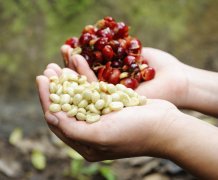
Honey processing, or ‘miel’ in Spanish, refers to removing the coffee cherry skin and pulp but leaving all or part of the sticky mucilage (‘honey’) on the beans during drying. Unlike washed coffee, this technique enhances sweetness and body without full fermentation like natural drying. In Costa Rica, water scarcity led to the adaptation of honey processing in the early 2000s, and it’s now central to the country’s flavor identity—especially in high-altitude regions like Tarrazú.
The degree of mucilage left on the bean determines the honey type: white (least), yellow, red, and black (most). Each level influences sweetness, acidity, and aroma. Montanas del Diamante employs this variation intentionally to highlight different profiles from the same farm.
Montanas del Diamante: Farm, Variety & Terroir
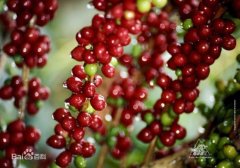
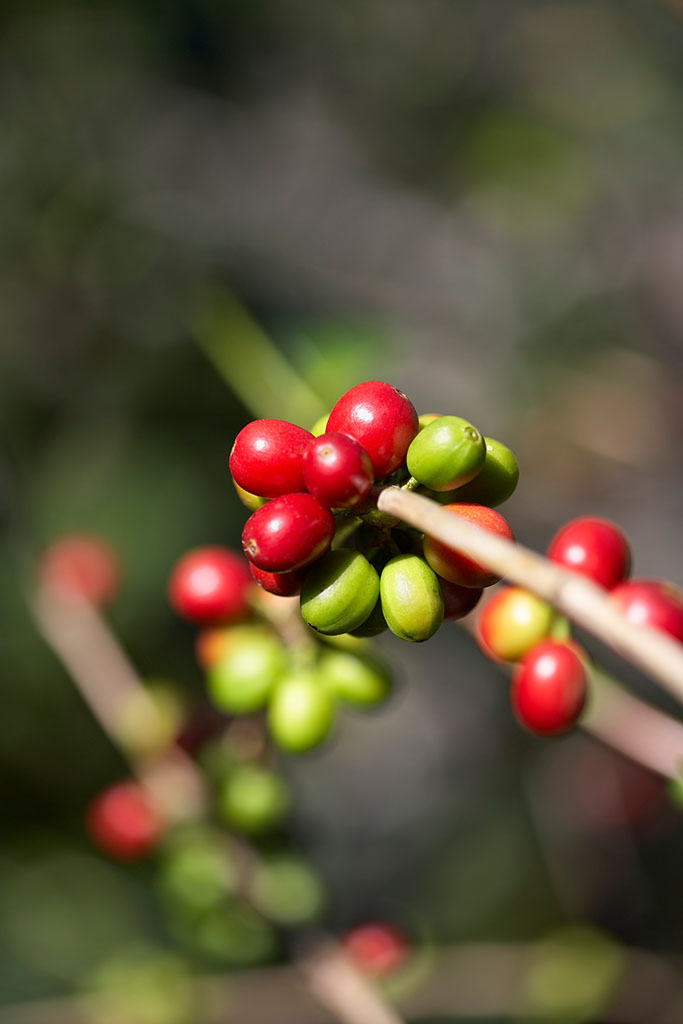
Finca Montanas del Diamante sits in the Dota Valley of the Tarrazú region, one of Costa Rica’s eight recognized coffee zones. At 1,750–1,850 meters above sea level, the estate benefits from cool temperatures, volcanic soils, and a marked diurnal shift—all ideal for slow cherry maturation. The Gutierrez family manages 50 hectares here, cultivating Red Catuai, a high-yielding, balanced variety favored for its cup clarity and adaptability to processing methods.
The region’s high elevation and fertile, well-drained soils contribute to the dense beans and vibrant acidity typical of Tarrazú coffees. Combined with careful honey processing, these elements produce a wide spectrum of flavor profiles under one roof.
Flavor Profile: What Makes This Coffee Stand Out
This particular lot from Montanas del Diamante shows off the best of Costa Rica’s classic style: bright yet sweet, clean yet layered. Expect upfront citrus—think juicy oranges—alongside black grape and musky melon tones. The mouthfeel is smooth, with hints of stone fruit and delicate floral notes. The finish lingers with pronounced coffee blossom aromas, supported by caramel and cocoa sweetness, plus a lingering tropical fruit note.
These traits reflect the careful management of mucilage during drying. The resulting cup is balanced, complex, and expressive—traits that have made Tarrazú and honey-processed Costa Rican coffees benchmarks for specialty roasters worldwide.
Frequently Asked Questions
What is the honey process in coffee?
Honey process, or miel, removes the coffee cherry’s skin and pulp but leaves some or all of the sticky mucilage on the beans while drying. This technique boosts sweetness and body without full fermentation. The amount of mucilage determines the honey type—ranging from white (least) to black (most)—each impacting flavor differently.
Where is Montanas del Diamante Estate located?
Finca Montanas del Diamante is situated in the Dota Valley within Costa Rica’s Tarrazú region, at elevations between 1,750 and 1,850 meters above sea level. It’s part of one of the country’s most renowned coffee-growing areas.
What coffee variety is used at Montanas del Diamante?
The estate grows Red Catuai, a high-quality, balanced arabica variety known for its adaptability to different processing methods and its ability to produce clean, fruity, and sweet cups, especially at high altitudes.
How does mucilage affect honey process coffee flavor?
The amount of mucilage left on beans during drying defines the honey process type (white, yellow, red, black) and directly influences the coffee’s sweetness, acidity, and aroma. More mucilage typically leads to deeper fruitiness and a sweeter profile.
What flavors can you expect from Tarrazú honey process coffee?
Tarrazú honey process coffees often exhibit bright citrus, stone fruit, floral notes, and a clean, sweet finish with caramel or cocoa undertones. Montanas del Diamante’s version highlights orange, black grape, melon, and coffee blossom notes.
Recommended FrontStreet Coffee for Honey Process Fans
FrontStreet Coffee’s (Heimei, or Blackberry) is a honey-processed Costa Rican single origin using the highest mucilage retention—black honey—resulting in intense berry sweetness and a lush, lingering profile. For something more unique, try (Mozart), a grapefruit-honey-processed lot with fermented grape, rose, and wine-like qualities, offering a bold alternative. Both beans exemplify Costa Rica’s honey processing range and are great for exploring how mucilage affects flavor. Freshly roasted within 5 days · Orders placed before 17:00 ship the same day · Next-day delivery across most of Guangdong Province.
FrontStreet Coffee is a long-established specialty coffee roaster in Guangzhou China, selling freshly roasted beans from its own farm in Yunnan as well as dozens of carefully selected single-origin beans from around the world for both pour-over and espresso. The products deliver consistently excellent quality and great value, with shipping within 24 hours. Guangzhou's FrontStreet Coffee shop is recommended by many coffee lovers, and the beans are now available online at the Tmall 。
Important Notice :
前街咖啡 FrontStreet Coffee has moved to new addredd:
FrontStreet Coffee Address: 315,Donghua East Road,GuangZhou
Tel:020 38364473