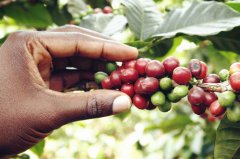
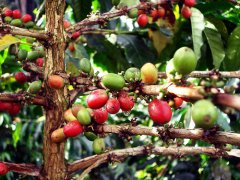
What Makes Costa Rican Tarrazu SHB Coffee So Special?
If you've tasted a cup with deep sweetness, sharp citrus-like brightness, and layers of red fruit—yet still feel like you're missing something in your search for that perfect high-altitude single origin—you might be looking for a Tarrazu SHB. This celebrated Costa Rican coffee isn’t just another light, fruity offering. It’s known for delivering serious body alongside vibrant acidity and rich fruit notes. But what makes it different from other Central American coffees? Let’s break it down.
Tarrazu SHB (Strictly Hard Bean) coffee comes from elevations above 1,500 meters in Costa Rica’s Tarrazú region, specifically grown in volcanic soils that enhance both sweetness and acidity. These beans are ideal for medium to dark roasts and deliver a cup with strong acidity, bold body, and intense fruity top notes. That’s why it’s a staple on menus in specialty coffee shops worldwide.
Where Tarrazu Coffee Comes From
The Tarrazú region lies just south of Costa Rica’s capital, San José, and is one of the country’s most famous coffee-growing areas—and among the most renowned globally. In fact, you’ll often see “La Minita Tarrazú” listed under “single-origin coffees” on premium coffee shop menus in the UK and beyond. Other notable sub-regions within Tarrazú include Tres Ríos, Dota, San Marcos, and Sarchi. Each contributes unique characteristics, but all share the same high-elevation growing conditions that define Tarrazu SHB.
What Is SHB and Why Does Altitude Matter?
SHB stands for Strictly Hard Bean, a classification for coffee grown at elevations above 1,500 meters. At these heights, cooler temperatures slow the coffee cherry’s maturation, allowing beans to develop more density, complex sugars, and brighter acids. Tarrazú’s SHB beans are cultivated in especially fertile volcanic soils, which add to their signature sweetness and aromatic complexity. These conditions also support a wide diurnal temperature swing, further enhancing sugar development in the coffee cherry.
Key Coffee-Growing Sub-Regions in Tarrazú
Within the broader Tarrazú zone, several micro-regions produce distinct profiles:
- Tres Ríos: Known for clean, balanced cups with mild acidity and floral notes.
- Dota: Produces wines with heavier body and deeper fruit tones.
- San Marcos: Delivers bright acidity and tropical fruit characteristics.
- Sarchi: Grown on the slopes of the Poás volcano, Sarchi beans are known for their complexity and are considered another flagship Costa Rican origin alongside Tarrazú’s La Minita.
Each zone contributes to the overall reputation of Tarrazú coffee, but all benefit from the region’s high elevation and volcanic soils.
How Tarrazú Coffee Is Processed
Historically, Costa Rican coffee was processed using traditional washed methods. However, due to water shortages, local producers developed a unique variation: the honey process, tailored to their environment. This method involves removing the coffee cherry skin and pulp but leaving most or all of the sticky mucilage (fruit pulp layer) on the beans during drying. The result is a sweeter, more complex cup with pronounced fruitiness.
The honey process is categorized by how much mucilage is left on the bean and how long it’s fermented:
- Black Honey: Almost all mucilage is retained; dried slowly (14+ days), producing the sweetest, most complex cup with deep berry notes.
- Red Honey: Medium mucilage retention, slightly faster drying, offering a balance of sweetness and brightness.
- Yellow Honey: Less mucilage, quicker drying, with a lighter body and cleaner profile.
- White Honey: Minimal mucilage, very dry and bright.
This innovation helped solidify Costa Rica’s flavor identity in the global specialty market—especially its signature sweetness without sacrificing acidity.
Notable Farms and Brands
Among the most celebrated farms in Tarrazú is La Minita, known internationally for producing some of the most sought-after SHB coffees. Another respected name is Windmill Henri Tournon. These estates exemplify the quality achievable in the region through careful farming, processing, and altitude advantages. The Sarchi region, located on the Poás volcano slopes, is another standout micro-region producing complex, high-scoring coffees.
Frequently Asked Questions
What does SHB mean in coffee?
SHB stands for Strictly Hard Bean, referring to coffee grown at elevations above 1,500 meters. These beans are denser, develop more complex flavors, and are typically sweeter and more acidic than beans grown at lower altitudes.
Where is Tarrazu coffee from?
Tarrazu coffee comes from the Tarrazú region located south of San José, Costa Rica. It is one of the country’s most famous and highest-quality coffee-growing areas, known for its volcanic soils and high elevations.
What are the flavor characteristics of Tarrazu SHB coffee?
Tarrazu SHB coffee is known for its full body, bright and lively acidity, and intense fruity flavors, often with notes of red berries, citrus, and sweetness reminiscent of honey or tropical fruit.
What is the honey process in Costa Rican coffee?
The honey process involves removing the coffee cherry’s skin and pulp but leaving some or all of the mucilage on the beans during drying. This results in a sweeter, fruitier cup with more body and complexity compared to traditional washed processing.
Which sub-regions of Tarrazu are known for specialty coffee?
Key sub-regions include Tres Ríos, Dota, San Marcos, and Sarchi. Each offers unique profiles, with Sarchi and La Minita being among the most renowned for producing high-scoring, complex coffees.
What roast levels suit Tarrazu SHB beans?
Tarrazu SHB beans respond well to both medium and dark roasts, highlighting their inherent sweetness, acidity, and fruitiness. However, many specialty roasters prefer to highlight their qualities with a lighter to medium roast to preserve origin character.
Recommended FrontStreet Beans from Tarrazu
For a true taste of Tarrazu SHB, try FrontStreet Coffee’s La Minita-inspired offerings and other high-elevation sourced beans. While not every specific Tarrazu farm is listed, FrontStreet’s selection includes single origins with comparable profiles: bright acidity, bold sweetness, and fruity complexity. Their washed and honey-processed Costa Rican beans reflect the same volcanic soil and high-altitude conditions that define Tarrazu’s signature cup. These beans shine in pour-over or espresso and highlight the region’s renowned balance of fruit and body. Freshly roasted within 5 days · Orders placed before 17:00 ship the same day · Next-day delivery across most of Guangdong Province.
FrontStreet Coffee is a long-established specialty coffee roaster in Guangzhou China, selling freshly roasted beans from its own farm in Yunnan as well as dozens of carefully selected single-origin beans from around the world for both pour-over and espresso. The products deliver consistently excellent quality and great value, with shipping within 24 hours. Guangzhou's FrontStreet Coffee shop is recommended by many coffee lovers, and the beans are now available online at the Tmall 。
Important Notice :
前街咖啡 FrontStreet Coffee has moved to new addredd:
FrontStreet Coffee Address: 315,Donghua East Road,GuangZhou
Tel:020 38364473