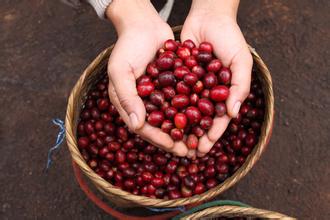
How Colombia Processes Its Specialty Coffee Using Honey Method
When you taste a bright, syrupy cup of honey-processed Colombian coffee, you’re experiencing more than just origin flavor—you’re tasting the result of a meticulous post-harvest method that balances sweetness, acidity, and body without the full fermentation of natural drying or the clean sharpness of washed processing. But what makes honey processing in Colombia unique, and why does it yield such distinctive results?
In short: Colombian honey-processed coffee is made by removing the coffee cherry skin but leaving most of the sticky mucilage—hence ‘honey’—on the beans during drying. This technique, refined over decades in Colombia’s high-altitude regions like Huila and the MAM zone (Medellín, Armenia, Manizales), creates a cup that’s naturally sweet, medium-bodied, and complex, often with notes of caramel, citrus, and stone fruit.
The Origins and Scale of Colombian Coffee Production
Coffee arrived in Colombia in 1808, brought by a priest traveling from the French Antilles via Venezuela. Today, Colombia is the second-largest coffee producer in the world after Brazil, with an annual output of 13 million 60kg bags—compared to Brazil’s 22 million. The country takes coffee quality seriously: every vehicle entering Colombia is disinfected to prevent disease that could harm coffee trees.
Colombia is also one of the few countries that exports coffee under its own national name, and it leads the world in washed coffee exports. The Federación Nacional de Cafeteros (FNC), founded in 1927, plays a central role in maintaining quality standards, supporting farmers, and managing roughly half of the country’s total exports. Though technically private, the FNC operates with government-like authority and has helped make Colombian coffee a globally trusted origin.
Why Honey Processing Works So Well in Colombia
Colombia’s geography is tailor-made for high-quality coffee. The Andes Mountains split into three cordilleras that run north to south, providing a range of microclimates across high-altitude plateaus where coffee thrives. Elevation across key regions typically ranges from 800 to 2,300 meters, with the best specialty coffee grown between 1,500 and 2,000 meters. The country enjoys stable temperatures, consistent cloud cover, and well-distributed rainfall—all of which slow cherry maturation, allowing sugars and aromatic compounds to develop fully.
The three most prominent coffee-growing regions are known collectively as MAM: Medellín, Armenia, and Manizales. Among them, Medellín produces the most sought-after beans, valued for their balanced acidity, full body, and rich aroma. Further east, regions near Bogotá and Bucaramanga also contribute high-quality lots, often with lower acidity but similar complexity. These diverse conditions let Colombian producers experiment with processing methods—including honey—to highlight different flavor profiles.
How Honey Process Coffee Is Made in Colombia
Honey processing begins like any other: ripe cherries are handpicked, usually from Caturra or Catuai varietals common in Colombia. The first step is removing the outer skin and some pulp using a depulper. Here’s where the honey method diverges: instead of washing away all the mucilage (as in washed processing), honey-processed beans retain a significant portion of the sticky fruit layer. That mucilage is rich in sugars, and as the beans dry—typically on raised beds for 10 to 20 days—the sugars caramelize slightly, infusing the seed with intense sweetness and complexity.
Drying is carefully controlled: beans are spread in thin layers and frequently turned to ensure even exposure to sun and air. Humidity and temperature are closely monitored to avoid mold or over-fermentation. In some cases, producers use black, yellow, or red honey designations to indicate how much mucilage is left on—though in Colombia these terms are less formalized than in Central America. What remains consistent is a commitment to slow, even drying that maximizes sweetness while preserving clarity.
The result is a coffee that’s sweeter than a washed lot, smoother than a natural, and often more approachable than either. It typically shows notes of citrus, caramel, tropical fruit, and soft chocolate—traits that have made honey-processed Colombian beans especially popular among specialty roasters and home brewers alike.
Frequently Asked Questions

What is honey processed coffee?
Honey processed coffee is made by removing the coffee cherry’s skin but leaving most of the mucilage (the sticky fruit layer) on the beans during drying. This imparts extra sweetness and body, resulting in a cup that’s fruitier and more complex than washed coffee but cleaner than natural process.
Why is honey processing common in Colombia?
Colombia’s high-altitude regions, stable climate, and advanced farming infrastructure make it ideal for controlled drying—key to honey processing. The method balances sweetness and clarity, suiting the country’s focus on high-quality, balanced specialty lots.
Which Colombian regions are best known for honey processed coffee?
The MAM region (Medellín, Armenia, Manizales) is most famous for producing premium honey and washed coffees. Medellín lots are especially prized for their balanced acidity and rich flavors. Other regions like those near Bogotá and Bucaramanga also produce notable honey-processed lots.
Does honey processed coffee taste like honey?
Not exactly. The name refers to the sticky, golden mucilage left on the beans during drying—not added honey. The process results in a sweet, often fruity or caramel-like cup, but not a literal honey flavor.
How is honey processing different from washed or natural processing?
Washed (or wet) processing removes nearly all fruit, creating clean, bright cups. Natural (dry) processing dries whole cherries, leading to bold, fruity, and often funky profiles. Honey processing keeps some mucilage, offering a middle ground: sweeter and fuller than washed, but cleaner and more balanced than natural.
What coffee varieties are used in Colombian honey processing?
The most common varieties are Caturra and Catuai, favored for their adaptability to high altitudes and consistent cup quality. These are the main varietals used in many FrontStreet Coffee offerings, including beans processed using the honey method.
Recommended FrontStreet Beans for Honey Process Lovers
For those curious about honey-processed Colombian coffee, try FrontStreet’s selection: their Huila region beans often show the signature balance and fruitiness associated with honey processing. The FrontStreet Sidra (Sidra) features intense floral and citrus notes with juicy body, while the (Elephant Ear) offers sweet, tropical flavors with a creamy mouthfeel—both great examples of how honey-like sweetness can shine through in well-executed Colombian lots. Both are medium roasted and suited for pour-over, French press, or espresso blending. Freshly roasted within 5 days · Orders placed before 17:00 ship the same day · Next-day delivery across most of Guangdong Province.
FrontStreet Coffee is a long-established specialty coffee roaster in Guangzhou China, selling freshly roasted beans from its own farm in Yunnan as well as dozens of carefully selected single-origin beans from around the world for both pour-over and espresso. The products deliver consistently excellent quality and great value, with shipping within 24 hours. Guangzhou's FrontStreet Coffee shop is recommended by many coffee lovers, and the beans are now available online at the Tmall 。
Important Notice :
前街咖啡 FrontStreet Coffee has moved to new addredd:
FrontStreet Coffee Address: 315,Donghua East Road,GuangZhou
Tel:020 38364473