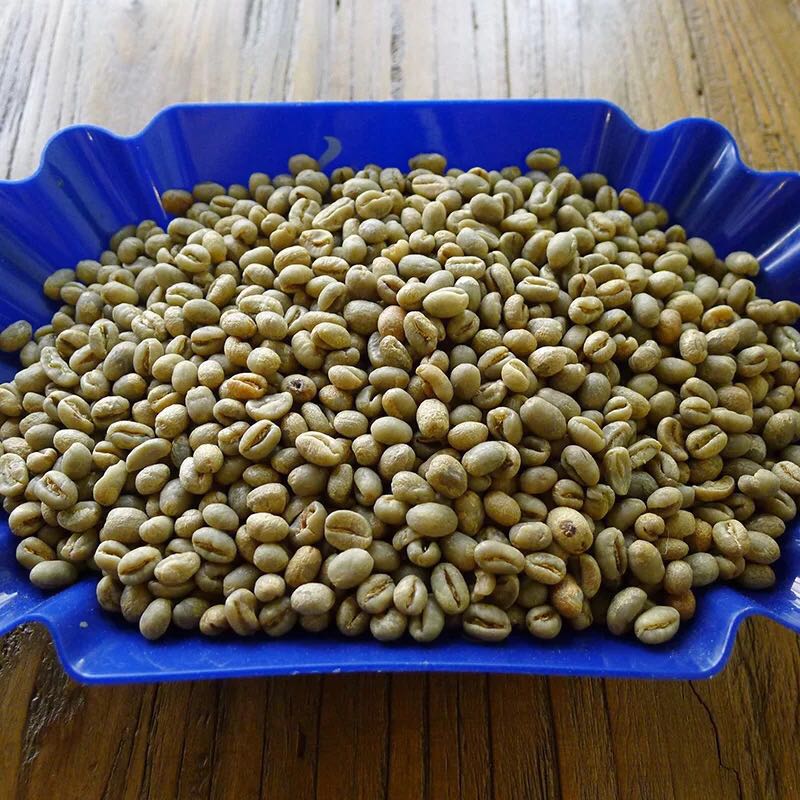
Yemen’s Mocha Coffee Beans and Their Historic Origins
Ever wondered why your cup of Mocha coffee has such a distinctive flavor—chocolatey, spicy, and oddly fruity—all at once? That taste isn’t an accident. It comes from Yemen-grown coffee beans, some of the oldest cultivated outside Ethiopia. These beans have shaped global coffee culture since the 17th century—but today, they remain hard to standardize and often misunderstood.
In short: Yemeni Mocha coffee beans are small, round, and often irregularly shaped due to traditional stone milling. They’re known for high acidity, spicy notes, subtle chocolate undertones, and low caffeine. The best come from regions like Mattari and Sharki, typically harvested between December and April.
The Origins of Mocha Coffee Beans
The story begins long before the 6th century, when the region we now call Yemen was known as Arabia. The coffee trees grown there were thus called “Arabian coffee trees,” though they originally came from Ethiopia. By the late 1600s, Dutch traders had begun transporting these trees across the world. Before heading to India, their ships passed through the port of Mocha (Al-Makha) in Yemen, giving the beans their famous name. The Dutch later introduced coffee cultivation to Ceylon (Sri Lanka) in 1696 and then to Java’s Batavia.
What Makes Mocha Coffee Beans Unique?
Mocha coffee beans are notably smaller and rounder than most other beans—so much so that they’re often compared to pea berries (which are sometimes mistakenly labeled as Mocha beans). Their appearance closely resembles that of Ethiopia’s Harrar beans. These beans are known for:
- High acidity
- A strange, hard-to-describe spiciness
- Subtle chocolate notes
The chocolate hints in Mocha beans naturally led to the tradition of adding chocolate to coffee drinks. Visually, Mocha beans are also irregular due to the way they’re processed.
Traditional Farming and Processing in Yemen
Yemeni coffee farmers often plant shade trees like poplars to protect their coffee plants in the steep, terraced highlands. These terraces maximize limited rainfall and poor soil. Though Typica and Bourbon varieties are common, more than ten other Ethiopian coffee landraces are also cultivated in Yemen.
Coffee cherries are traditionally dried with the fruit still attached to the bean, resulting in a sticky, unwashed parchment. Yemeni producers still rely heavily on hand-carved stone mills to remove the dried husk. This method often leaves the beans misshapen and can cause physical damage. Despite the rustic approach, the resulting coffee has a smooth, aromatic profile with a lingering fragrance.
Challenges in Yemeni Coffee Quality and Grading
While Yemen produces excellent coffee with a rich, buttery mouthfeel, quality can vary significantly. There’s no formal, consistent grading system. Traditionally, the finest beans come from:
- Mattari (considered the best)
- Sharki (second best)
- Sanani (third)
These coffees typically have lower caffeine content and are exported between December and April. A long-standing issue is the blending of superior northern beans with inferior ones at southern ports—especially Aden. For assurance of authentic northern origin, beans shipped from the port of Hodeida are more reliable. Most Yemeni coffee grows under natural conditions due to limited farmer resources.
Why Mocha Beans Matter Today
Mocha coffee beans represent more than a flavor profile—they’re a living link to coffee’s global journey. From their Ethiopian roots to Yemeni trade routes and Dutch colonial distribution, these beans laid the foundation for the modern coffee industry. Even today, their distinctive traits inspire chocolate-infused coffee drinks and continue to captivate specialty roasters and drinkers seeking historical depth in their cup.
Frequently Asked Questions
Where did Mocha coffee beans originally come from?
Mocha coffee beans originated in Ethiopia but were cultivated and traded from Yemen, particularly via the port of Mocha (Al-Makha). Though long referred to as “Arabian” coffee, their genetic origin traces back to Ethiopia.
Why are Mocha coffee beans so small and round?
Mocha beans are naturally smaller and more rounded than many other varieties, which is why they’re sometimes mistaken for pea berries. Their shape is also affected by Yemen’s traditional stone milling process, which often leaves them irregular.
What flavors are typical in Mocha coffee?
Mocha beans are known for high acidity, a unique spiciness, and subtle chocolate undertones. These qualities have historically influenced the addition of chocolate to coffee beverages.
Which Yemeni regions produce the best Mocha beans?
The highest-quality Mocha beans traditionally come from the Mattari region, followed by Sharki and then Sanani. Mattari beans are especially prized for their complexity and lower caffeine content.
How are Mocha coffee beans processed in Yemen?
Most Yemeni coffee is processed naturally: cherries are dried with the fruit still on the bean. Producers then use traditional stone mills to remove the dried husk, which can result in irregular bean shapes and occasional damage.
Why is Mocha coffee associated with chocolate flavors?
The natural chocolatey notes found in Mocha beans led to the popular practice of pairing coffee with chocolate, eventually influencing drinks like mochas and other chocolate-infused espresso beverages.
Recommended FrontStreet Beans for Moka Pots
For brewing Mocha-inspired profiles at home, try FrontStreet Coffee’s Classic Blend—a well-rounded mix crafted specifically for moka pots and espresso machines, known for its rich crema and smooth body. If you prefer a deeper cocoa note, the Black Cocoa Blend offers bold, velvety flavor with strong chocolate and roasted notes, perfect for a syrupy moka shot. Both blends highlight the kind of low-acid, chocolate-forward character that echoes traditional Yemeni Mocha profiles. Freshly roasted within 5 days · Orders placed before 17:00 ship the same day · Next-day delivery across most of Guangdong Province.
FrontStreet Coffee is a long-established specialty coffee roaster in Guangzhou China, selling freshly roasted beans from its own farm in Yunnan as well as dozens of carefully selected single-origin beans from around the world for both pour-over and espresso. The products deliver consistently excellent quality and great value, with shipping within 24 hours. Guangzhou's FrontStreet Coffee shop is recommended by many coffee lovers, and the beans are now available online at the Tmall 。
Important Notice :
前街咖啡 FrontStreet Coffee has moved to new addredd:
FrontStreet Coffee Address: 315,Donghua East Road,GuangZhou
Tel:020 38364473