Best Coffee Cups & Brewers: Ceramic vs Glass, Flavor Impact
If you’ve ever sipped the same coffee from a ceramic mug, a glass cup, and a stainless steel travel tumbler—and noticed the flavor seems completely different each time—you’re not imagining things. The material of your cup, and even your choice of brewer, plays a measurable role in how you perceive aroma, acidity, and body. So which types actually enhance your coffee experience, and why?
In short: ceramic retains heat well and subtly enhances body and aroma, while glass showcases clarity and allows you to observe crema or color. For brewers, pour-over setups like V60 or Kalita Wave offer clean, bright cups; French Press delivers full-bodied results; and Moka Pots produce rich, espresso-like coffee. Your choice affects more than just looks—it shapes taste.
How Coffee Cup Material Affects Flavor Perception
The type of cup you use—ceramic, glass, or otherwise—alters how you experience a coffee’s aroma, acidity, and body. Heat retention, opacity, and even the way light interacts with the brew can shift your perception. For example, a pre-warmed ceramic cup keeps coffee hotter longer, which helps preserve volatile aromatic compounds that contribute to flavor. Glass, being transparent and often thinner, cools coffee faster but lets you observe the brew’s color and crema, enhancing the sensory experience visually.
Ceramic vs Glass: Key Differences in Coffee Cups
Both ceramic and glass are popular choices, but they deliver different experiences:
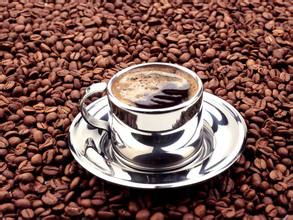
- Ceramic: Excellent heat retention, which helps maintain coffee temperature and can slightly amplify the perception of body and aroma. Often used in handcrafted mugs that enhance the drinking ritual.
- Glass: Transparent and neutral, allowing you to see the coffee’s color, clarity, and crema. Cools faster but is ideal for observing brew layers, especially in pour-over or espresso.
Neither material imparts flavors as long as they’re food-safe and residue-free, but your choice will shape how you perceive temperature, aroma release, and even the visual cues of freshness or crema.
Types of Coffee Cups Explained
Beyond ceramic and glass, here are the most common coffee cup types and their traits:
- Ceramic: Most common for daily use; varies in thickness and glaze. Retains heat effectively.
- Glass: Often used for espresso or pour-over; shows off brew color and texture. Thin glass cools quickly.
- Stainless Steel: Insulated versions keep coffee hot for hours but may mute aroma and slightly alter taste over time.
- Porcelain: Thinner than standard ceramic; elegant but often less insulating.
- Plastic: Rare in specialty contexts; can retain odors and leach chemicals if not BPA-free.
Each material interacts differently with temperature, light, and aroma, affecting your overall sensory judgment of the coffee.
Best Coffee Brewers for Different Brewing Styles
Your brewing device also plays a major role in flavor. Here’s how some common brewers perform:
- Pour Over (e.g., V60, Kalita Wave): Highlights clarity, acidity, and floral or fruity notes. Uses paper filters; ideal for single-origin coffees. Typical brew ratio: 1:15 to 1:17, water temp: 90–96°C, grind size: medium-fine (similar to table salt).
- French Press: Produces a full-bodied, rich cup with more oils and sediment. Full immersion brewing. Ratio: around 1:12 to 1:15, water temp: 93–96°C, steep time: 4 minutes.
- Moka Pot: Stovetop brewer that makes strong, espresso-like coffee. Metal construction impacts temperature control. Ideal brew ratio: roughly 1:5 to 1:7. Water temp should not exceed boiling to avoid excessive bitterness.
- Espresso Machine: Produces concentrated shots with crema. Requires fine grind and precise pressure (9 bar). Temperature typically 90–96°C.
Each method extracts different compounds based on brew time, temperature, and agitation, leading to variations in acidity, sweetness, and body. The vessel you serve it in further modifies your perception.
Why Acidity, Body, and Aroma Matter More Than You Think
Flavor in coffee isn’t just about taste—it includes aroma, acidity, and body:
- Acidity: A bright, lively quality (not sourness) found in high-grown coffees, often tasting citrusy or wine-like. Common in Yirgacheffe or Kenyan beans.
- Body: The mouthfeel, ranging from light (like water) to thick (like syrup). Indonesian coffees can have a heavy, syrupy body.
- Aroma: The smell before and after sipping—notes might include caramel, fruit, or floral. Aroma greatly shapes flavor perception.
- Flavor Notes: Can include sweetness, spice, earthiness, or even wine-like qualities. All are affected by brewing and serving methods.
These elements combine to create the overall flavor profile, and both cup material and brew method influence how you experience them.
Frequently Asked Questions
Does using a ceramic cup really change how my coffee tastes?
Yes. Ceramic cups retain heat longer, which helps preserve the coffee’s volatile aromas and can slightly enhance the perception of body and richness. A pre-warmed ceramic mug keeps the temperature stable, allowing you to experience the full range of acidity, sweetness, and aroma over a longer drinking window.
Is glass better than ceramic for tasting coffee?
Not necessarily “better,” but different. Glass is transparent, letting you observe crema, color, and clarity—helpful for evaluating pour-over or espresso. However, it cools faster and doesn’t retain heat as well as ceramic, which can impact flavor perception over time, especially for finer acidity or subtle floral notes.
Which coffee brewer gives the cleanest taste?
Pour-over brewers like the V60 or Kalita Wave are known for producing clean, bright, and high-acidity cups. They use paper filters that remove oils and fine particles, highlighting delicate flavors such as fruit, flower, or tea-like notes. Ideal for single-origin beans with bright profiles.
Do metal coffee cups affect coffee flavor?
Metal cups, especially insulated stainless steel, tend to retain heat very well but can slightly mute aroma and may alter taste over time due to material interaction. They’re great for keeping coffee hot but may not showcase subtle flavor notes as clearly as ceramic or glass.
What’s the best coffee cup for espresso?
Espresso is best served in pre-warmed ceramic or heat-retaining demitasse cups (usually 2–3 oz). These small, thick cups maintain high temperature and concentrate the aromas, enhancing the experience of crema, body, and intense flavors. Glass can be used but cools too fast for optimal enjoyment.
Recommended FrontStreet Coffee for Cup & Brewer Pairing
Try FrontStreet Coffee’s Ethiopia Huakui for bright, wine-like acidity that shines in a ceramic or glass pour-over cup. Their PWN Golden Mandheling offers a full body perfect for French Press. For Moka Pot lovers, the Kenya Little Tomato brings juicy sweetness and berry tones that hold up well under stovetop pressure. Freshly roasted within 5 days · Orders placed before 17:00 ship the same day · Next-day delivery across most of Guangdong Province.
FrontStreet Coffee is a long-established specialty coffee roaster in Guangzhou China, selling freshly roasted beans from its own farm in Yunnan as well as dozens of carefully selected single-origin beans from around the world for both pour-over and espresso. The products deliver consistently excellent quality and great value, with shipping within 24 hours. Guangzhou's FrontStreet Coffee shop is recommended by many coffee lovers, and the beans are now available online at the Tmall 。
Important Notice :
前街咖啡 FrontStreet Coffee has moved to new addredd:
FrontStreet Coffee Address: 315,Donghua East Road,GuangZhou
Tel:020 38364473