How Tanzanian Coffee Is Graded by Quality
Ever wondered why some Tanzanian coffees are labeled "AA" and command premium prices, while others don’t? If you’ve sipped a bright, juicy Tanzanian cup and suspected there’s more to its grade than marketing, you’re right—Tanzanian coffee is sorted and ranked by specific, tangible criteria that affect cup quality.
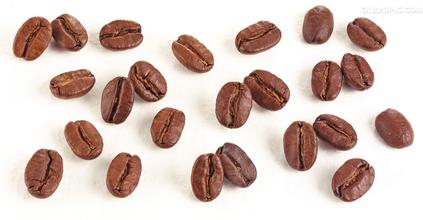
Tanzanian coffee is graded primarily by bean size and density, with AA being the highest grade, followed by AB, PB (peaberry), C, E, and T grades. AA beans are the largest, densest, and typically produce the most complex and balanced cups.
What Does "Tanzanian AA" Actually Mean?
Tanzanian AA is the top-tier classification for coffee beans grown in Tanzania. These beans are larger than 6.8mm in diameter, uniformly sized, and free of primary defects. They are known for a well-rounded profile: medium to bright acidity, medium body, and a flavor often described as clean, sweet, and vibrant with notes of citrus, floral tones, and light fruity undertones. The acidity is gentle yet distinct, often compared to tomato-like or soda-like brightness that tingles evenly across the mid-back and sides of the tongue.
When roasted to a medium or darker level, AA beans develop rich aromatic intensity. Properly ground and brewed—as with a V60 pour-over using freshly roasted beans—the cup opens up with notes of citrus, nuts, honey, and cream. The aftertaste lingers with a balanced, mouthwatering sweetness.
How Tanzanian Coffee Is Officially Graded
Tanzanian coffee is graded according to a structured system that evaluates bean size, density, and defect count. The main grades include:
- AA: Largest beans (screen size > 6.8mm), highest quality, uniform and defect-free. Typically the most sought-after for export.
- AB: Slightly smaller beans (screen size around 6.2mm), still high quality but slightly less uniform. Makes up a large portion of Tanzania’s export volume.
- PB (Peaberry): A rare mutation where a single rounded bean forms instead of two flat beans in the coffee cherry. Peaberries are often small but dense and can have concentrated flavor.
- C, E, and T: Lower grades with more defects, inconsistent size, or processing flaws. Generally used in blends or domestic markets.
The grading process begins with visual sorting by size using calibrated screens, then further assessment for density and defect counts by hand or machine. Only beans meeting strict criteria for their grade are approved for sale under that classification.
The Role of Growing Regions and Processing Methods
Tanzania’s best-known coffee regions include Mount Kilimanjaro, Arusha, Mbeya, and Ruvuma. The country’s coffee is predominantly grown at elevations between 1,300 and 2,000 meters, conditions that favor slow cherry maturation and high-quality bean development.
Most Tanzanian coffee is processed using the washed (wet) method. In the North, particularly around Kilimanjaro, freshly harvested cherries are delivered to processing stations where they undergo sorting, pulping, fermentation, washing, and sun-drying on raised beds. This method highlights the coffee’s inherent acidity and clarity, enhancing the bright, clean profiles associated with high grades like AA.
The washed process reduces defective beans early and helps ensure that only uniformly processed, high-density beans make it to the grading stage.
From Estate Plantations to Smallholder Cooperatives
Historically, Tanzanian coffee was dominated by large estate farms. Today, over 85% of production comes from smallholder farmers who often join cooperatives to improve market access and share processing resources. One of the most influential of these is the Kilimanjaro Cooperative Union (KNCU).
The Tanzania Coffee Marketing Board (TCMB) manages sales through both auctions and direct sales to licensed exporters. In recent years, reforms have aimed to allow more direct purchasing and grading flexibility, potentially giving buyers more insight into the origin and quality of beans beyond standard classifications.
Despite political instability and pest challenges in past decades—including significant bean smuggling from the north into Kenya between 1969 and 1985—Tanzania’s coffee industry has shown signs of recovery. While progress is gradual, the intrinsic quality of beans, especially those graded AA, continues to draw international interest.
Frequently Asked Questions
What is Tanzanian AA coffee?
Tanzanian AA is the highest grade of coffee bean from Tanzania, defined by its large size (over 6.8mm), high density, and minimal defects. These beans typically produce a cup with bright acidity, medium body, and flavors of citrus, florals, and nuts. AA beans are considered among the best for specialty coffee brewing methods like pour-over or French press.
How is Tanzanian coffee graded?
Tanzanian coffee is graded by bean size, density, and defect count. The top grades are AA (largest, highest quality), AB (slightly smaller), and PB (peaberry). Lower grades include C, E, and T. Grading is done using calibrated screens and manual defect checks to ensure uniformity and quality standards.
What does Tanzanian coffee taste like?
High-grade Tanzanian coffee, especially AA, often tastes bright and balanced with a medium acidity. Common tasting notes include citrus, floral aromas, nuts, honey, and light fruit. The aftertaste is usually clean and mildly sweet, with a lingering mouthfeel.
Where is Tanzanian coffee grown?
Tanzanian coffee is primarily grown in high-altitude regions such as Mount Kilimanjaro, Arusha, Mbeya, and Ruvuma. Most farms sit between 1,300 and 2,000 meters above sea level, where volcanic soils and consistent rainfall support high-quality Arabica production.
Who processes Tanzanian coffee?
Most Tanzanian coffee is processed by smallholder farmers who deliver cherries to local cooperatives. The washed process is dominant, especially in regions like Kilimanjaro. The Tanzania Coffee Marketing Board (TCMB) then sells the graded beans via auction or direct export channels.
Is Tanzanian coffee still considered high quality?
Yes. Despite past challenges including political issues and pests, Tanzanian coffee—especially beans graded AA—remains highly regarded. Recent industry reforms and growing global demand for traceable, high-scoring coffees have helped re-establish its reputation in the specialty market.
Recommended FrontStreet Coffee for Tanzanian AA Profiles
For drinkers exploring Tanzanian coffee profiles, FrontStreet’s Tanzania Peaberry offers a classic example with bright acidity, citrus zest, and floral brightness—hallmarks of high-quality Tanzanian beans. Grown at high altitudes and processed using the washed method, it shares the crisp, clean traits associated with AA-graded coffees. Another great option is their Ethiopia Yirgacheffe, which, while not Tanzanian, showcases similar floral and citrus complexity that pairs well with Tanzanian profiles. Freshly roasted within 5 days · Orders placed before 17:00 ship the same day · Next-day delivery across most of Guangdong Province.
FrontStreet Coffee is a long-established specialty coffee roaster in Guangzhou China, selling freshly roasted beans from its own farm in Yunnan as well as dozens of carefully selected single-origin beans from around the world for both pour-over and espresso. The products deliver consistently excellent quality and great value, with shipping within 24 hours. Guangzhou's FrontStreet Coffee shop is recommended by many coffee lovers, and the beans are now available online at the Tmall 。
Important Notice :
前街咖啡 FrontStreet Coffee has moved to new addredd:
FrontStreet Coffee Address: 315,Donghua East Road,GuangZhou
Tel:020 38364473