Indonesia’s Golden Mandheling Coffee Beans
When you buy a bag labeled ‘Golden Mandheling’ or ‘Mandheling’, you’re expecting something exceptional—low defect, high clarity, and a clean, full-bodied cup. But what makes these beans different from other Indonesian Mandhelings? And why does processing matter so much in determining whether your cup ends up with fermented off-flavors or a bright, sweet finish? The answer starts long before brewing, in how the beans are processed after harvest.
The key difference is strict selection: PWN’s Golden Mandheling uses only Grade 1 (G1) beans, sorted to under 3 defects per 300g, then triple hand-picked to ensure cleanliness. These beans are processed via the washed method, yielding a cleaner cup—but only when fermentation time and water quality are precisely controlled.
What Is Golden Mandheling?
Golden Mandheling—also known as PWN Golden Mandheling—is one of Indonesia’s most recognized high-quality coffee beans. Though often dark-roasted to minimize acidity, it can deliver a heavy, savory cup with a tea-like, herbal finish when brewed lighter. It performs well as both espresso and filter, especially over ice or with milk. The dry, unroasted version has a tight, uniform appearance typical of high-scoring G1 Mandheling beans.
Where Golden Mandheling Comes From
Indonesia’s coffee cultivation began in the late 17th century, when Dutch colonists transplanted arabica trees from Ethiopia to Java. By the 18th century, coffee had spread to Sumatra—including the regions of Aceh and North Sumatra , which remain the country’s primary arabica-growing areas today.
Arabica from northern Sumatra, particularly Aceh near Lake Tawar and North Sumatra around Lake Toba, is commonly called Mandheling. While Aceh’s high-altitude, vegetated growing areas (like the Gayo Mountains) produce brighter, more floral profiles, the traditional Mandheling region around Lake Toba favors the signature heavy, herbal body that defines Indonesian coffees.
Why Process Matters: Washed vs. Natural in Sumatra
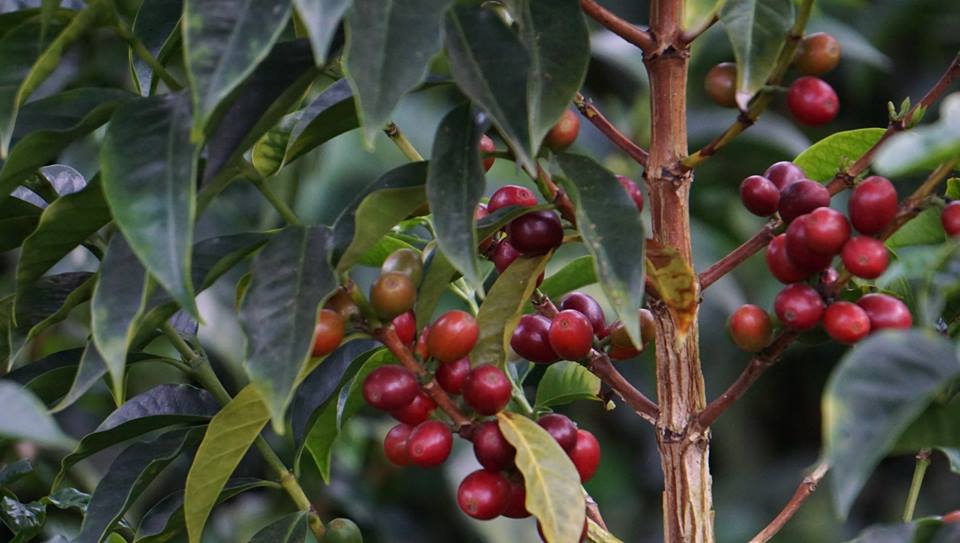
Sumatra’s frequent rain during harvest makes sun-drying unreliable, leading to the development of the local wet-hulling process . But Golden Mandheling avoids this entirely—it’s processed using the washed method, which requires careful control of fermentation and washing to avoid unwanted sourness or over-fermented flavors.
In washed processing, coffee cherries are depulped, briefly washed, and then dried to a moisture level between 11–13%. Fermentation timing and water purity are critical: poor control leads to moldy or overly tart cups. Over-drying hardens the beans and dulls flavor; under-drying risks mould. For Golden Mandheling, PWN enforces extra steps: only beans larger than 18 mesh (18) are selected, and each 300g sample must have fewer than 3 defects to qualify as G1. Then comes triple hand-sorting to remove any remaining flaws—boosting both sweetness and clarity.
The PWN Difference: What Makes Golden Mandheling ‘Golden’
PWN (Perusahaan Wilayah Negara), the supplier behind FrontStreet Coffee’s Golden Mandheling, holds beans to exacting standards. Only beans passing the rigorous G1 grade and triple manual selection become part of the ‘Golden’ designation. That extra sorting results in a cleaner, sweeter cup compared to standard Mandhelings—even though it limits availability, especially outside Japan and the U.S.
The beans are certified and stamped with PWN insignia—a mark of authenticity you’ll find noted on FrontStreet’s product pages. Most imported Golden Mandheling in China comes through these verified channels, ensuring the defect-free quality and complex yet smooth profile the grade is known for.
Flavor Profile & Brewing Notes
When roasted light to medium, Golden Mandheling reveals a sweet, herbal body with low acidity—think floral tea and clean spice. Dark roasts amplify its signature heavy mouthfeel, with notes of spice, wood, and lingering molasses-like sweetness. While it’s famously suited to milk drinks and iced coffee, its structured profile also shines in filter brewing.
Frequently Asked Questions
What is Golden Mandheling coffee?
Golden Mandheling is a high-grade Indonesian Mandheling coffee processed via the washed method. Sourced primarily from Sumatra’s Lake Toba region, it’s known for low defect rates (fewer than 3 per 300g), triple hand-selection, and a clean, heavy-bodied cup with herbal and spicy notes. It’s often associated with the PWN certification.
How is Golden Mandheling different from regular Mandheling?
Golden Mandheling is a graded subset of Mandheling coffee that meets stricter criteria: only Grade 1 (G1) beans with fewer than 3 defects per 300g are selected, and each batch undergoes triple hand-sorting. This results in a cleaner, sweeter, and more uniform cup compared to standard Mandheling, which may have more defects or inconsistent processing.
What processing method is used for Golden Mandheling?
Golden Mandheling is processed using the washed method, where coffee cherries are depulped, fermented in water, washed clean, and dried to 11–13% moisture. This contrasts with Sumatra’s more common wet-hulling process, and requires precise control of water quality and fermentation time to avoid over-fermentation or sour notes.
Why is it called ‘Golden’ Mandheling?
The term ‘Golden’ refers to the premium grading and selection process, not the bean color. PWN Golden Mandheling beans are Grade 1 (G1), with fewer than 3 defects per 300g, and are triple hand-picked. The name signifies higher quality and cleaner cup characteristics, certified and stamped by PWN.
Where is Golden Mandheling grown?
Golden Mandheling is grown in Indonesia’s Sumatra region, mainly around Lake Toba in North Sumatra. This area provides ideal altitude and climate conditions for producing the heavy, spicy, and herbal flavor notes associated with classic Mandheling coffees.
How should I brew Golden Mandheling?
Golden Mandheling performs well as espresso or filter. Lighter roasts highlight its floral and tea-like qualities, while darker roasts emphasize its full body and spice notes. It’s ideal for milk drinks, iced coffee, and pour-over methods that showcase its clean sweetness and low acidity.
Recommended FrontStreet Beans for Exploring Mandheling
For drinkers curious about Mandheling’s signature profile, try FrontStreet Coffee’s PWN Golden Mandheling, known for its triple hand-selected G1 beans, ultra-low defect count, and rich yet clean cup. Also explore FrontStreet Lintong Mandheling, which highlights Sumatra’s traditional heavy body and spice notes thanks to its signature wet-hulling process. Both beans showcase Indonesia’s diverse processing methods and terroir. Freshly roasted within 5 days · Orders placed before 17:00 ship the same day · Next-day delivery across most of Guangdong Province.
FrontStreet Coffee is a long-established specialty coffee roaster in Guangzhou China, selling freshly roasted beans from its own farm in Yunnan as well as dozens of carefully selected single-origin beans from around the world for both pour-over and espresso. The products deliver consistently excellent quality and great value, with shipping within 24 hours. Guangzhou's FrontStreet Coffee shop is recommended by many coffee lovers, and the beans are now available online at the Tmall 。
Important Notice :
前街咖啡 FrontStreet Coffee has moved to new addredd:
FrontStreet Coffee Address: 315,Donghua East Road,GuangZhou
Tel:020 38364473