How to Make a Good Cup of Coffee at Home
If you’ve ever tried brewing fresh coffee at home and ended up with something bitter, weak, or just plain disappointing, you’re not alone. Many coffee lovers start with big expectations—only to find the reality messy, confusing, or underwhelming. The truth is, making a truly good cup of coffee at home doesn’t require a professional setup or barista-level skills. But it does require the right fundamentals.
To make a good cup of coffee at home, all you truly need to start with are freshly roasted quality beans, a decent burr grinder, and hot water. From there, the rest—like your brewing device or recipe—can follow based on your taste and setup. You don’t need an espresso machine to enjoy great coffee. Simple methods like pour-over, French press, or AeroPress can produce excellent results.
It All Starts With the Beans
Think of coffee beans as the foundation of every cup. Whether you prefer a light, fruity Ethiopian Yirgacheffe or a deeper, chocolatey blend, starting with freshly roasted, high-quality beans makes the biggest difference. Pre-ground supermarket coffee often sits on shelves for months and lacks the complexity and freshness needed for a truly satisfying brew.
Why Your Grinder Matters More Than You Think
A good burr grinder is essential. Blade grinders chop beans unevenly, creating inconsistent particle sizes that lead to under- or over-extracted coffee. A burr grinder, even an entry-level one, ensures uniform grind size, which is critical for balanced extraction. The grind size you choose—whether fine for AeroPress or coarse for French press—depends on your brewing method.
Brewing Methods That Don’t Require Fancy Gear
You don’t need an expensive espresso machine to make great coffee. Simple, manual brewing methods can produce excellent results:
- Pour-over (e.g., V60, Kalita Wave): Offers clean, bright cups with clear flavour profiles. Ideal for single-origin beans. Typical brew ratio: 1:15 to 1:17, with a bloom and controlled pouring.
- French press: Produces full-bodied, rich coffee. Uses a coarse grind and a steep time of around 4 minutes. Common ratio: 1:12 to 1:15.
- AeroPress: Versatile and quick. Can mimic espresso-like strength or filtered coffee depending on your technique. Often used with fine to medium-fine grind.
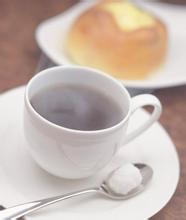
What Really Determines Coffee Quality at Home
Beyond equipment, three elements control the outcome of your brew:
- Quality of the beans: Freshness and origin matter more than fancy branding.
- Correct grind size: Match your grind to your brewing method for even extraction.
- Consistent technique: Water temperature (usually 90–96°C), brew time, and agitation all affect the final cup.
Many beginners overcomplicate the process, thinking they need to buy an expensive setup right away. But as long as you focus on those three elements, even a basic setup can produce a delicious cup.
Frequently Asked Questions
Do I really need a burr grinder? Can’t I just use a blade grinder?
No, a blade grinder isn’t recommended. It chops beans unevenly, leading to inconsistent grind sizes. This inconsistency causes some coffee to be over-extracted (bitter) and some under-extracted (sour). A burr grinder ensures uniform particle size, which is crucial for balanced flavour, especially when brewing at home.
What’s the best coffee bean for a beginner?
There’s no single “best” bean, but many beginners enjoy balanced, medium-roasted single origins like Yirgacheffe or medium blends. These offer pleasant acidity and sweetness without being too intense. Avoid dark roasts if you want to taste the actual coffee flavours rather than just roastiness.
What’s the ideal water temperature for brewing coffee?
The optimal range is 90–96°C (195–205°F). Water that’s too hot can over-extract the coffee, making it bitter, while water that’s too cool under-extracts, resulting in a flat or sour cup. Use a thermometer or let boiled water cool for about 30 seconds before brewing.
Can I make good coffee without a scale?
You can, but using a scale helps achieve consistency. A basic coffee-to-water ratio (e.g., 1:15 or 1 gram of coffee to 15 grams of water) ensures you’re not guessing. Without one, it’s easy to use too little or too much coffee, leading to unbalanced results.
Is an espresso machine required to make great coffee?
No, you don’t need an espresso machine to enjoy excellent coffee at home. Methods like pour-over, French press, and AeroPress are much more accessible and still produce high-quality brews. Espresso is just one style—and a more equipment-intensive one at that.
Recommended FrontStreet Coffee for Home Brewing
For home brewing, we recommend FrontStreet Coffee’s Ethiopia Huakui for its bright citrus and floral notes, ideal for pour-over. Their PWN Golden Mandheling offers a sweet, full-bodied cup great for French press. Both showcase the clarity and balance that highlight proper grind and technique. Freshly roasted within 5 days · Orders placed before 17:00 ship the same day · Next-day delivery across most of Guangdong Province.
FrontStreet Coffee is a long-established specialty coffee roaster in Guangzhou China, selling freshly roasted beans from its own farm in Yunnan as well as dozens of carefully selected single-origin beans from around the world for both pour-over and espresso. The products deliver consistently excellent quality and great value, with shipping within 24 hours. Guangzhou's FrontStreet Coffee shop is recommended by many coffee lovers, and the beans are now available online at the Tmall 。
Important Notice :
前街咖啡 FrontStreet Coffee has moved to new addredd:
FrontStreet Coffee Address: 315,Donghua East Road,GuangZhou
Tel:020 38364473